By Admin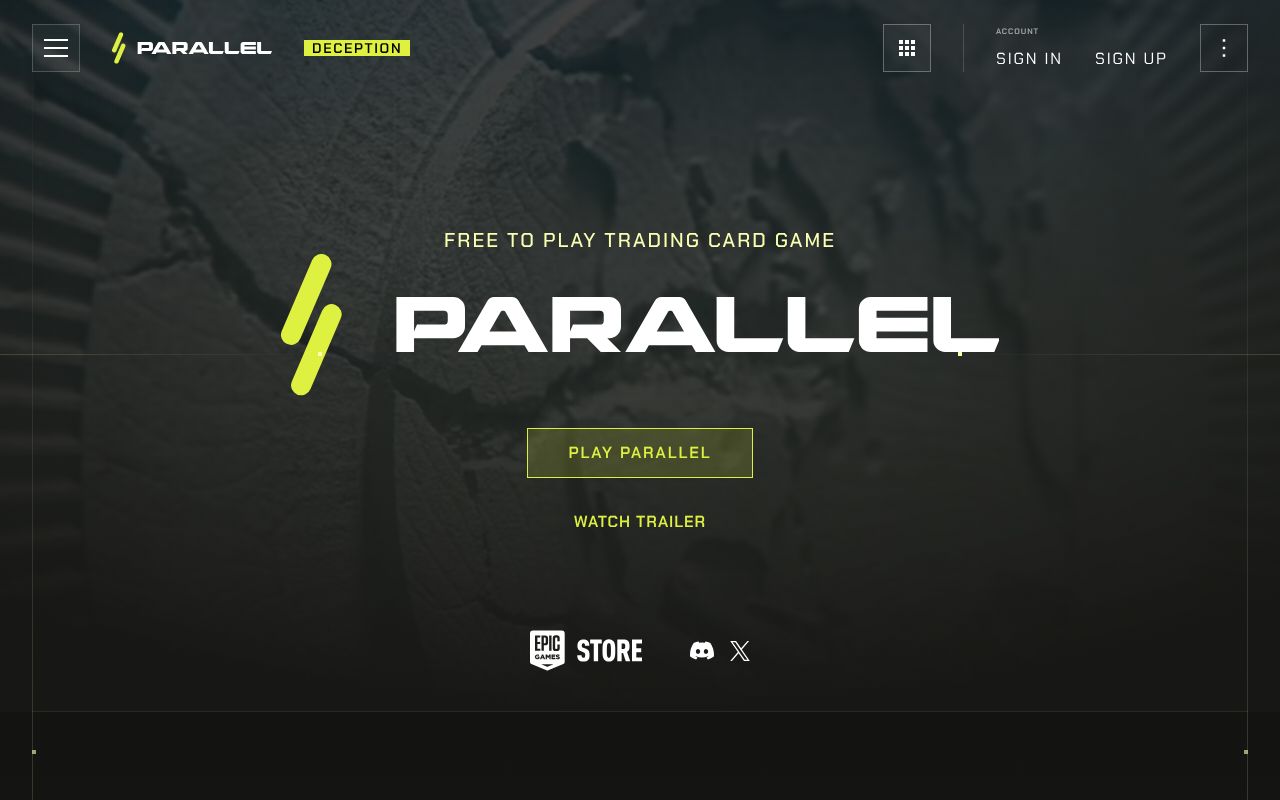
Top 5 Legend of Arcadia Alternative’s of 2026
Arcadia-Style Web3 Games Taking Off in 2026
Legend of Arcadia is exciting because it brings collectible heroes, fast battles, and upgrade-driven progression into a format that also supports crypto ownership. Players want more than just a fun loop, they want items and characters that can actually be owned, traded, and used across a wider on-chain economy. That is why this category matters: it mixes the comfort of classic RPG and auto-battler systems with Blockchain Features like token rewards, NFT-based assets, and transparent marketplaces.
Additionally, Arcadia-style games are often easier to start than complex on-chain MMOs. You can jump in, build a team, learn synergy, and still have a real stake in the assets you earn. Notably, many newer titles are moving toward truly decentralized elements, such as player-run markets, governance, and interoperable NFTs. That can reduce the “walled garden” feeling that normal mobile RPGs have.
Moreover, 2026 is a strong year for these alternatives because studios are shipping more polished gameplay loops, mobile-first onboarding, and cleaner wallet flows. Consequently, you get more options that feel like real games first, while still delivering crypto utility for players who want it. Here are the 5 best Legend of Arcadia alternative’s currently leading the industry.
Best Legend of Arcadia Alternative’s You Can Play
1. Parallel – Sci‑Fi Card Battles With Real Ownership

Parallel topping our list as a high-skill, collectible card alternative with strong production quality. This competitive PvP card game operates around faction-based decks, tight balance decisions, and a player economy tied to on-chain assets. Notably, Parallel excels in strategy depth, so your wins feel earned rather than pay-to-win.
What sets Parallel apart is its strong competitive focus paired with real asset utility. Specifically, cards and cosmetics can connect to a marketplace economy. Additionally, the game keeps matches short and readable, which is great for daily play. Moreover, its ecosystem supports collectors and grinders without forcing you into complex DeFi steps. Consequently, with clean UX and collectible-driven progression, Parallel delivers a premium web3 card battler feel.
Pros:
- Competitive gameplay with real strategy depth
- On-chain ownership supports trading and collecting
- Short match format fits mobile-style sessions
Cons:
- More PvP-focused than story-focused RPGs
- Meta shifts can require frequent deck updates
2. Skyweaver – Free-To-Play Web3 Card Game That Stays Simple

Skyweaver topping our list as one of the most accessible alternatives if you like quick battles and collecting without heavy grinding. This card game operates with a clean ruleset, fast matchmaking, and a reward flow built around tradable assets. Notably, Skyweaver excels in onboarding, so new players can actually learn the game in one sitting.
What sets Skyweaver apart is its smooth free-to-play approach with optional ownership layers. Specifically, you can play without feeling forced to spend from day one. Additionally, the economy is easier to understand than many token-heavy games. Moreover, updates keep the card pool fresh while still keeping the core loop familiar. Consequently, with low friction and real trading potential, Skyweaver delivers a beginner-friendly web3 battler.
Pros:
- Very easy to start and understand
- Tradable rewards fit collectors and traders
- Fast matches and clean interface
Cons:
- Less RPG progression than hero-collector games
- Competitive modes can feel repetitive long-term
3. Seraph – Dark Fantasy Action RPG With Loot Hunting

Seraph topping our list as a strong pick if you want more action than a pure auto-battler, while still keeping crypto ownership. This dark fantasy ARPG operates with dungeon runs, gear chasing, and upgrade loops that feel familiar to classic loot games. Notably, Seraph excels in progression, because you can feel power increases quickly through builds and drops.
What sets Seraph apart is its loot-first identity with Blockchain Features layered in. Specifically, key items and rewards can tie into a tradable economy. Additionally, the game leans into repeatable content that rewards mastery, not just time spent. Moreover, its tone and visuals give it a more mature feel than many hero-collector titles. Consequently, with rewarding grind and asset utility, Seraph delivers a strong Arcadia-style alternative for loot fans.
Pros:
- Loot hunting and builds add long-term goals
- Tradable items can support player-driven markets
- More action-focused than typical idle RPGs
Cons:
- Higher learning curve than simple auto-battlers
- Progress can depend on drop luck
4. Forgotten Runiverse – Cozy MMO Grinding With Crafts And Rare Drops
Forgotten Runiverse topping our list as a lighter, social alternative that still supports collectible progress and ownership. This pixel-style MMO operates with gathering, crafting, quests, and rare items that can matter to your account and the wider economy. Notably, Forgotten Runiverse excels in chill progression, so it’s great for players who want a calmer daily loop.
What sets Forgotten Runiverse apart is its community-friendly structure with on-chain rewards that do not dominate the gameplay. Specifically, the core loop still feels like a game first. Additionally, crafting and resource routes create real player specialization. Moreover, events and drops help the economy feel alive instead of static. Consequently, with social play and tradable value, Forgotten Runiverse delivers a cozy alternative to Arcadia-style collection games.
Pros:
- Relaxed MMO loop with crafting and gathering
- Rare drops can carry real value
- Social play fits guild and community builders
Cons:
- Less match-based combat than Arcadia
- Early progression can feel slow for action players
5. BitCraft – Player-Run World With Economy-First Progression
BitCraft topping our list as a fresh 2025–2026 era alternative for players who care about crafting, territory, and a real player economy. This community sandbox operates with professions, settlement building, and resource logistics that reward teamwork. Notably, BitCraft excels in economic gameplay, so trading and specialization become your main power path.
What sets BitCraft apart is its focus on truly decentralized, player-shaped systems. Specifically, the economy is designed to be driven by players rather than NPC shops. Additionally, crafting chains and regional resources push players to cooperate. Moreover, progression is tied to what you contribute, not just daily stamina. Consequently, with a living world and meaningful ownership hooks, BitCraft delivers a long-term alternative for Arcadia fans who want depth beyond battles.
Pros:
- Strong player economy and crafting depth
- Community progression encourages teamwork
- Long-term world-building goals
Cons:
- Less “instant action” than hero battlers
- Best experience often requires group play
The Legend of Arcadia Alternative’s Advantage
These games share the same core advantage: you can play for progression while still keeping asset ownership through Blockchain Features. Additionally, they lean into tradable items, collectible progression, and player-driven economies that feel more lasting than normal mobile RPG rewards. Consequently, this category is a strong preview of the future, where games stay fun first but still give players real control over what they earn.
Comparison Table
| Game | Best For | Gameplay Style |
|---|---|---|
| Parallel | Competitive card strategy and collecting | PvP card battler |
| Skyweaver | Easy onboarding and quick daily matches | Free-to-play card game |
| Seraph | Loot chasing and build progression | Action RPG dungeon runs |
| Forgotten Runiverse | Cozy grinding, crafting, and community play | Pixel MMO |
| BitCraft | Economy-first sandbox and teamwork progression | Sandbox MMO crafting economy |
Note: “Best For” highlights the main player goal each game serves, while “Gameplay Style” shows the core loop you will spend most of your time doing.