By Admin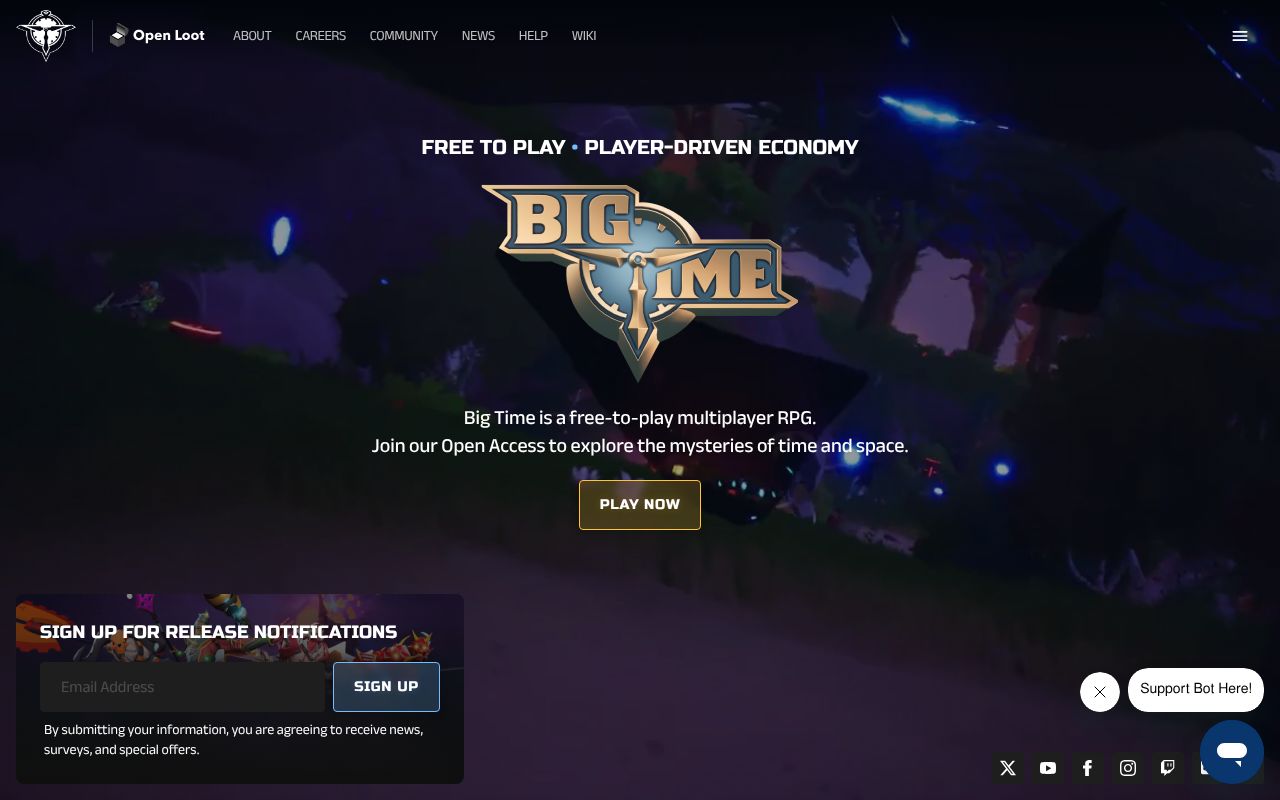
Top 5 Metropolis World alternative’s of 2026
Next-Gen Web3 City Games in 2026
Metropolis World-style games are exciting because they blend city building, social play, and crypto ownership in one place. Players are not just clicking menus, they are shaping neighborhoods, collecting land-like assets, and trading items with other users who also care about progress and value. This category matters because it gives gamers a real sense of control, where time spent can unlock tradable rewards instead of being locked inside a single publisher’s servers.
A big reason people look for Metropolis World alternatives is the demand for truly decentralized ownership. When a game uses Blockchain Features the right way, you can hold assets in your own wallet, move them between marketplaces, and verify scarcity on-chain. Additionally, many newer projects in 2025 and 2026 are focusing on smoother onboarding, so you can start playing fast without reading complex guides.
These games also push community-driven development. Notably, many teams now use seasonal content, limited drops, and player-made worlds to keep things fresh without needing AAA budgets. Consequently, you get more experimental ideas, faster updates, and unique mechanics that big studios often avoid.
If you want a similar vibe to Metropolis World but with different economies, building tools, and social systems, the options are better than ever. Here are the 5 best Metropolis World alternative’s currently leading the industry.
5 Metropolis World Alternative Picks
1. Big Time – Co-Op Adventure With Real Crafting Economy

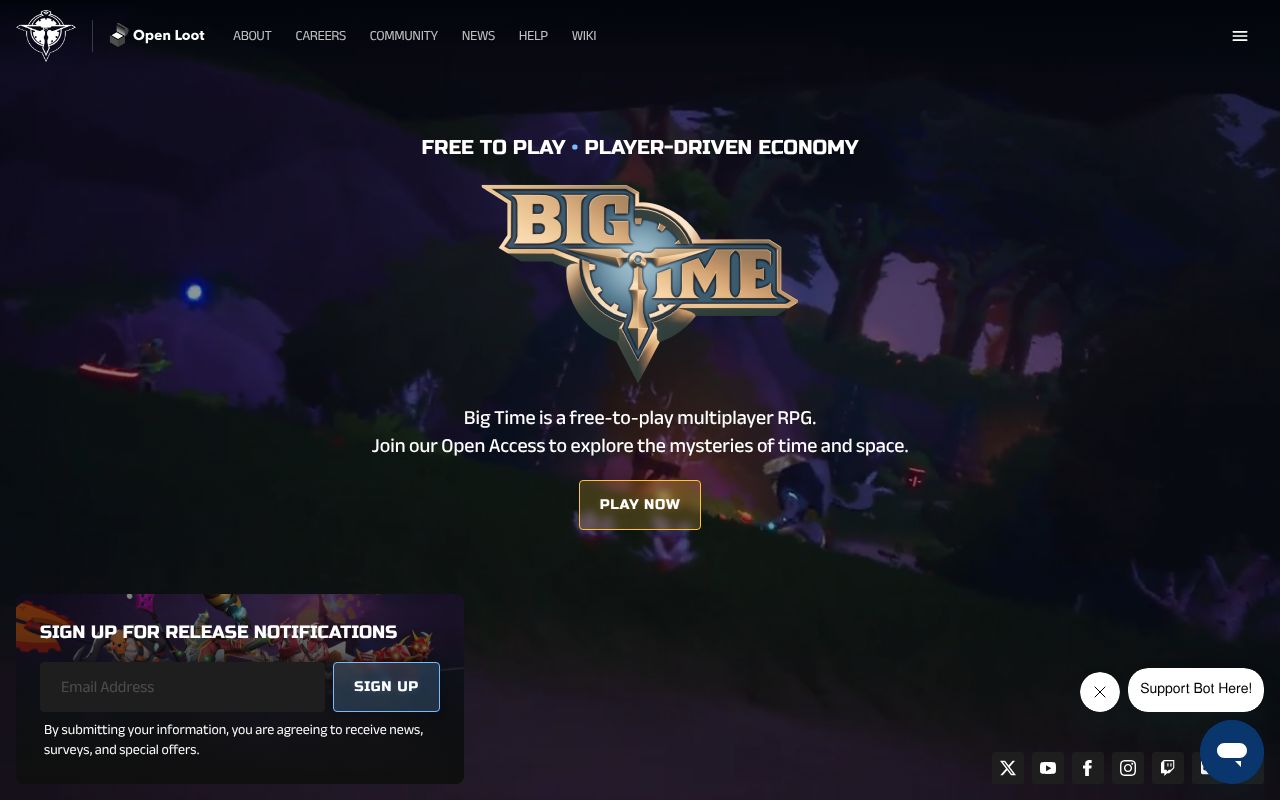
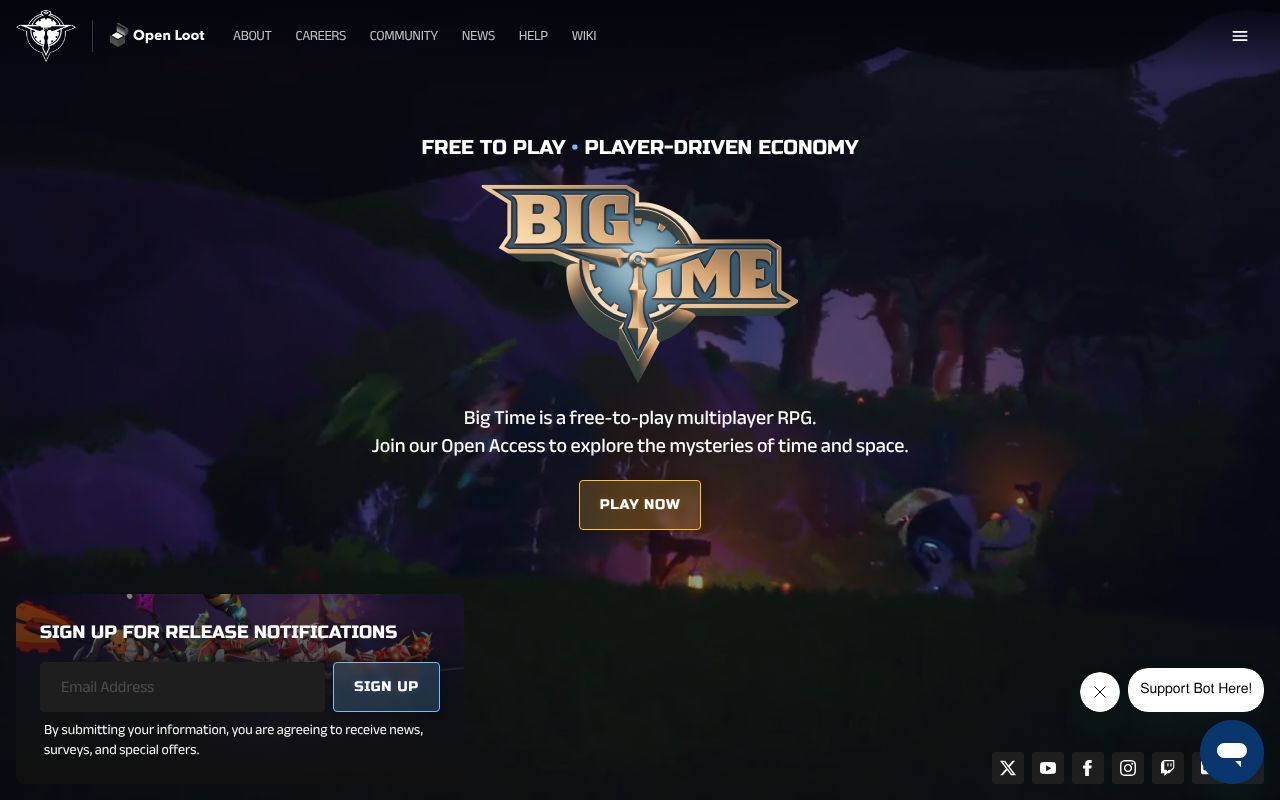
Big Time topping our list as the most polished non-AAA crypto game with a lively player economy. This action RPG operates with cosmetic and crafting-focused ownership, so value is tied to effort and rarity instead of pure pay-to-win. Notably, Big Time excels in social co-op, where squads run content together and chase drops that can be traded.
What sets Big Time apart is its workshop-style production loop. Specifically, players craft and upgrade items through owned spaces and time-based resource systems. Additionally, the marketplace flow is fast, meaning items actually circulate instead of sitting idle. Moreover, seasonal content keeps demand moving. Consequently, with tradable cosmetics and consistent updates, Big Time delivers a strong “play, earn, trade” cycle without needing complex DeFi steps.
Pros (green)
– Smooth gameplay loop with co-op focus
– Strong marketplace activity and item variety
Contra (black)
– Best rewards often require steady playtime
2. Shrapnel – Competitive Shooter With Player-Created Content

Shrapnel topping our list as the most competitive alternative for players who want skill-driven progress. This extraction shooter operates with tradable cosmetics and creator-driven systems designed to reward community-made content. Notably, Shrapnel excels in tense match design, where smart decisions matter as much as aim.
What sets Shrapnel apart is its UGC pipeline that aims to let players design and monetize experiences. Specifically, creators can build content that attracts other players, which ties attention directly to value. Additionally, item scarcity and drops are built to support long-term trading. Moreover, esports-friendly pacing makes sessions feel meaningful. Consequently, with a creator economy and tradable assets, Shrapnel delivers a modern Web3 loop that feels closer to mainstream shooters.
Pros (green)
– Skill-based gameplay with real stakes
– Strong creator economy direction
Contra (black)
– Competitive games can be rough for casual players
3. Synergy Land – ARPG Worlds With On-Chain Loot Goals
Synergy Land topping our list as a clean Metropolis World alternative for players who enjoy progression and loot. This ARPG operates with blockchain-backed items and RPG-style grinding, so your time can convert into tradable outcomes. Notably, Synergy Land excels in straightforward combat and character growth, making it easy for dummies to follow.
What sets Synergy Land apart is its clear focus on collectible gear and build variety. Specifically, you farm bosses, upgrade characters, and chase drops that can be owned and traded. Additionally, the vibe is more “fantasy adventure” than “city sim,” which helps it stand out while still delivering ownership. Moreover, the game structure supports long-term goals without complicated menus. Consequently, with simple progression and tradable loot, Synergy Land delivers a strong alternative for Web3 RPG fans.
Pros (green)
– Easy-to-understand RPG progression
– Ownership tied to loot and upgrades
Contra (black)
– Less social city-building compared to Metropolis-style games
4. Illuvium – Collection, Exploration, and Strategy With Ownership
Illuvium topping our list as the best choice for players who like collecting and strategy more than pure action. This universe operates with owned creatures and assets that can be traded, which supports a long-term player economy. Notably, Illuvium excels in combining exploration with team-based battles, giving you multiple ways to play depending on mood.
What sets Illuvium apart is the layered gameplay across different modes. Specifically, you can explore, capture, and optimize teams for battles that reward smart planning. Additionally, the visual style is high quality for a non-AAA crypto project. Moreover, the economy design focuses on rarity and collection value rather than endless inflation. Consequently, with collectible ownership and varied gameplay loops, Illuvium delivers a premium-feeling alternative to Metropolis World.
Pros (green)
– Strong collection and strategy depth
– Multiple modes keep it fresh
Contra (black)
– Can feel complex if you only want quick casual sessions
5. Pixels – Social Farming MMO With Trades and Quests
Pixels topping our list as the most community-friendly pick for casual players. This farming MMO operates with questing, crafting, and tradable items, which creates a simple economy that feels alive. Notably, Pixels excels in social loops, where your neighbors and friends actually matter because trading and cooperation are part of daily play.
What sets Pixels apart is its easy onboarding and constant small rewards. Specifically, you can farm, craft, complete quests, and slowly build a stronger setup without needing big spending. Additionally, the game keeps a cozy pace that attracts long-term communities. Moreover, limited items and event rewards can add extra trading value. Consequently, with relaxed gameplay and real market activity, Pixels delivers a lightweight but sticky Metropolis World alternative.
Pros (green)
– Very easy to start and understand
– Strong social and trading focus
Contra (black)
– Farming grind may feel slow for action-focused players
The Metropolis World Alternative Advantage
These Metropolis World alternatives share real ownership, active economies, and community-driven updates that keep gameplay moving. Additionally, they bring Blockchain Features that allow tradable items, verifiable scarcity, and player control instead of locked accounts. Consequently, this category feels like the future because it blends fun gameplay with truly decentralized digital property that can outlive one single server or publisher.
Comparison Table
| Game | Best For | Player Economy Focus |
|---|---|---|
| Big Time | Co-op action + crafting | Cosmetics, crafting outputs, marketplaces |
| Shrapnel | Competitive shooter fans | UGC items, drops, tradable cosmetics |
| Synergy Land | ARPG progression and loot | Loot drops, upgrades, tradable gear |
| Illuvium | Collectors and strategists | Collectible assets, rarity-based trading |
| Pixels | Casual social MMO players | Crafting, quests, event items, trading |
Note: “Player Economy Focus” compares what actually drives trading value in each game, like crafting outputs, drops, collectibles, and community-created items.