By Admin
Top 5 Best Mirandus Alternative’s of 2026
RPG Chains Players Actually Use in 2026
Mirandus is very exciting and has players watching closely because it mixes fantasy MMO vibes with player ownership and a token-driven economy. Still, many gamers want options that are easier to access, more active right now, or simply built around different styles of progression. That is why Mirandus alternative’s matter in 2026: they give you more ways to earn, trade, craft, and explore without being locked into one ecosystem.
A strong Mirandus-like game is not only about combat or pretty art. It needs blockchain features that make ownership real, like tradable items, crafting materials with value, and a market that does not feel fake. Additionally, players care about fairness, clear token utility, and gameplay loops that do not require huge spending upfront. Notably, more projects are moving toward truly decentralized economies where player-to-player trading, guild coordination, and on-chain assets are a core part of the design.
In 2026, smaller and mid-sized titles are doing this well. They often launch faster, update more often, and build tighter communities than big studio releases. Moreover, many of these games focus on specific loops like dungeon runs, crafting, land building, or collectible-driven progression, which makes it easier for new players to understand.
If you like the idea behind Mirandus but want new worlds that are playable, community-focused, and built for ownership, the options below are worth your time. Here are the 5 best Mirandus alternative’s currently leading the industry.
Top Mirandus Alternative’s to Play in 2026
1. Big Time – Time-Travel Action With Real Loot

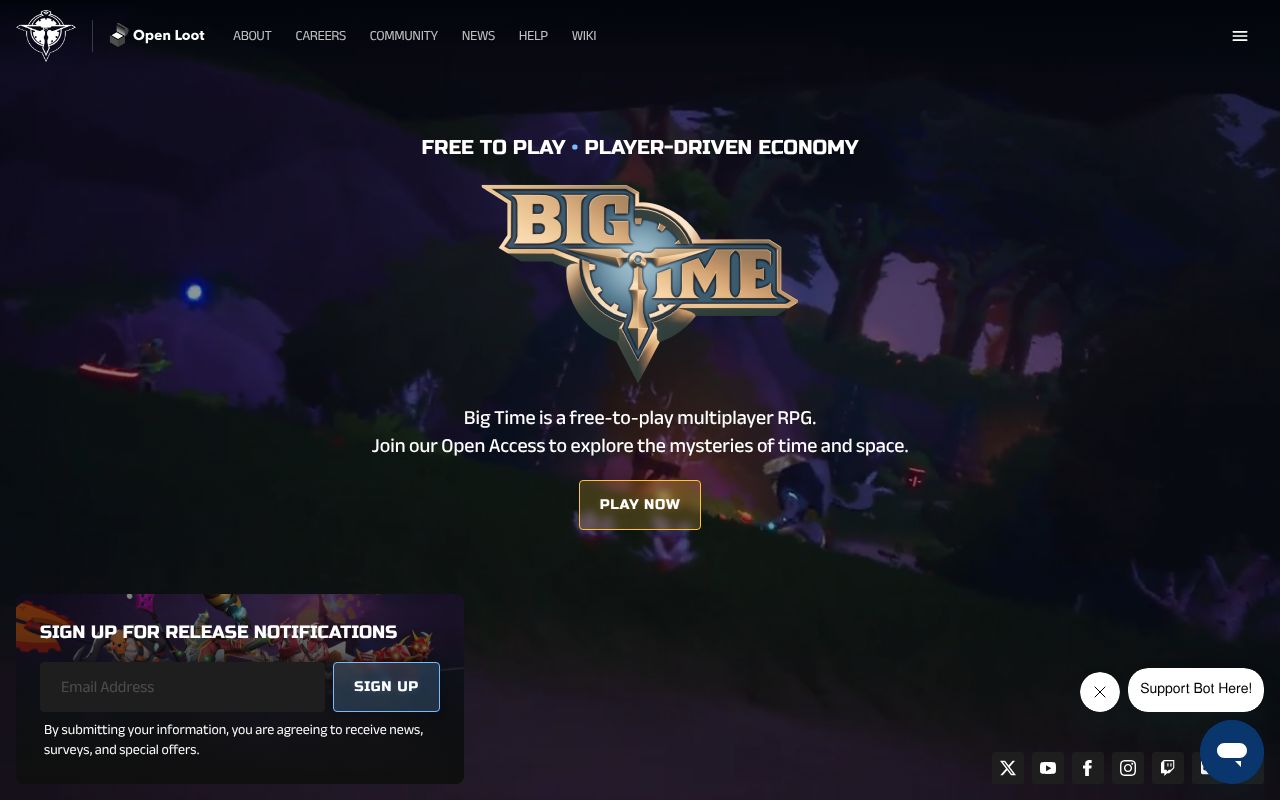
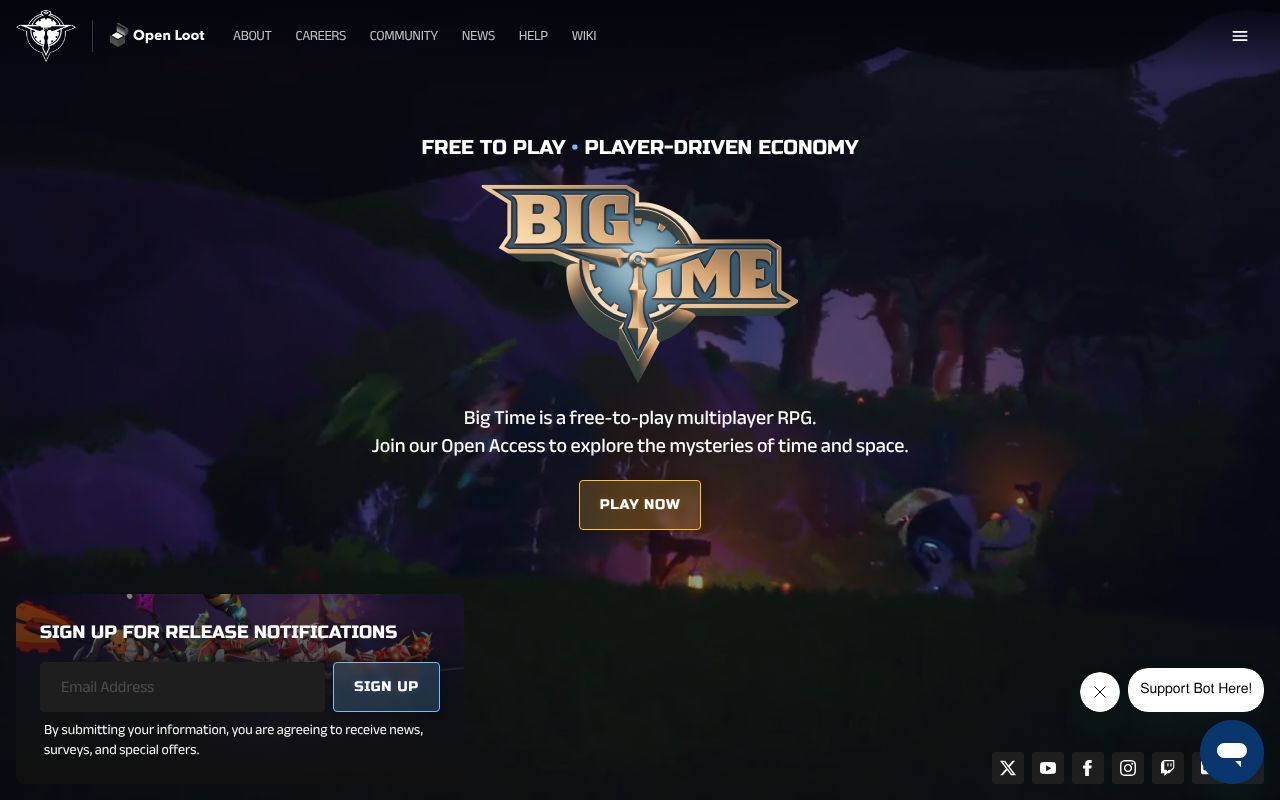
Big Time topping our list as one of the most approachable Mirandus-style experiences because it blends fast action with a strong item economy. This RPG operates with collectible cosmetics and tradable crafting components that can matter long-term. Notably, it excels in quick sessions, meaning you can run content without needing slow MMO-style grinding for hours.
What sets Big Time apart is its time-travel theme combined with player-owned drops and crafting loops. Specifically, you can chase gear and collectibles while still focusing on fun combat. Additionally, its marketplace-driven approach makes ownership feel practical instead of confusing. Moreover, social play and group runs keep the game from feeling like a single-player grind. Consequently, with active updates and a clear loot chase, Big Time delivers a strong alternative for players who want hype plus usability.
Pros:
– Fast, accessible action-RPG gameplay
– Strong tradable item economy
– Easy to jump in for short sessions
Cons:
– Economy can feel competitive for rare drops
– Cosmetic focus may not fit every player
2. SERAPH: In the Darkness – Dark Dungeon Loot With On-Chain Value

SERAPH topping our list as a gritty alternative for players who want danger, loot, and progression in a darker world. This dungeon-focused RPG operates around action combat, gear upgrades, and a trading layer that supports player ownership. Notably, SERAPH excels in its repeatable runs and build variety, so you can keep improving without feeling stuck.
What sets SERAPH apart is its clear loop: enter, fight, extract value, and optimize your character. Specifically, gear and resources can be connected to blockchain features that support trading and collection. Additionally, the darker art style and intense pacing give it a different vibe than classic fantasy MMOs. Moreover, the game is designed around progression, not just speculation. Consequently, with consistent loot goals and a tight core loop, SERAPH delivers a Mirandus-like economy with more direct action.
Pros:
– Strong dungeon loop with meaningful progression
– Trading and ownership are built into the experience
– Dark theme and combat feel focused
Cons:
– Not as “open-world MMO” as Mirandus
– Learning builds and loot tiers can take time
3. Parallel – Sci-Fi Strategy With Collectible Power

Parallel topping our list as a Mirandus alternative for players who love economies but prefer tactics over open-world exploration. This strategy card game operates around collectible assets, deck building, and competitive play where knowledge matters. Notably, Parallel excels in clarity: you always know what you are building toward, which helps new players avoid the “MMO confusion” problem.
What sets Parallel apart is its polished competitive structure paired with ownership. Specifically, cards and collectibles can be tradable, which makes collecting feel like building a real inventory. Additionally, the sci-fi factions give players clear identity and playstyle choices. Moreover, the economy is tied to gameplay decisions, not idle clicking. Consequently, with strong strategy depth and a clean user experience, Parallel delivers a smart alternative for players who want blockchain features without MMO time demands.
Pros:
– Easy to understand progression and goals
– Collectible ownership fits the genre perfectly
– Strong competitive replay value
Cons:
– Not an RPG world explorer experience
– Competitive metas can shift quickly
4. Sunflower Land – Cozy Crafting Economy That Actually Works
Sunflower Land topping our list as a relaxed Mirandus alternative that still nails the part many players really want: a working player economy. This farming and crafting game operates with resource management, upgrades, and community-driven trading. Notably, it excels in simplicity, so even total beginners can understand value, crafting paths, and item demand.
What sets Sunflower Land apart is its low-pressure loop where you can build steadily while still engaging with a market. Specifically, crafting chains and timed production make planning matter. Additionally, the community aspect is strong, so trading and collaboration feel natural. Moreover, it is easy to play in small daily sessions without losing progress. Consequently, with a clear economy and easy onboarding, Sunflower Land delivers a truly decentralized feeling for players who want ownership without hardcore combat.
Pros:
– Very beginner-friendly and low stress
– Crafting and trading loop is simple and addictive
– Works well in short sessions
Cons:
– Not for players who want intense combat
– Progress can feel slow if you rush goals
5. Crabada – Team Battles With Resource Strategy
Crabada topping our list as a quirky alternative for players who like strategy, teams, and resource-focused gameplay. This game operates around building squads, sending them into battles or missions, and optimizing results over time. Notably, it excels in planning and optimization, which scratches a similar itch to MMO crafting and economy management.
What sets Crabada apart is its mix of collectible characters and mission-based strategy. Specifically, team composition and upgrades matter, which creates real decisions beyond clicking “play.” Additionally, the art style is light, making it easier to enjoy even if you are not into dark fantasy worlds. Moreover, its economy loop leans into resources, crafting, and planning. Consequently, with squad depth and a tradable asset layer, Crabada delivers a different but still ownership-driven alternative to Mirandus.
Pros:
– Strategy-based progression with team building
– Collectible-driven economy and upgrades
– Good for players who like planning
Cons:
– Not an immersive open world RPG
– Can feel number-heavy for casual players
The Mirandus Alternative’s Advantage
These Mirandus alternative’s share the same core benefits: real ownership, player-driven markets, and gameplay loops where effort can turn into value. Additionally, they show how blockchain features can fit different genres, from action loot runs to cozy crafting economies. Therefore, this category represents the future because it rewards participation, supports trading, and moves gaming closer to truly decentralized player economies.
Comparison Table
| Game | Best For | Core Value Hook |
|---|---|---|
| Big Time | Action-RPG players | Loot chase + tradable items |
| SERAPH: In the Darkness | Dungeon grinders | Run-based progression + gear economy |
| Parallel | Competitive strategists | Collectible decks + skill-driven play |
| Sunflower Land | Casual economy builders | Crafting chains + simple trading |
| Crabada | Team and resource planners | Squad strategy + collectible progression |
Note: “Best For” is based on the main gameplay style, while “Core Value Hook” summarizes how each game combines progression with ownership and trading features.