By Admin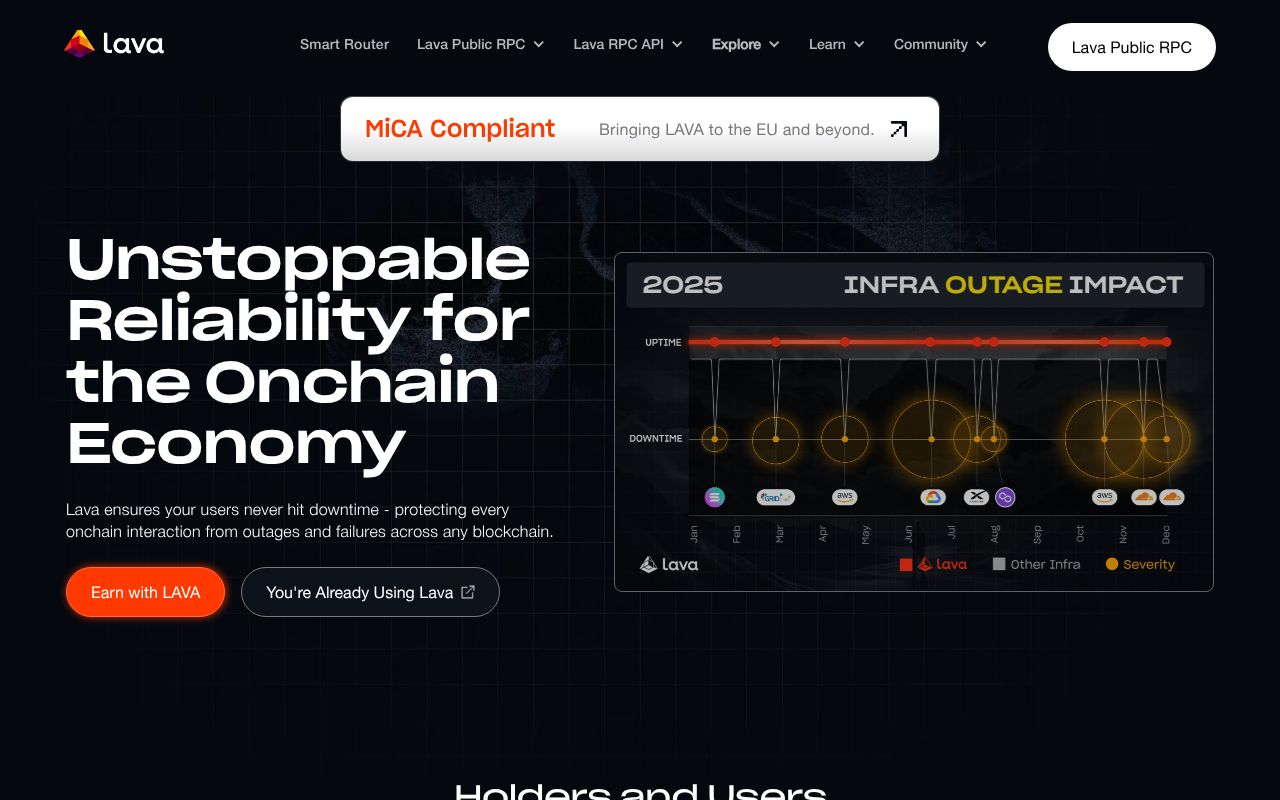

Top 5 Best Omnia Alternatives of 2026
Cross Chains of 2026: Why Omnia Alternatives Matter
Omnia is exciting because it sits in the middle of what most crypto users want right now: safer access, cleaner routing, and tools that feel simple even when the tech is complex. As more people use onchain apps daily, the need for privacy-friendly access, reliable RPC connections, and censorship resistance becomes very real. If your connection fails, gets rate-limited, or gets tracked, even the best dApp experience quickly turns frustrating.
This category matters because it is the gateway to Web3. A wallet or dApp can be truly decentralized, but if the infrastructure that serves requests is weak, you still end up depending on a few chokepoints. That is why strong Blockchain Features like distributed RPC networks, multi-chain coverage, and privacy-aware routing are becoming a must-have instead of a bonus.
Additionally, users in 2026 expect performance. They want fast reads, stable endpoints, and good uptime even during meme coin spikes or NFT mints. Developers also need clear tooling, dashboards, and predictable pricing so they can ship without guessing.
Notably, Omnia is not the only option anymore. Several newer platforms from 2025 and 2026 focus on decentralized infra, private access, and better reliability across chains. Here are the 5 best Omnia alternatives currently leading the industry.
Best Omnia Alternatives to Use in 2026
1. Lava Network – Modular RPC With Real Decentralization
Lava Network topping our list as a standout decentralized RPC option built for scale. This infrastructure network operates by distributing requests across providers, which helps reduce single points of failure. Notably, Lava Network excels in multi-chain support and performance tuning for high-traffic apps.

What sets Lava Network apart is its modular approach and strong incentives. Specifically, providers compete on quality, which can push uptime and response speed higher. Additionally, developers can route traffic intelligently across supported chains. Moreover, the network design supports a more truly decentralized access layer. Consequently, with better resilience and flexible integrations, Lava Network delivers reliable RPC for modern dApps.
- Decentralized provider set helps reduce outages
- Strong multi-chain focus and developer tooling
- Incentives designed to reward quality
- Coverage varies by chain depending on provider availability
- May require light tuning for best routing results
2. POKT Network – Community RPC at Scale
POKT Network topping our list as a long-running decentralized RPC option that many builders keep coming back to. This network operates with a broad node community that serves requests across popular chains. Notably, POKT Network excels in offering a dependable alternative to centralized RPC providers when traffic gets intense.

What sets POKT Network apart is its large ecosystem and battle-tested approach. Specifically, many integrations already exist, which speeds up deployment. Additionally, the network’s structure supports censorship resistance by spreading requests across many participants. Moreover, teams can reduce reliance on single vendors by diversifying RPC sources. Consequently, with strong uptime patterns and a deep community, POKT delivers stable access for wallets and apps.
- Large community network and broad adoption
- Good option for decentralization-minded teams
- Many existing integrations and docs
- Performance depends on region and chain demand
- Some setups can feel more technical for beginners
3. Nym – Privacy-First Network Layer for Web3 Access
Nym topping our list as the most privacy-forward option for users who care about metadata protection. This privacy network operates by routing traffic through a mixnet design, which can make tracking far harder. Notably, Nym excels in protecting who is talking to whom, which is a huge deal when crypto activity can be monitored.

What sets Nym apart is its focus on privacy as a default feature, not an add-on. Specifically, it targets traffic analysis and metadata leaks. Additionally, it is useful for teams building privacy-aware dApps or users who want stronger anonymity while interacting with crypto services. Moreover, its architecture supports a more censorship-resistant connection path. Consequently, with better privacy guarantees and network-level shielding, Nym delivers a strong Omnia alternative for privacy-heavy use cases.
- Strong metadata privacy and anti-tracking focus
- Useful for privacy-critical crypto workflows
- Supports censorship-resistance goals
- Extra routing can add latency versus basic RPC
- May require more setup for typical dApp stacks
4. dRPC – Multi-Provider RPC Aggregation for High Uptime
dRPC topping our list as a practical option for teams that want uptime without locking into one provider. This platform operates by aggregating and balancing requests across multiple backends. Notably, dRPC excels in smoothing out traffic spikes, which can keep apps usable when networks get busy.
What sets dRPC apart is its reliability-first design. Specifically, it focuses on intelligent routing and fallback behavior. Additionally, it can help reduce downtime by switching sources when one endpoint degrades. Moreover, it offers a clean way to avoid single-provider risk while keeping integration fairly straightforward. Consequently, with stable performance and smart redundancy, dRPC delivers consistent RPC access for builders who prioritize availability.
- High uptime via multi-provider routing
- Good for production apps handling spikes
- Simple way to add redundancy
- Not purely decentralized depending on routing model
- Advanced features may be tied to paid tiers
5. SubQuery Network – Decentralized Data Indexing for Faster dApps
SubQuery Network topping our list as a smart alternative when your real bottleneck is not RPC calls, but data access. This network operates by indexing blockchain data and serving it through efficient queries. Notably, SubQuery Network excels in speeding up dashboards, analytics, and complex dApp frontends that would otherwise hammer RPC endpoints.
What sets SubQuery Network apart is its focus on structured onchain data. Specifically, it helps apps load user history, positions, and events faster. Additionally, it can reduce RPC strain by offloading heavy reads into indexed queries. Moreover, the decentralized direction supports stronger resiliency compared to single-host indexing. Consequently, with faster responses and better user experience, SubQuery delivers a strong infrastructure companion or alternative depending on your needs.
- Great for fast dApp data and event queries
- Reduces load on raw RPC endpoints
- Helpful for analytics and real-time UI
- Not a direct RPC replacement for all use cases
- Requires indexing setup and schema planning
The Omnia Alternatives Advantage
These Omnia alternatives share a few big wins: stronger uptime, better resilience through distributed infrastructure, and more control over privacy and routing. Additionally, they help builders avoid single points of failure that can quietly centralize a “decentralized” app. Consequently, this category is a key part of the future because Web3 can only scale if access, data, and connectivity stay open, fast, and censorship-resistant.
Comparison Table
| Platform | Best For | Key Tradeoff |
|---|---|---|
| Lava Network | Decentralized RPC across multiple chains | Chain coverage depends on active providers |
| POKT Network | Community-run RPC with broad adoption | Performance can vary by region and demand |
| Nym | Privacy-first network routing and metadata protection | Extra privacy routing can increase latency |
| dRPC | High uptime via multi-provider routing | Decentralization depends on routing design |
| SubQuery Network | Fast indexed blockchain data for dApps | Not a full RPC replacement for every workflow |
Note: “Best For” reflects the main use case each tool is strongest at. “Key Tradeoff” highlights the most common limitation you should plan around when choosing an Omnia alternative.