By Admin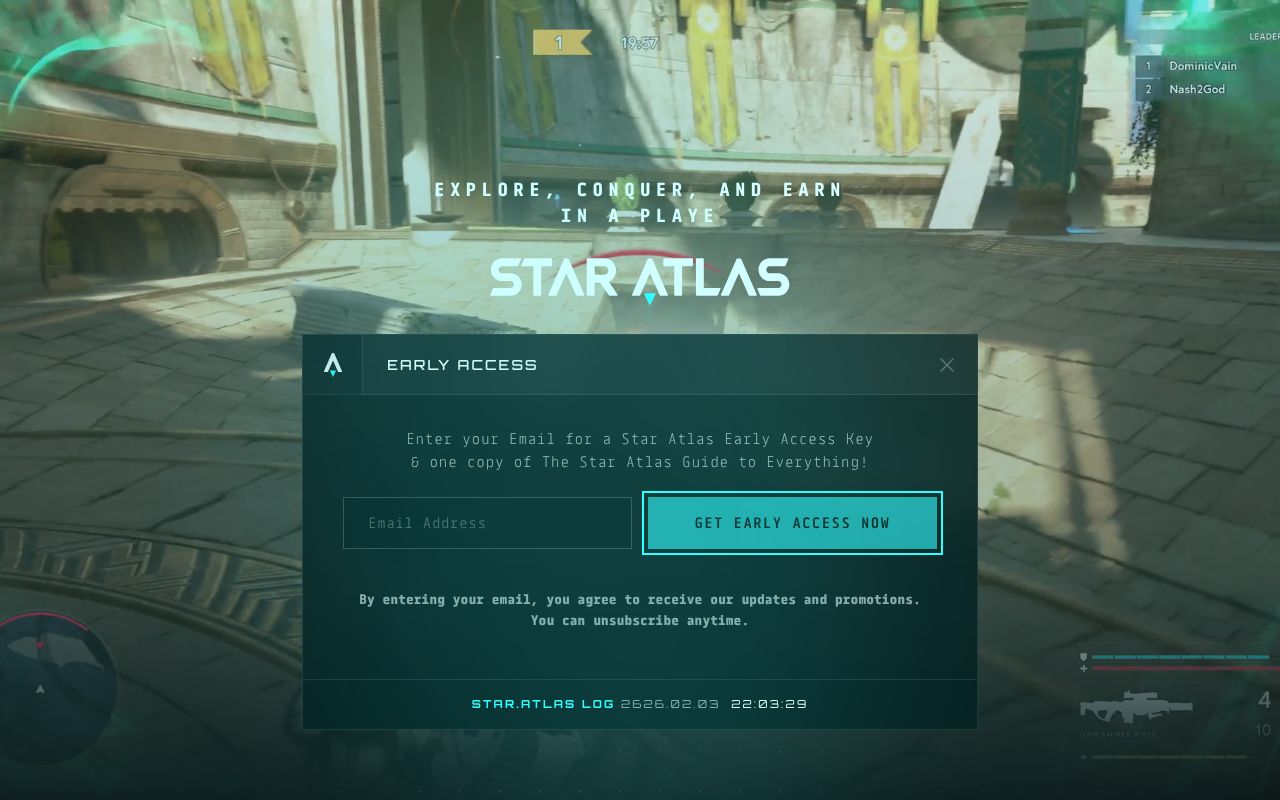
Top 5 Best EVE Frontier Alternatives of 2026
Chain-Powered Space Games to Watch in 2026
EVE Frontier is very exciting because it aims to bring the EVE-style sandbox into a harsher, player-driven survival setting where industry, conflict, and coordination actually matter. If you like the idea of building up from nothing, forming alliances, and fighting over resources, this category is one of the most satisfying ways to play. Additionally, these games often reward smart planning more than raw reflexes, which makes them great for long-term players.
What makes EVE Frontier alternatives important is the new wave of truly decentralized ownership and Blockchain Features that change how progression works. Instead of everything being locked inside one publisher-controlled database, items, credits, or crafting components can be player-held, traded, or verified on-chain. Notably, that can make economies feel more “real,” because scarcity, supply chains, and player markets can actually grow over time.
However, not every blockchain game is worth your time. Many are loud, shallow, or designed only around hype. Therefore, the best picks are the ones that feel like real games first, with web3 features that support crafting, trading, and faction wars rather than replacing gameplay.
Below are smaller or newer web3 titles from 2025 and 2026 that better match the EVE Frontier mindset: persistent progression, meaningful risk, and player-run economies. Here are the 5 best EVE Frontier alternatives currently leading the industry.
Best EVE Frontier Alternatives of 2026
1. Star Atlas – High-Stakes Space Economy Play

Star Atlas topping our list as the most economy-forward space MMO alternative for players who want long-term goals. This ambitious web3 game operates around ship ownership, exploration ambition, and a market-driven loop where player decisions can shape the wider war effort. Notably, Star Atlas excels in giving “EVE-like” planners a reason to care about logistics and asset allocation.
What sets Star Atlas apart is its strong focus on a player-run universe vibe. Specifically, collecting and deploying ships can feel like building a portfolio of tools, not just cosmetics. Additionally, the project leans into trading and faction identity, which helps guilds coordinate purposefully. Moreover, the broader community tends to treat strategy and coordination seriously. Consequently, with high risk and high reward loops, Star Atlas delivers a compelling alternative for EVE Frontier fans who want scale.
Pros: Strong space theme, economy-first design, long-term progression
Cons: Big scope can feel complex, onboarding may take time
2. Influence – On-Chain Industrial Strategy

Influence topping our list as the most “industry brain” alternative for players who love production chains. This strategy-heavy web3 game operates on building, extracting, and optimizing resources in a persistent world where planning beats button-mashing. Notably, Influence excels in creating value through time, not just combat.
What sets Influence apart is its deep commitment to on-chain systems that support real player markets. Specifically, assets and infrastructure are designed to encourage trade between specialists. Additionally, the game rewards coordination, because no single player can efficiently do everything alone. Moreover, the pacing suits people who like careful decisions and steady growth. Consequently, with meaningful resource scarcity and specialization, Influence delivers a great EVE Frontier-style loop without needing constant PvP.
Pros: Deep industry gameplay, specialization matters, strong market potential
Cons: Slower pace, less action-focused than some space titles
3. MetalCore – Faction Warfare With Real Gear Value

MetalCore topping our list as the best combat-leaning alternative if you want territory pressure and asset stakes. This action-forward web3 game operates with faction conflict, vehicle-based fights, and progression loops that can give your gear real weight. Notably, MetalCore excels in mixing accessible shooting with longer-term objectives and ownership systems.
What sets MetalCore apart is its focus on gear, vehicles, and faction identity working together. Specifically, it pushes players toward team play and coordinated pushes instead of isolated matches. Additionally, it’s easier to pick up than many complex space sims, which helps new players. Moreover, web3 ownership can support trading and collection without making the game feel like a spreadsheet. Consequently, with clear conflict goals and meaningful unlocks, MetalCore delivers a strong alternative for EVE Frontier fans who want more direct combat.
Pros: Faction-driven PvP, easier onboarding, satisfying progression
Cons: Less “space sim,” more battlefield action
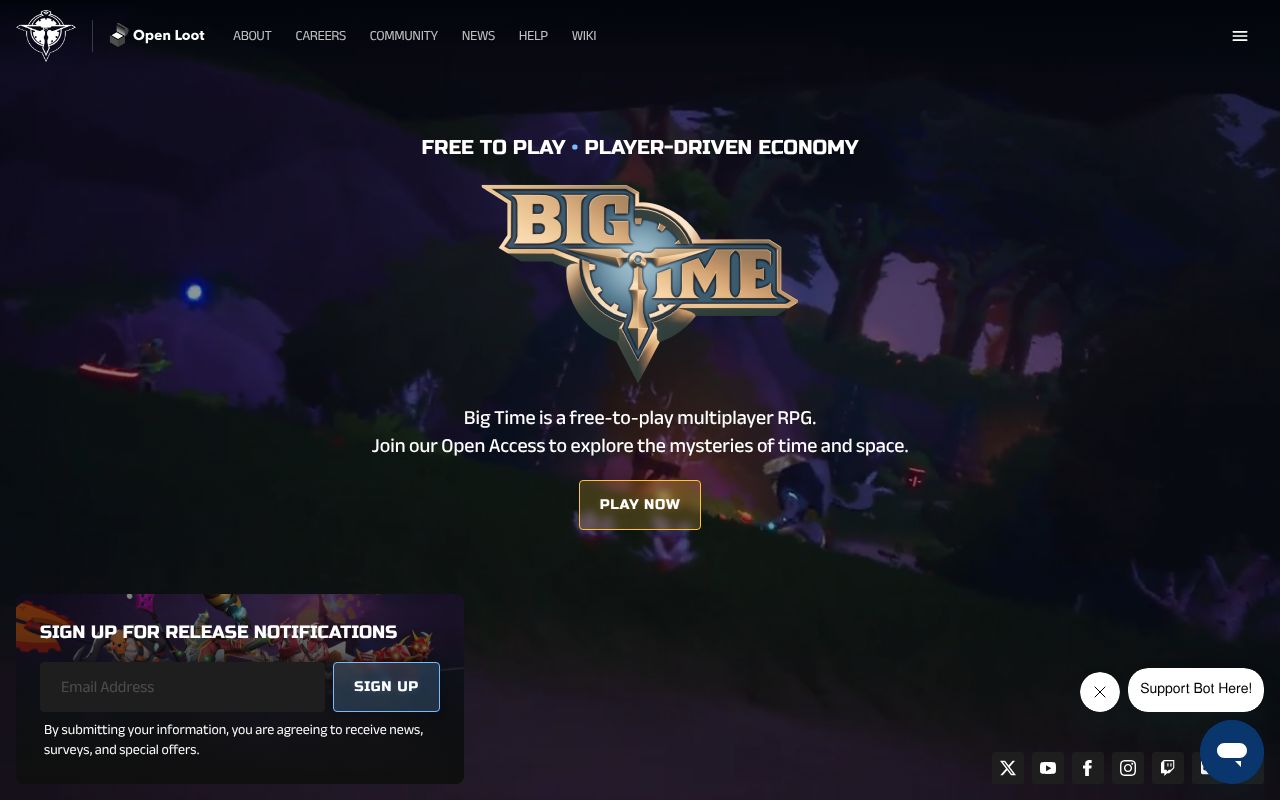
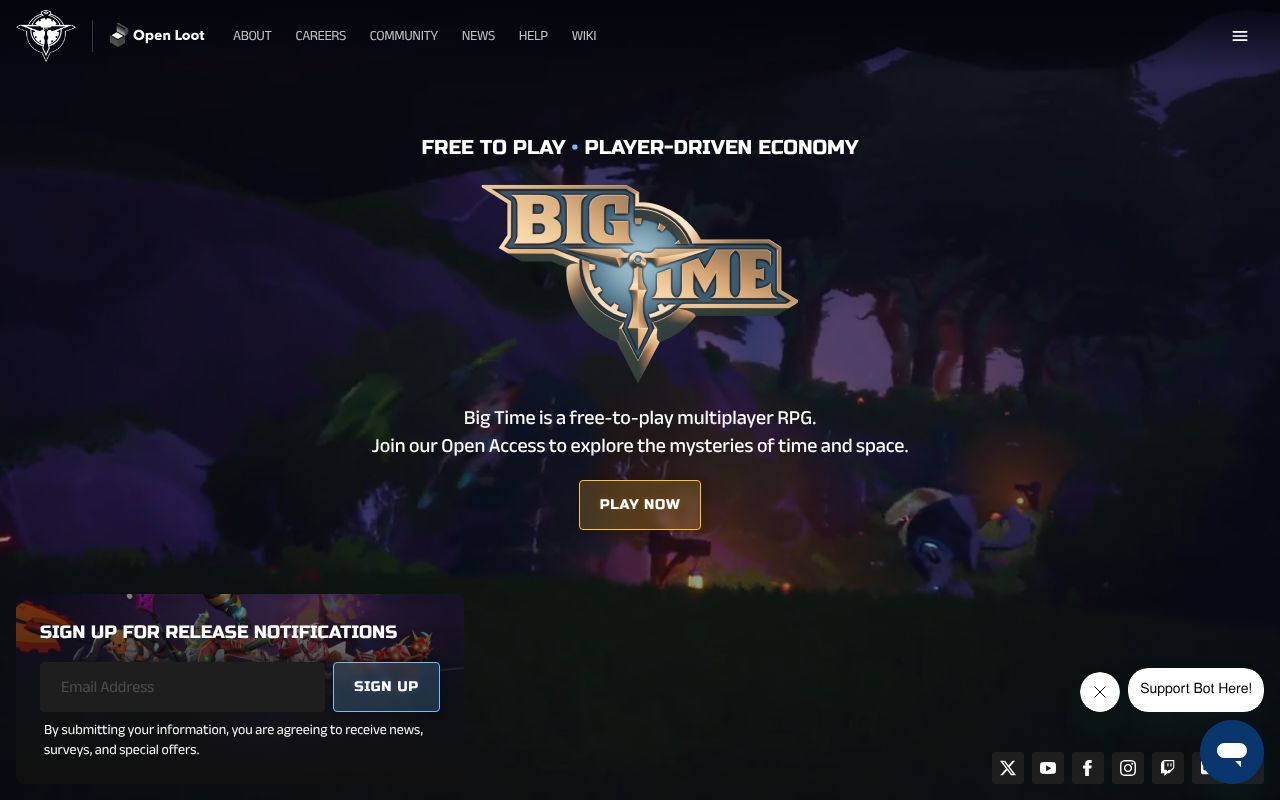
4. Big Time – Loot Economy Meets Guild Play
Big Time topping our list as the most approachable alternative for players who still want a player-driven item economy. This loot-focused web3 game operates with fast gameplay, collectible crafting paths, and tradeable items that can give grinding a real payoff. Notably, Big Time excels in making the economy feel fun rather than intimidating.
What sets Big Time apart is its blend of action and ownership without forcing you to “study crypto.” Specifically, you can play normally and still benefit from item value if you engage with crafting or trading. Additionally, group play and guild coordination can boost efficiency, which fits the EVE Frontier mindset of teamwork. Moreover, the game’s pace stays engaging for shorter sessions. Consequently, with a strong loot loop and a market layer, Big Time delivers a solid alternative for players who want value-driven progression.
Pros: Easy to start, strong loot loop, trading adds purpose
Cons: Not a space setting, less sandbox than EVE-style games
5. Parallel – Competitive Strategy With Real Asset Ownership
Parallel topping our list as the best strategy alternative if you love meta, planning, and collecting power over time. This competitive web3 game operates around tactical card battles where smart deck-building and forecasting opponents can outperform pure grinding. Notably, Parallel excels in turning ownership into a long-term advantage without breaking competitive integrity.
What sets Parallel apart is its polished competitive structure combined with asset-backed collecting. Specifically, card ownership and upgrades can be meaningful while still keeping matches skill-based. Additionally, you can focus on climbing ranks, trading, or refining your build depending on your goals. Moreover, the pacing fits players who want strategy without the time demands of massive MMOs. Consequently, with strong competition and persistent progression, Parallel delivers a great EVE Frontier alternative for players who prefer brains over piloting.
Pros: Skill-focused strategy, strong collection value, quick sessions
Cons: Not an MMO, no open-world sandbox exploration
The EVE Frontier Alternative Advantage
These web3 games share real player-driven progression, tradeable asset systems, and communities that value coordination. Additionally, Blockchain Features can make crafting, trading, and long-term investment in your account feel more permanent. Consequently, this category is a strong preview of the future, where game economies are shaped by players who actually own what they earn.
Comparison Table
| Game | Best For | Web3 Strength |
|---|---|---|
| Star Atlas | Space MMO feel, economy and factions | Ship/asset ownership, market-driven progression |
| Influence | Industry, resource chains, long-term planning | On-chain infrastructure and player trade loops |
| MetalCore | Faction warfare and action combat | Tradeable gear/vehicles supporting progression |
| Big Time | Loot grinding with a real economy layer | Crafting and item value through player markets |
| Parallel | Competitive strategy and collecting | Owned cards, build optimization, trading potential |
Note: “Best For” reflects the main gameplay fit for EVE Frontier fans, while “Web3 Strength” highlights where ownership, trading, or on-chain systems most affect progression.