By Admin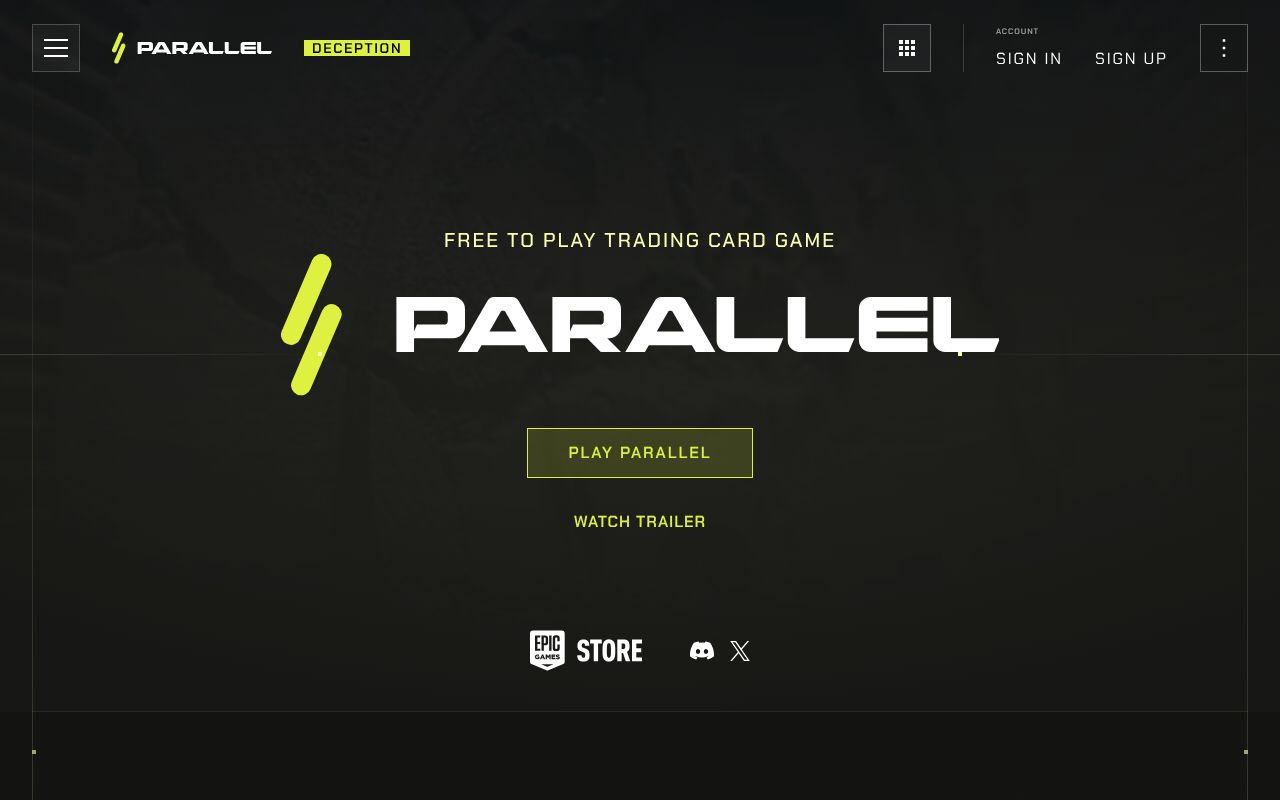
Top 5 Gods Unchained alternative’s of 2026
Web3 Card Battles Taking Over in 2026
The Gods Unchained style of gameplay is very exciting and has players collecting cards, building decks, and battling other people for real rewards. This category matters because it mixes skill-based strategy with digital ownership, so the time you spend learning the game can also build value in your inventory. Additionally, modern Web3 card games are pushing cleaner onboarding, smoother mobile play, and better ways to trade cards without messy middlemen.
What makes these games stand out is their Blockchain Features. Instead of “renting” your collection from a publisher, you can often own cards as NFTs, trade them freely, and even use open marketplaces. Notably, many of the newer titles focus on fair matchmaking, lower pay-to-win pressure, and seasonal challenge systems that reward consistent play rather than pure spending. Consequently, it becomes easier for new players to compete while still giving collectors something meaningful to chase.
Another big reason this category is growing is because players want truly decentralized ownership. Specifically, people want transparent supply for rare cards, provable scarcity, and the ability to move assets outside a single game client. Moreover, developers can update card sets more reliably with on-chain tracking, which helps keep metas fresh and prevents shady changes behind closed doors. Therefore, if you like Gods Unchained but want newer or lesser-known options from 2025 and 2026, these picks are worth your time.
Here are the 5 best Gods Unchained alternative’s currently leading the industry.
Newer Gods Unchained-Style Game Picks
1. Parallel – Sci‑Fi Deckbuilding With Pro-Level Depth

Parallel topping our list as the most competitive-feeling alternative for serious card battlers. This sci‑fi themed Web3 game operates with faction-based deckbuilding, tight resource rules, and clean match pacing. Notably, Parallel excels in strategic depth because game decisions matter every turn, not just during deck selection.
What sets Parallel apart is its esports-ready structure and strong card identity. Specifically, each faction plays differently, so you can master a style instead of chasing one “best deck.” Additionally, the presentation is polished, which makes long sessions easier on the eyes. Moreover, the economy is built around collectible ownership without forcing you to constantly grind. Consequently, with high-skill gameplay and real collection value, Parallel delivers a strong Gods Unchained-like experience.
Pros:
Cons:
2. Shardbound – Tactical Board Meets Card Combat
Shardbound topping our list as the best pick if you want more than “cards only” battles. This tactical Web3 game operates with grid-based positioning, unit synergy, and card-driven actions that reward planning. Notably, Shardbound excels in tactical decision-making because movement and spacing can win games even with a modest collection.
What sets Shardbound apart is its blend of strategy layers. Specifically, you are not only managing resources, you are also controlling the board like a tactics game. Additionally, matches feel less repetitive because positioning changes every turn. Moreover, the collectible aspect gives players the ability to trade and refine builds as the meta evolves. Consequently, with tactical depth and tradable progression, Shardbound delivers a smart alternative for Gods Unchained fans.
Pros:
Cons:
3. Guild of Guardians – Team Strategy With NFT Progression
Guild of Guardians topping our list as the most accessible “collection and strategy” alternative if you prefer team-building over pure 1v1. This Web3 game operates with party composition, hero synergies, and loot-based progression that can be owned and traded. Notably, Guild of Guardians excels in social progression because teamwork and long-term upgrades are the main hook.
What sets Guild of Guardians apart is its focus on squads and cooperative-style play loops. Specifically, you can optimize roles and synergy instead of only chasing perfect topdeck moments. Additionally, the progression feels familiar to RPG players, which lowers the barrier for people new to card games. Moreover, the on-chain asset angle supports true ownership of certain collectibles. Consequently, with team strategy and tradable progression, Guild of Guardians delivers a different but satisfying Gods Unchained-style grind.
Pros:
Cons:
4. Skyweaver – Clean, Fast Duels With Tradable Cards
Skyweaver topping our list as the smoothest pick for quick matches and simple rules. This polished Web3 card game operates with streamlined mechanics, clear keywords, and fast turns that keep the pace high. Notably, Skyweaver excels in readability, so you spend more time playing and less time decoding card text.
What sets Skyweaver apart is how friendly it feels while still having real depth. Specifically, the game is easy to learn but hard to master because little optimizations add up. Additionally, the UI is built to reduce friction during deckbuilding and combat. Moreover, the tradable-side of the ecosystem gives collectors a reason to keep building. Consequently, with fast duels and solid progression, Skyweaver delivers a reliable alternative for Gods Unchained players.
Pros:
Cons:
5. Rosa Infernis – Dark Fantasy Cards With Newer Web3 Energy
Rosa Infernis topping our list as the most “new blood” option for 2025 and 2026 explorers. This dark fantasy Web3 card game operates with collectible-driven deckbuilding, strong theme, and a focus on building around combos. Notably, Rosa Infernis excels in atmosphere, which makes every match feel like it has stakes beyond just rank points.
What sets Rosa Infernis apart is its bold art direction and collectible focus. Specifically, it leans into rarity and identity for cards, so collectors feel like they are shaping a unique library. Additionally, the gameplay loop is designed to keep experimenting fun, not exhausting. Moreover, the Web3 layer supports ownership and trading for players who want control over their assets. Consequently, with fresh style and combo-based play, Rosa Infernis delivers a promising Gods Unchained alternative.
Pros:
Cons:
The Gods Unchained Alternative Advantage
These Web3 games share key benefits like real asset ownership, open trading, and progression that can carry value outside the game client. Additionally, they reward skill, deckbuilding knowledge, and consistent play while giving collectors something scarce to own. Consequently, this category represents the future because players want control, transparency, and truly decentralized digital items.
Comparison Table
| Game | Best For | Skill vs Collection Focus |
|---|---|---|
| Parallel | Competitive 1v1 deckbuilding | High skill focus |
| Shardbound | TCG + tactics board fans | Skill and positioning focus |
| Guild of Guardians | Team-building and progression | More progression focus |
| Skyweaver | Fast, clean card duels | Balanced, slightly skill-leaning |
| Rosa Infernis | Collectors and combo builders | Collection and experimentation focus |
Note: “Best For” reflects the main play style each game supports, while “Skill vs Collection Focus” is a simple indicator of whether winning depends more on gameplay mastery or on long-term collection building.