By Admin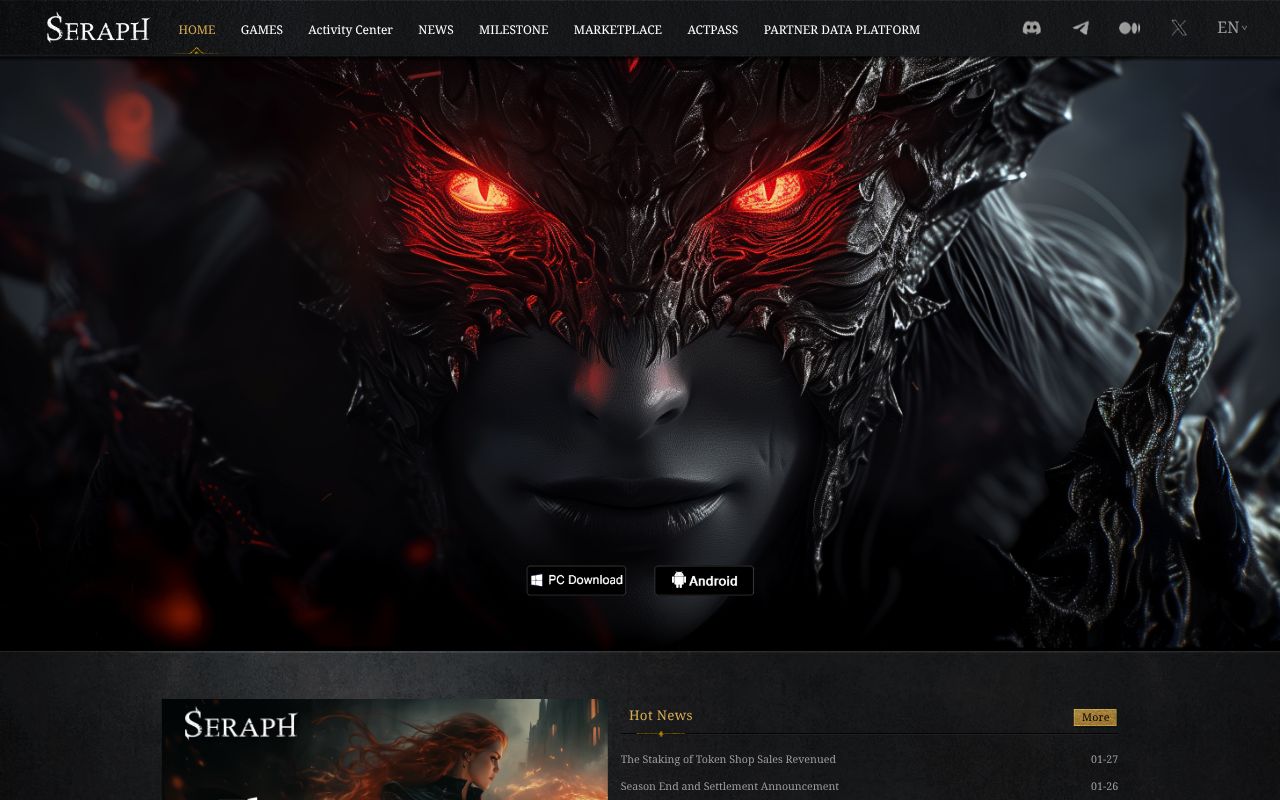
Top 5 Gran Saga: Unlimited alternative’s of 2026
Next-Gen Web3 RPGs Built for Real Ownership
Web3 RPGs are getting very exciting because players are no longer just “renting” their progress. Instead of grinding for months and losing everything when you quit, these games start to mix fun combat, deep story, and assets you can actually own. Additionally, many new titles focus on smoother onboarding, so you can play first and learn the crypto part later.
Gran Saga: Unlimited brought a big-console feel to the idea of blockchain features in an RPG. Notably, it helped show that on-chain items, tradable cosmetics, and player-driven economies can exist without ruining the core gameplay. Therefore, the category matters because it gives players more control, more transparency, and more ways to benefit from the time they invest.
What makes the best alternatives stand out is how they handle truly decentralized ownership while still respecting balance. Specifically, the strongest games avoid “pay-to-win” pressure by focusing on cosmetics, crafting paths, fair marketplaces, and optional earning loops. Moreover, newer 2025 and 2026 releases aim for better performance, cleaner UI, and more content updates, which is what most players actually care about.
If you like the idea behind Gran Saga: Unlimited but want more options in 2026, the picks below deliver fresh worlds, smarter economies, and modern blockchain support. Here are the 5 best Gran Saga: Unlimited alternative’s currently leading the industry.
Best Gran Saga: Unlimited Alternatives to Play in 2026
1. SERAPH: In the Darkness – Hardcore Action RPG With On-Chain Progress

SERAPH: In the Darkness topping our list as the most intense alternative for players who want strict combat, dark atmosphere, and meaningful loot. This action-focused web3 game operates with blockchain-backed assets that can support trading without forcing it into every moment of gameplay. Notably, SERAPH excels in fast builds, gear chasing, and a “real consequences” feel that makes every drop matter.
What sets SERAPH apart is its gritty ARPG pacing paired with a market-friendly item ecosystem. Specifically, you can focus on combat first, then decide what to keep, craft, or trade. Additionally, the game is built for players who enjoy build optimization and challenging content cycles. Moreover, the overall vibe is closer to a dark dungeon crawler than a bright anime MMO. Consequently, with strong item loops and ownership hooks, SERAPH delivers high-stakes progression.
Pros: Crunchy combat, satisfying loot loop, strong ARPG identity
Cons: Can feel punishing, not ideal for casual story-only players
2. Illuvium – Premium Creature RPG With Competitive Depth

Illuvium topping our list as the most polished choice if you want a premium web3 RPG vibe with collection and strategy. This high-production web3 game operates with collectible creatures and assets designed for long-term progression and trading. Notably, Illuvium excels in mixing exploration-style gameplay with competitive decision-making, so it feels more like a full game than a simple earning app.
What sets Illuvium apart is its tight systems and clear value around owned collectibles. Specifically, your roster and items can become part of your identity and your strategy. Additionally, the economy design aims to support a real player market without making combat feel like a wallet contest. Moreover, it’s a strong pick if you like team building, meta shifts, and skill-based improvement. Consequently, with premium presentation and strong systems, Illuvium delivers a “serious game” experience.
Pros: High quality feel, strong strategy layer, collectible ownership is clear
Cons: Some modes can feel complex early on, competitive focus may not fit everyone
3. Shrapnel – Extraction Shooter With Player-Created Economies

Shrapnel topping our list as the boldest alternative if you like intense sessions, high risk, and real loot pressure. This extraction-style web3 game operates around owned items and a player economy that rewards smart decision-making. Notably, Shrapnel excels in tense match flow where every fight matters, which gives ownership a real purpose instead of being just cosmetic.
What sets Shrapnel apart is its creator-focused angle tied to blockchain features. Specifically, user-generated content and competitive play can connect to tradable assets and reputation. Additionally, it’s built to reward skill, planning, and knowledge of the map instead of pure grinding. Moreover, the sci-fi tone and tactical pace fit players who want something different than classic fantasy RPG loops. Consequently, with high stakes and player-driven markets, Shrapnel delivers sharp adrenaline gameplay.
Pros: High intensity gameplay, strong economy potential, creator-friendly direction
Cons: Not an anime RPG, learning curve can be steep
4. Big Time – Fast Dungeon Runs With Tradable Cosmetics
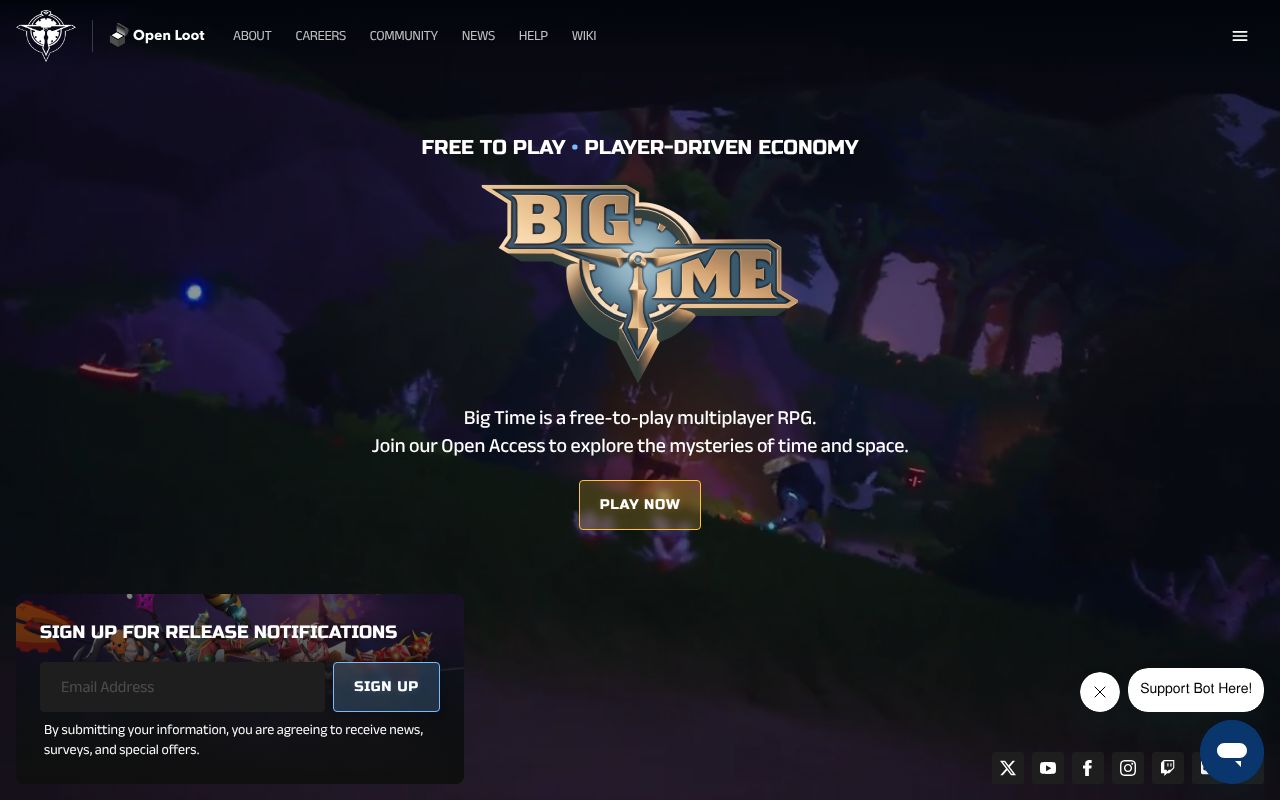
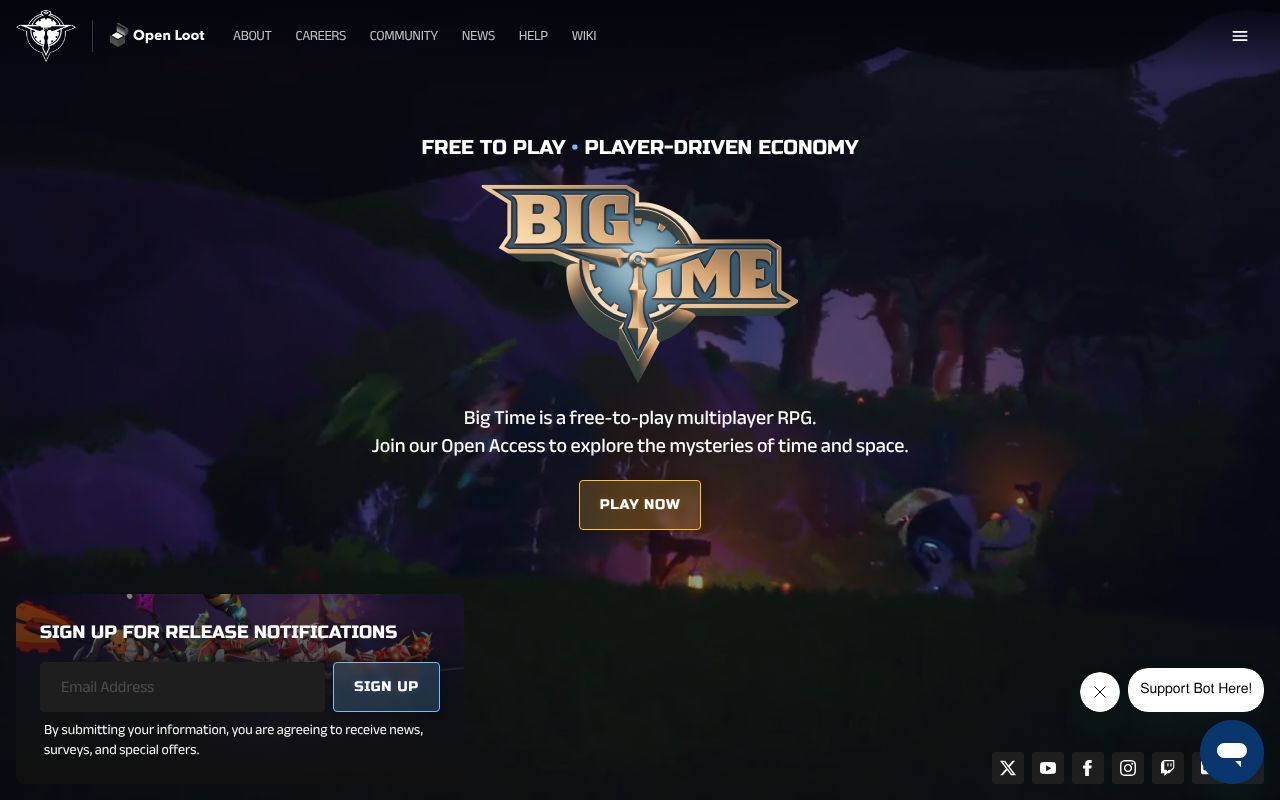
Big Time topping our list as the easiest “just play” alternative if you want action RPG energy without heavy crypto friction. This co-op web3 game operates with cosmetic-driven ownership that helps avoid pay-to-win pressure. Notably, Big Time excels in quick dungeon runs, group play, and a light, fun tone that makes it easy to log in regularly.
What sets Big Time apart is how it uses blockchain features in a way that doesn’t interrupt gameplay. Specifically, ownership leans toward cosmetics and crafting outputs, so your power progression stays primarily skill and time based. Additionally, the art direction and pacing are built for modern players who want speed, not long AFK grinds. Moreover, it’s a solid pick if you enjoy loot showers and team synergy. Consequently, with low friction onboarding and tradable style items, Big Time delivers a friendly web3 experience.
Pros: Very accessible, co-op friendly, cosmetics-first approach
Cons: Less story-heavy, endgame depends on updates and events
5. Sidus Heroes – Space MMORPG Feel With Web3 Identity
Sidus Heroes topping our list as a creative alternative if you want a sci-fi RPG world with identity, progression, and social play. This MMO-leaning web3 game operates with character-themed assets and an evolving ecosystem built around community participation. Notably, Sidus Heroes excels in giving players a “live universe” feeling where roles, gear, and activities can tie into long-term ownership.
What sets Sidus Heroes apart is its focus on worldbuilding and an economy that can connect players through trading and shared goals. Specifically, your assets can support customization and status while still keeping the core loop approachable. Additionally, it’s a good pick if you enjoy social hubs and RPG identity more than pure competitive rankings. Moreover, the space setting is a nice break from standard fantasy. Consequently, with strong thematic design and ownership hooks, Sidus Heroes delivers a distinct MMO-style alternative.
Pros: Unique sci-fi theme, social RPG vibe, identity-focused progression
Cons: MMO pacing may feel slower, some systems take time to understand
The Gran Saga: Unlimited Advantage
The best Gran Saga: Unlimited alternatives share real player ownership, tradable items, and optional earning loops that don’t have to ruin gameplay. Additionally, they push blockchain features toward smoother UX, safer markets, and clearer value for long-term players. Consequently, this category represents the future because it gives players more control over time, progress, and digital assets in games.
Comparison Table
| Game | Best For | Ownership Focus |
|---|---|---|
| SERAPH: In the Darkness | Hardcore ARPG loot and builds | Gear and progression-linked assets |
| Illuvium | Creature collecting and strategy | Collectibles, roster, competitive utility |
| Shrapnel | High-stakes extraction sessions | Loot-driven items, creator economy |
| Big Time | Easy co-op action and quick runs | Cosmetics and crafting outputs |
| Sidus Heroes | Sci-fi RPG identity and social play | Character-themed assets and customization |
Note: “Best For” highlights the main gameplay motivation, while “Ownership Focus” describes what part of the experience is most tied to blockchain features like tradable assets or player-driven markets.