By Admin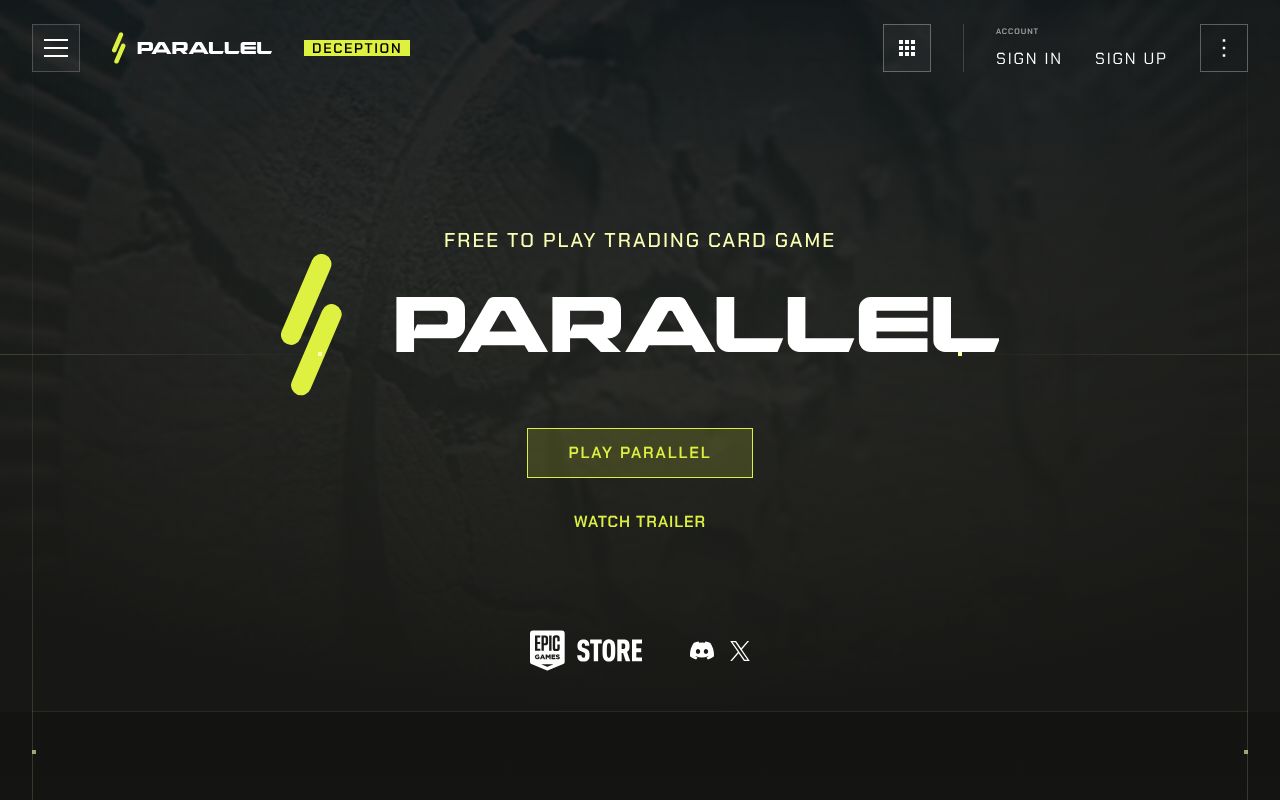

Top 5 Honeyland alternative’s of 2026
Web3 Strategy Games That Feel Worth Your Time in 2026
Honeyland helped push a new type of crypto game forward: one where battles, resource farming, and player-driven markets can actually matter because items and progress live on-chain. For many players, the big appeal is simple: you can own what you earn, trade it freely, and keep your assets even if you stop playing for a while. That shift is why Blockchain Features like NFTs, open marketplaces, and token-based economies keep attracting strategy and collecting fans.
Additionally, games inspired by Honeyland tend to focus on short sessions, steady progression, and the fun of building a team over time. That makes them easier to stick with than long, grind-heavy MMORPGs. Notably, the most interesting 2026-era titles are not trying to copy AAA studios. Instead, they ship faster, test new ideas, and often lean into truly decentralized economies where players shape pricing and scarcity through trading.
Moreover, Honeyland players often look for alternatives that offer similar strengths: tactical gameplay, collectible units, crafting loops, and clear reasons to hold or use in-game assets. Specifically, the best options today mix gameplay-first design with an economy that does not feel like a cash grab. Consequently, you get games that are fun even before you ever connect a wallet, but become more rewarding once you do.
Here are the 5 best Honeyland alternative’s currently leading the industry.
5 Best Honeyland Alternative Picks
1. Parallel – Competitive Sci‑Fi Card Tactics

Parallel topping our list as the sharpest strategy-first option for players who like planning several turns ahead. This tactical card battler operates with a polished ruleset, strong faction identity, and a real competitive scene. Notably, Parallel excels in match depth, where smart sequencing and deck choices matter more than raw grind.
What sets Parallel apart is its clean blend of esports pacing and collectible ownership. Specifically, you can build around factions with different win conditions and playstyles. Additionally, the asset layer supports collecting and trading without forcing constant spending. Moreover, the overall feel is closer to a serious strategy game than a “money game.” Consequently, with fast matches and meaningful decisions, Parallel delivers a strong Honeyland-style alternative for tactical minds.
Pros: Deep competitive gameplay, strong faction variety, polished feel
Contra: More card-battler than base-building, learning curve for new players
2. Axie Infinity: Origins – Team Battles With Real Meta Shifts

Axie Infinity: Origins earns its spot as a battle-focused alternative that still keeps the “collect, upgrade, and outsmart” loop Honeyland fans enjoy. This strategy battler operates around squad building, ability timing, and adapting to an evolving meta. Notably, Origins excels in giving players a clear path from casual matches into ranked competition.
What sets Origins apart is its mature ecosystem and steady content iteration. Specifically, you can experiment with team comps and counters without needing constant long sessions. Additionally, the economy and collectibles are well-known, so trading and team planning is straightforward. Moreover, the game keeps the focus on readable tactics rather than flashy distractions. Consequently, with strong replay value and community support, Origins delivers a reliable Web3 strategy option.
Pros: Established ecosystem, strategic team building, good replay value
Contra: Very competitive environment, balance changes can shift value fast
3. Pixels – Cozy Farming With A Real Player Market

Pixels topping our list as the easiest “chill grind” alternative for Honeyland players who like resource loops and upgrading over time. This farming-social game operates with crafting, land progression, and trade-driven goals. Notably, Pixels excels in simple daily play where each small session still moves you forward.
What sets Pixels apart is its strong focus on community and economy interaction. Specifically, crafting and gathering feed into a market where other players create demand. Additionally, the gameplay stays light and approachable, which helps new users stick around. Moreover, the on-chain asset layer fits naturally because items and upgrades have clear utility. Consequently, with relaxing progression and real trading incentives, Pixels delivers a friendly alternative to more combat-heavy titles.
Pros: Beginner-friendly, satisfying crafting loop, active trading economy
Contra: Less tactical combat, progression can feel slow without planning
4. Seraph: In the Darkness – Loot Hunts With On‑Chain Gear
Seraph: In the Darkness earns attention as a loot-driven alternative for players who want action plus ownership. This dungeon-style RPG operates around gear drops, character builds, and repeated runs that improve results over time. Notably, Seraph excels in the “one more run” loop, where better items and smarter builds create real progress.
What sets Seraph apart is its focus on equipment value and build identity. Specifically, on-chain gear can matter because it changes how you play, not just how you look. Additionally, the hunt for upgrades creates a natural reason for a player economy to exist. Moreover, the darker theme and faster gameplay can feel like a fresh break from cute, casual titles. Consequently, with rewarding loot and clear build paths, Seraph delivers a strong alternative for grinders.
Pros: Addictive loot loop, build variety, gear has real utility
Contra: More action than strategy, can feel repetitive if you dislike farming
5. The Beacon – Roguelike Runs With Skill-Based Progression
The Beacon sits as a smart alternative for players who care about skill and repetition done right. This roguelike action title operates with quick runs, escalating difficulty, and progression that rewards learning patterns. Notably, The Beacon excels in making each run feel different, which keeps the cycle interesting longer than typical grinding.
What sets The Beacon apart is its high replayability paired with a modern Web3 layer. Specifically, the risk-reward feel matches well with tradable items and progression systems. Additionally, runs are short enough to fit into busy schedules. Moreover, the gameplay emphasis helps it stand on its own even if you ignore the economy at first. Consequently, with tight controls and consistent challenge, The Beacon delivers a satisfying alternative for competitive players.
Pros: High replay value, quick sessions, skill-based progression
Contra: Tough difficulty for casuals, less “collection management” than Honeyland
The Honeyland Advantage
The best Honeyland-style games share clear strengths: real ownership, tradeable progression, and gameplay loops that feel rewarding in short sessions. Additionally, they use Blockchain Features to support player markets instead of forcing pay-to-win design. Consequently, this category is shaping the future because it gives players control over value, items, and long-term progress in a truly decentralized way.
Comparison Table
| Game | Best For | Core Loop |
|---|---|---|
| Parallel | Competitive strategy players | Deckbuilding, ranked matches, faction mastery |
| Axie Infinity: Origins | Team comp + meta lovers | Squad battles, ability timing, ladder climbing |
| Pixels | Chill progression and trading | Farming, crafting, market-driven goals |
| Seraph: In the Darkness | Loot hunters and build grinders | Dungeon runs, gear upgrades, build crafting |
| The Beacon | Roguelike challenge fans | Short runs, skill growth, risk-reward progress |
Note: “Best For” reflects the player style that benefits most, while “Core Loop” summarizes the main gameplay cycle you will repeat daily or weekly.