By Admin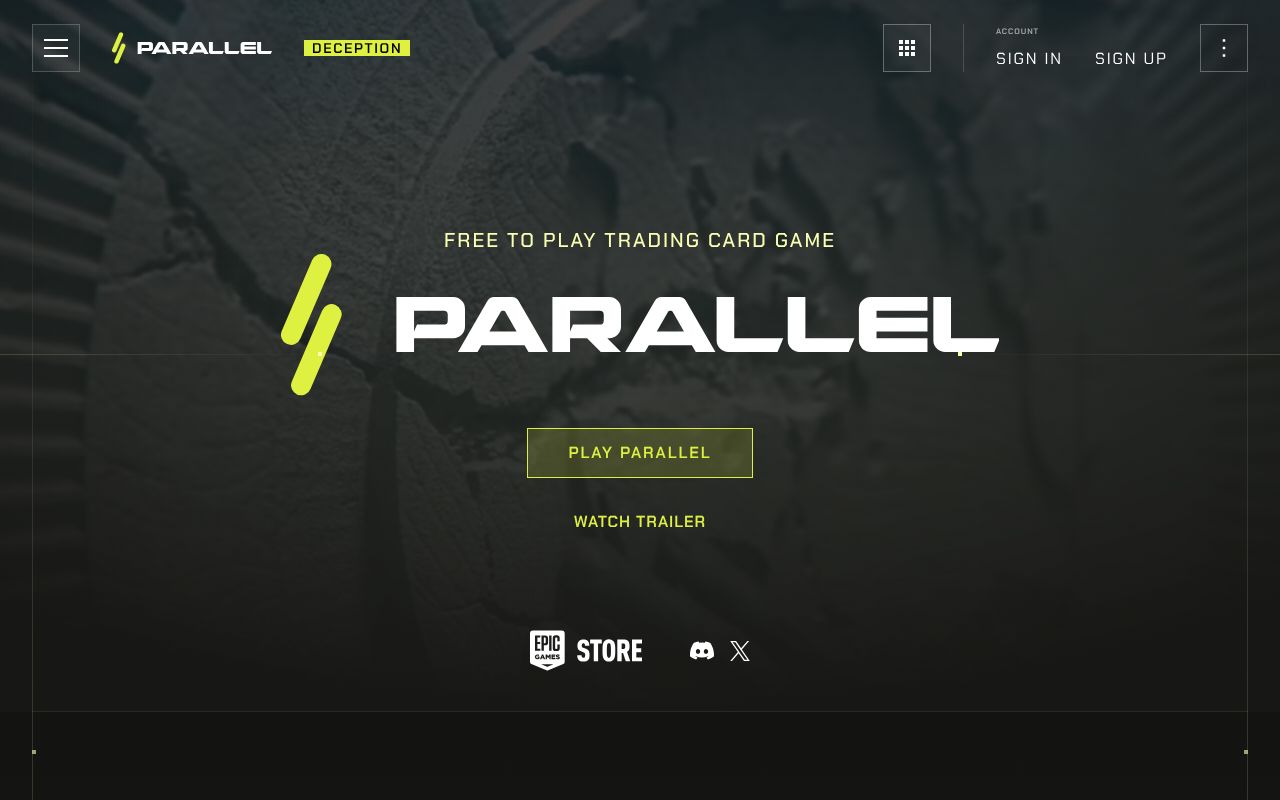
Top 5 Best Illuvium Arena Alternative’s of 2026
Battle Ready Crypto Games for 2026
Illuvium Arena is very exciting because it puts fast battles, real ownership, and competitive play into one clean package. Many players like it because you can collect assets, build teams, and test strategy without feeling like you are stuck in a closed game economy. Additionally, the rise of crypto games means more options for players who want items that can be traded, sold, or used across a wider ecosystem. That is a big shift from classic games where your progress is locked to one account forever.
This category matters because it mixes skill and ownership. Notably, top arena and creature battlers now use Blockchain Features like on-chain items, NFT-based collectibles, and open marketplaces. Specifically, you can often verify scarcity, track provenance, and move value outside the game if you choose. That is why many fans call this a step toward truly decentralized gaming, where the player has more control over time spent and money invested.
Additionally, newer projects in 2025 and 2026 are focusing on smoother onboarding, better mobile support, and gameplay-first design. Moreover, more teams are avoiding overhyped promises and instead shipping playable builds, seasons, and real reward systems. Consequently, you can already find strong alternatives that feel fresh, competitive, and easy to learn.
Here are the 5 best Illuvium Arena alternative’s currently leading the industry.
Top Picks Like Illuvium Arena
1. Parallel – Competitive Sci‑Fi Card Battles

Parallel topping our list as one of the most skill-driven crypto strategy games you can actually grind. This tactical card battler operates with a deep deck-building system where matchup knowledge matters more than hype. Notably, the game leans into competitive play, seasonal formats, and a player base that enjoys mastering mechanics.
What sets Parallel apart is its strong mix of strategy and ownership. Specifically, you can collect and trade assets tied to the ecosystem. Additionally, the gameplay loop is built around improving decisions, not just farming. Moreover, the theme and art direction make it easier to stay engaged long-term. Consequently, with high replayability and real meta shifts, Parallel delivers serious arena-style competition without needing a creature battler.
Pros:
Deep strategy and real competitive feel
Strong art direction and clear game identity
Good for players who like learning matchups
Cons:
Not a creature collector, more card-focused
Deck optimization can be intense for beginners
2. Avalanche: Ascendants – Squad PvP With Crypto Progression
Avalanche: Ascendants topping our list as a newer PvP title with a clean “jump in and fight” vibe. This action-focused game operates around team combat, loadouts, and progression that rewards smart positioning. Notably, it scratches the same competitive itch as Illuvium Arena, but with more direct control and faster rounds.
What sets Avalanche: Ascendants apart is its push toward accessible competitive sessions. Specifically, the pacing is designed for quick matches. Additionally, progression systems give you clear goals without forcing long grinds. Moreover, the crypto layer is there for players who want ownership, while casual players can still enjoy the core loop. Consequently, with a focus on skill and match flow, it delivers a strong alternative for arena fans.
Pros:
Fast matches with clear competitive pressure
Easy to understand team-based combat
Good option if you prefer action over turn-based
Cons:
Less “collector” feel than creature battlers
Meta may change quickly as it evolves
3. BitCraft Online – Player Economy and Crafting Power

BitCraft Online topping our list as a smart pick for players who care about ownership and economy more than pure combat. This community sandbox operates with crafting, gathering, trade routes, and a player-driven market. Notably, it gives you a “build your path” style where your time can translate into valuable items and resources.
What sets BitCraft Online apart is how naturally it supports truly decentralized play patterns. Specifically, the economy is shaped by players doing real work in-game. Additionally, the social layer matters because groups control production and distribution. Moreover, it is not about flashy AAA combat, it is about long-term value and smart decisions. Consequently, with open trade and meaningful progression, it delivers an alternative to arena grinders who also want lasting ownership.
Pros:
Strong player economy and crafting depth
Great for traders and long-term builders
Feels social and community-driven
Cons:
Not focused on quick PvP arena battles
Progress can feel slower for action-first players
4. Forgotten Runes: Wizard’s Cult – Identity, Lore, and Utility Gaming
Forgotten Runes: Wizard’s Cult topping our list as a unique choice for players who like community identity mixed with game utility. This wizard-themed ecosystem operates with collectible ownership and expanding experiences tied to the project. Notably, it is not trying to be a standard arena battler, but it still offers a strong alternative path for players who want Web3 value beyond one mode.
What sets Forgotten Runes apart is its lore-first approach with Blockchain Features that support ongoing utility. Specifically, the collectible side can unlock access, perks, and connected drops. Additionally, the community element is more than chat, it is part of the gameplay direction. Moreover, the style and world-building keep it fresh even when you are not grinding battles. Consequently, with culture plus ownership, it delivers a different but smart alternative for Illuvium fans.
Pros:
Strong community identity and lore focus
Utility-based ownership beyond one game mode
Good for collectors who want ongoing perks
Cons:
Less direct competition compared to arena battlers
Gameplay variety depends on releases
5. Stellar Gate – Lightweight PvP With Crypto Ownership
Stellar Gate topping our list as a lighter, newer option for players who want competitive play without heavy complexity. This PvP-focused title operates with short sessions, clear upgrade paths, and a simple learning curve. Notably, it fits players who enjoy the “queue, fight, improve” loop similar to arena formats.
What sets Stellar Gate apart is its straightforward design. Specifically, you can focus on getting better instead of studying a massive wiki. Additionally, the progression makes sense even if you play in short bursts. Moreover, the crypto layer can add ownership for players who value tradable assets. Consequently, with quick PvP and easy onboarding, Stellar Gate delivers a practical alternative when you want competition without overload.
Pros:
Simple to learn and easy to jump into
Quick PvP sessions and clear progression
Good for casual competitive players
Cons:
May feel light for hardcore theorycrafters
Smaller ecosystem than long-running projects
The Illuvium Arena Advantage
Games like Illuvium Arena push players toward ownership, open trading, and competitive play that rewards skill. Additionally, Blockchain Features can make time spent in-game feel more meaningful because assets can hold value outside your account. Consequently, this category represents the future for players who want real control, truly decentralized economies, and gameplay that stays exciting through seasons and updates.
Comparison Table
| Game | Best For | Gameplay Style |
|---|---|---|
| Parallel | Ranked strategy and meta mastery | Competitive card battler |
| Avalanche: Ascendants | Action PvP and team combat | Squad-based competitive fights |
| BitCraft Online | Economy, crafting, long-term value | Sandbox MMO progression |
| Forgotten Runes: Wizard’s Cult | Collectors and community utility | Lore + connected game experiences |
| Stellar Gate | Quick PvP and easy onboarding | Light competitive sessions |
Note: “Best For” is based on the main player goal, while “Gameplay Style” describes the core loop so you can match the game to how you like to play.