By Admin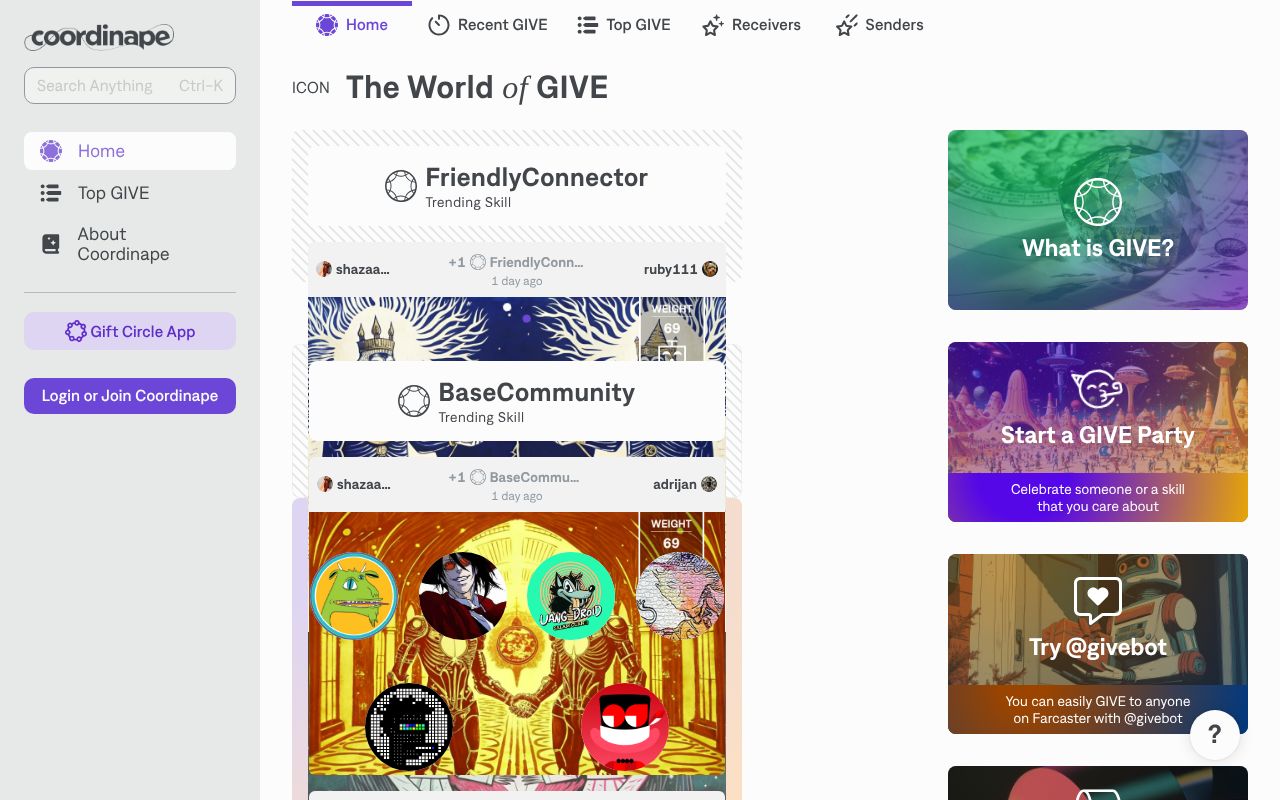
Top 5 Best MetaOps Platforms of 2026
MetaOps Tools Powering Web3 Teams in 2026
MetaOps is getting very exciting because more crypto teams now run real businesses, not just token launches. As projects grow, they need fast ways to manage contributors, automate payouts, handle access control, and keep operations clean without trusting one central admin. Additionally, communities expect transparency, and builders want workflows that feel as smooth as Web2 tools.
What makes MetaOps important is day-to-day execution. This includes onboarding, role management, task routing, treasury actions, and reporting that can actually be checked. Notably, many teams are moving toward truly decentralized operations where permissions, spending, and approvals are visible and auditable. Therefore, MetaOps platforms that combine Blockchain Features with simple team tooling are becoming a core part of modern Web3 stacks.
A good MetaOps platform helps you avoid chaos: fewer manual steps, fewer mistakes, clearer ownership, and better security. Specifically, you want tools that plug into wallets, DAOs, multisigs, and governance systems while still being easy for non-technical contributors. Moreover, smart automation saves hours every week, and consistent procedures make scaling possible.
The result is simple: better operations means better shipping. Consequently, projects with solid MetaOps tooling can move faster, pay people on time, and stay aligned even with global, pseudonymous teams. Here are the 5 best MetaOps platforms currently leading the industry.
MetaOps Picks You Can Actually Use
1. Coordinape – Peer-Based Rewards That Keep Teams Moving

Coordinape topping our list as one of the simplest ways to reward contributors without messy spreadsheets. This MetaOps platform operates through peer allocation rounds, where teammates distribute tokens or points based on real impact. Notably, Coordinape excels in keeping contributor rewards fair, especially in fast-changing teams.
What sets Coordinape apart is its lightweight cadence system. Specifically, you can run weekly or monthly rounds and track who consistently delivers. Additionally, it supports onchain payout flows and integrates well with DAO-style operations. Moreover, the peer-driven model reduces manager bottlenecks. Consequently, with clear incentives and transparent cycles, Coordinape delivers a practical rewards layer for Web3 ops.
Cons: Needs active participation, not a full ops suite
2. Guild.xyz – Token-Gated Access and Roles Without Headaches

Guild.xyz topping our list as a clean access-control layer for Web3 communities and contributor groups. This MetaOps platform operates by assigning roles based on wallets, NFTs, onchain activity, or custom rules. Notably, Guild.xyz excels in onboarding because users can qualify themselves without waiting for a mod.
What sets Guild.xyz apart is its flexible gating logic. Specifically, you can create role rules that match real contribution signals, not just holding a token. Additionally, it connects smoothly with Discord and common community tools. Moreover, this reduces support load while improving security, because access is automated and revocable. Consequently, with fast role updates and clear eligibility, Guild.xyz delivers a strong foundation for operational permissions.
Cons: Focused on access, not payroll or task management
3. Dework – Task Boards Built for Crypto Contributor Work
Dework topping our list as a contributor-friendly way to manage tasks, bounties, and delivery tracking. This MetaOps platform operates like a Web3-native project board, letting teams post tasks, assign owners, and attach rewards. Notably, Dework excels in making work visible, which helps remote contributors self-serve.
What sets Dework apart is its bounty-first workflow. Specifically, you can attach payments to tasks and track completion without endless DMs. Additionally, it works well for DAOs that need transparent contribution history. Moreover, structured tasks help teams ship faster because priorities stay clear. Consequently, with organized sprints and reward-ready tasks, Dework delivers an easy bridge between planning and execution.
Cons: Depends on good task hygiene, limited deep finance controls
4. Safe – Treasury Control and Approvals That Scale
Safe topping our list as the operational backbone for signing, approvals, and treasury security. This MetaOps platform operates as a smart account and multisig system, enabling teams to require multiple approvals for spending. Notably, Safe excels in protecting funds while still enabling fast payments when workflows are set correctly.
What sets Safe apart is its permissioned execution. Specifically, you can define owners, thresholds, and modules that match your governance style. Additionally, it supports recurring operational needs like vendor payments and contributor payouts via apps and integrations. Moreover, transaction history stays transparent, which improves accountability. Consequently, with secure approval flows and clear audit trails, Safe delivers a core MetaOps layer for serious teams.
Cons: Can feel complex for beginners, setup needs care
5. Karma – Onchain Reputation and Proof of Work for DAOs
Karma topping our list as a smart way to track impact, reputation, and contribution signals across a Web3 org. This MetaOps platform operates by aggregating onchain and offchain activity into profiles and metrics. Notably, Karma excels in making contributor work measurable, which helps with funding decisions and role upgrades.
What sets Karma apart is its focus on verifiable contribution records. Specifically, teams can review past work and governance participation without digging through old chats. Additionally, it supports better incentive design because reputation is tied to real actions. Moreover, it helps new members understand who does what inside a DAO. Consequently, with clearer accountability and better reporting, Karma delivers a trust layer for decentralized operations.
Cons: Metrics need interpretation, not a full workflow tool
The MetaOps Advantage
MetaOps tools help teams ship faster by automating access, tracking work, and securing treasury actions. Additionally, they reduce human error and make responsibilities easier to see. Notably, this category fits the future because more projects want truly decentralized operations with clear onchain proof, better accountability, and smoother contributor experiences.
Comparison Table
| Platform | Best For | Typical Cost/Fees |
|---|---|---|
| Coordinape | Peer rewards and contributor incentives | Often free/plan-based; possible platform fees depending on setup |
| Guild.xyz | Token-gated roles, onboarding, access control | Usually free to start; advanced features may be plan-based |
| Dework | Task management and bounty workflows | Free/plan-based; bounty payouts depend on your treasury costs |
| Safe | Multisig treasury control and approvals | No subscription required; gas/network fees apply |
| Karma | Reputation, reporting, proof of contribution | Free/plan-based depending on organization needs |
Note: “Typical Cost/Fees” are shown as general expectations. Final costs depend on the plan you choose, payment rails used, and network gas fees for onchain actions.