By Admin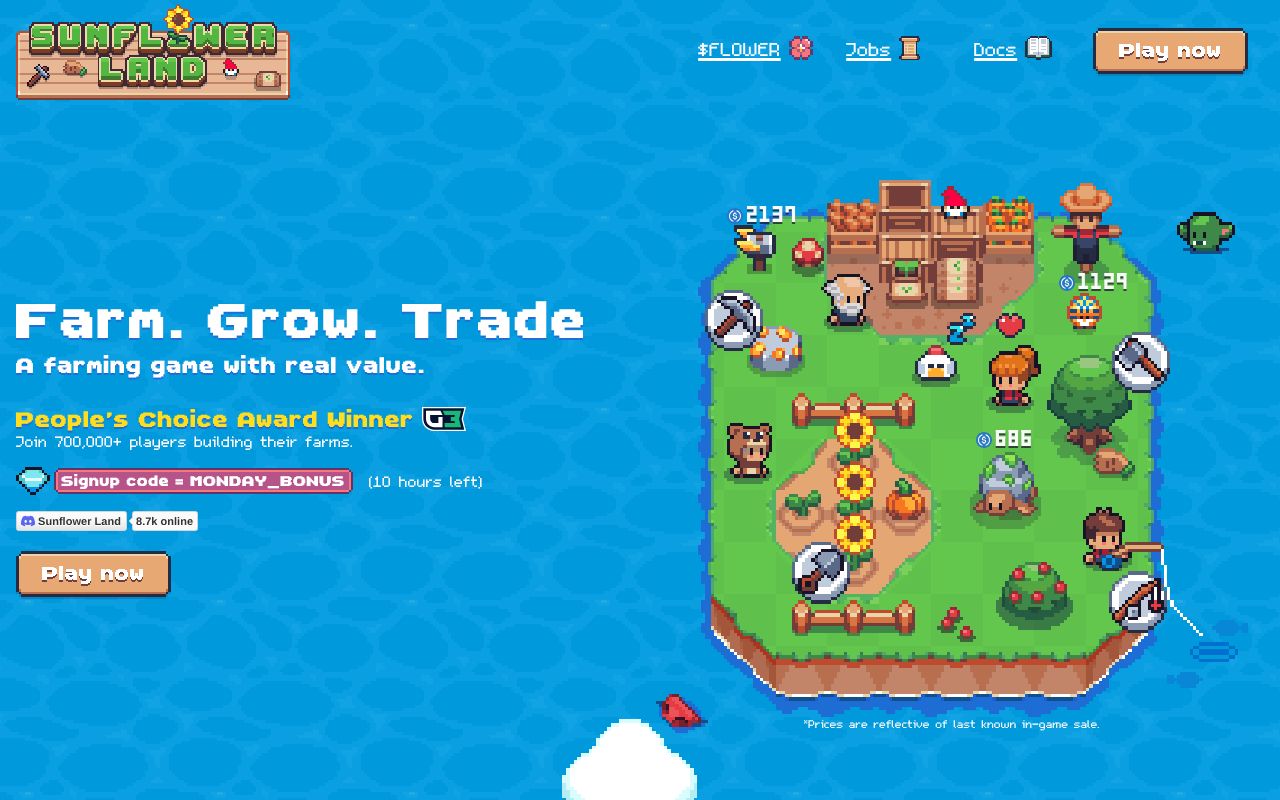

Top 5 Parallel Colony Game alternative’s of 2026
Next-Gen Crypto Games Like Parallel Colony
Parallel Colony is exciting because it mixes strategy, building, and community-driven gameplay with real blockchain ownership. Players are not just grinding for points, they are collecting assets that can actually be owned, traded, or used across a growing Web3 ecosystem. Additionally, this category keeps getting better because developers are experimenting with new ways to reward skill, smart planning, and long-term play instead of pure pay-to-win systems.
What makes Parallel Colony-style games important is the feeling of progress that stays with you. Notably, blockchain features like on-chain items, token-based economies, and open marketplaces give players more control. Specifically, a truly decentralized approach can reduce the risk of a single publisher changing the rules without warning, because assets and rules can be more transparent and verifiable.
These games also attract players who like strategy and optimization. Moreover, many of the newer titles focus on smaller, more innovative teams instead of AAA studios, which often leads to fresher mechanics and tighter communities. Consequently, you get games that evolve quickly, add utility to items, and build player-run economies that feel alive.
If you like Parallel Colony, you probably want similar features like persistent progression, tradable resources, and gameplay that rewards planning. Therefore, choosing the right alternative is about finding a project with active development, clear token utility, and fun core gameplay that does not rely on hype alone. Here are the 5 best Parallel Colony Game alternative’s currently leading the industry.
Top Picks for Parallel Colony-Style Games
1. Sunflower Land – Cozy Farming With Real On-Chain Progress

Sunflower Land topping our list as one of the most accessible Web3 farming games. This cozy strategy game operates around planting, crafting, and upgrading your farm while keeping a strong player economy. Notably, Sunflower Land excels in simple loops that stay satisfying, even if you only play in short sessions.
What sets Sunflower Land apart is its strong crafting and resource planning. Specifically, you are constantly deciding what to grow, what to refine, and what to sell. Additionally, the game balances progression with scarcity, which makes trading meaningful. Moreover, it has a friendly community and frequent updates. Consequently, with steady upgrades and useful items, Sunflower Land delivers long-term progression that feels earned.
Pros: Easy to learn, strong economy, relaxing strategy gameplay
Cons: Can feel grindy during long upgrade paths
2. Crypto Unicorns – Creature Strategy With Utility-Driven Assets

Crypto Unicorns topping our list as a deeper ecosystem game with multiple modes. This creature-based platform operates with collectible unicorns that can be used across gameplay features and events. Notably, Crypto Unicorns excels in giving assets ongoing utility instead of being simple collectibles.
What sets Crypto Unicorns apart is its multi-game approach. Specifically, your assets can matter in different activities, which keeps the economy active. Additionally, breeding and progression add a strategic layer that rewards smart decisions. Moreover, the project focuses heavily on community and live operations. Consequently, with evolving gameplay and asset usage, Crypto Unicorns delivers a flexible Web3 experience for long-term players.
Pros: Strong asset utility, multiple modes, active development
Cons: More systems to learn, entry can feel complex
3. Pixels – Social MMO Farming With Trading Hooks

Pixels topping our list as a social-first alternative with strong MMO energy. This pixel-style world operates with quests, farming, crafting, and a marketplace that supports player trade. Notably, Pixels excels in making progression feel social, because players often gather, trade, and share strategies.
What sets Pixels apart is its blend of casual play and market-driven decisions. Specifically, you can focus on quests and upgrades while still engaging with resource planning. Additionally, the world design encourages daily check-ins without heavy pressure. Moreover, the project has attracted a large player base, which helps trading stay active. Consequently, with steady progression and social momentum, Pixels delivers a lively crypto game loop.
Pros: Very social, easy to jump into, active marketplace
Cons: Crowded economy can swing prices fast
4. SERAPH In The Darkness – Action Looting With Player-Owned Gear
SERAPH In The Darkness topping our list as a stronger choice for players who want combat plus item value. This action RPG operates around dungeon runs, loot upgrades, and gear progression with blockchain ownership. Notably, SERAPH excels in tight looting loops that can feel closer to classic ARPG players.
What sets SERAPH apart is its focus on build crafting and gear decisions. Specifically, you are not just collecting items, you are optimizing a setup for better clears. Additionally, the ownership angle makes rare drops feel more meaningful. Moreover, it supports a gameplay-first approach instead of making tokens the only goal. Consequently, with rewarding runs and item progression, SERAPH delivers a stronger skill-based option.
Pros: Fun combat loop, meaningful loot, build depth
Cons: More demanding gameplay, not as chill as colony sims
5. AIT Protocol – AI-Powered Tasks and On-Chain Incentives
AIT Protocol topping our list as a different but smart alternative for players who like systems and incentives. This platform-style experience operates around AI tasks, data-driven participation, and reward structures tied to blockchain logic. Notably, AIT Protocol excels in giving users a role beyond gaming, which can feel like a productive layer on top of Web3 activity.
What sets AIT Protocol apart is its focus on AI utility and contribution. Specifically, participation can be tied to real network value instead of pure entertainment. Additionally, it appeals to players who like optimization and strategy thinking. Moreover, it provides a fresh direction for Web3 ecosystems where users earn through meaningful actions. Consequently, with incentive design and utility hooks, AIT Protocol delivers a forward-looking alternative.
Pros: Unique AI angle, utility-driven participation, modern Web3 design
Cons: Less “game-first”, can feel technical for casual players
The Parallel Colony Advantage
Parallel Colony-style games share clear benefits: persistent progression, player ownership, and economies designed around utility. Additionally, they reward planning and smart resource decisions instead of pure spending. Notably, blockchain features help players trade, collect, and build long-term value. Consequently, this category points to the future of gaming where your time and strategy can create assets you actually control.
Comparison Table
| Platform/Game | Best For | Key Feature |
|---|---|---|
| Sunflower Land | Cozy strategy and farming | Crafting and resource planning economy |
| Crypto Unicorns | Collectors who want utility | Assets used across multiple modes |
| Pixels | Social MMO style players | Quests plus active marketplace trading |
| SERAPH In The Darkness | Action RPG and loot fans | Build crafting with player-owned gear |
| AIT Protocol | AI and incentive system fans | Utility-driven participation with blockchain rewards |
Note: “Best For” reflects the main player type each project serves. “Key Feature” highlights the core mechanic most similar to Parallel Colony-style progression, ownership, or economy design.