By Admin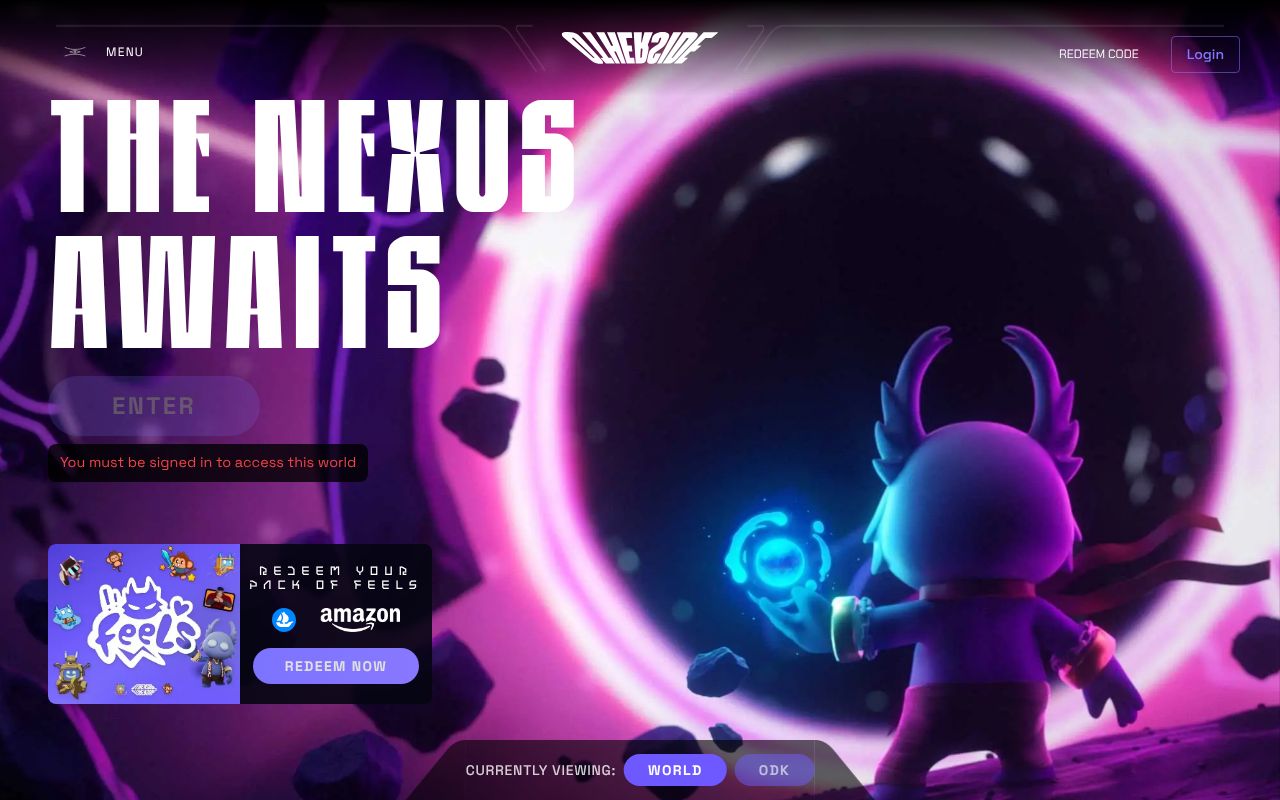
Top 5 Best Second World Alternative’s of 2026
Metaverse Worlds That Feel Truly Owned in 2026
Second World is exciting because it mixes social play, simple building, and digital ownership in a way that feels approachable for normal users. In 2026, players care less about flashy trailers and more about whether an online world actually lets them own items, move value around, and keep progress even if a single company changes the rules. That is why this category matters: a good Second World-style game can become your hangout spot, your creator studio, and your mini economy at the same time.
A strong alternative should bring Blockchain Features that make ownership real, not just “account-based.” Specifically, look for wallet-friendly sign-in, tradable assets, open marketplaces, and creator tools that reward builders. Additionally, the best projects keep the barrier to entry low, so you can jump in fast without needing advanced crypto knowledge. Notably, the most trusted experiences also lean toward truly decentralized infrastructure, where the community has a real voice and assets are not stuck behind one gatekeeper.
If you want something like Second World but newer, more creator-focused, or simply built with better on-chain design, there are several strong options from 2025 and 2026 that are gaining traction without being AAA titles. Here are the 5 best Second World alternative’s currently leading the industry.
5 Second World-Style Games to Try
1. Otherside – Quest-Driven Social Metaverse

Otherside topping our list as a social-first world that leans into quests, group activities, and collectible-driven identity. This creator-friendly metaverse operates with a strong community pull, where events and missions give players a reason to return instead of just standing around. Notably, Otherside excels in building social momentum fast, so even new users can find something to do.
What sets Otherside apart is its focus on gameplay loops inside a shared world. Specifically, it pushes structured experiences rather than empty sandbox wandering. Additionally, creators and communities can rally around events that feel like MMO content. Moreover, its Web3 layer supports real asset ownership. Consequently, with social depth and on-chain identity, Otherside delivers a more “alive” alternative to Second World.
Pros: Strong community energy, quest-like activities, recognizable on-chain identity
Cons: Can feel gated by ecosystem culture, availability may depend on access phases
2. Mocaverse – Identity Hub for Collectors and Communities

Mocaverse topping our list as an identity-led alternative that puts your profile and access perks at the center. This community platform operates around badges, memberships, and social utility that can stretch across experiences. Notably, Mocaverse excels in making “who you are” in the metaverse matter, which is a big deal if you like status items and community rewards.
What sets Mocaverse apart is its membership-style structure. Specifically, it connects perks to your on-chain identity in a clean way. Additionally, it is built to plug into events and partner worlds rather than living as a single isolated game. Moreover, it gives collectors a simple reason to hold and use assets. Consequently, with portable identity and rewards, Mocaverse delivers a smart Second World-style alternative for social users.
Pros: Strong identity system, perks and access mechanics, good for community building
Cons: More “social utility” than pure gameplay, depends on partner integrations
3. Treeverse – Cozy MMO Feel With Real Ownership

Treeverse topping our list as a lightweight MMORPG-style world that is easy to understand for beginners. This adventure-focused game operates with classic MMO ideas like exploration, gear progression, and social play, while still supporting blockchain-based items. Notably, Treeverse excels in giving players a clear goal loop, which is perfect if you want more structure than a pure sandbox.
What sets Treeverse apart is its balance between “game first” and Web3 ownership. Specifically, it aims to feel like a normal online RPG before you even think about crypto. Additionally, the world design supports meeting people naturally while you play. Moreover, tradable items give your time value beyond the session. Consequently, with approachable MMO gameplay and Blockchain Features, Treeverse delivers a practical alternative to Second World.
Pros: Beginner-friendly MMO loop, clear progression, on-chain items add real value
Cons: Still evolving content breadth, MMO balancing can change over time
4. KiraVerse – Fast Sessions, Strong Cosmetic Economy
KiraVerse topping our list as a more action-leaning alternative that still keeps the social and ownership layer. This session-based game operates with quick matches and a strong focus on cosmetics and characters that players actually care about. Notably, KiraVerse excels in delivering instant fun, so it works well if you do not want slow building and long setup time.
What sets KiraVerse apart is its tight “play now” design. Specifically, the game loop is easy to repeat and easy to learn. Additionally, the collectible layer gives skins and characters a reason to exist beyond flexing. Moreover, community drops and updates can keep the economy active. Consequently, with quick gameplay and tradable cosmetics, KiraVerse delivers a high-energy Second World-style substitute.
Pros: Quick sessions, strong cosmetic identity, easy to jump into
Cons: Less sandbox creativity, action focus may not fit pure social builders
5. Big Time – A Real Game With Player-Owned Items
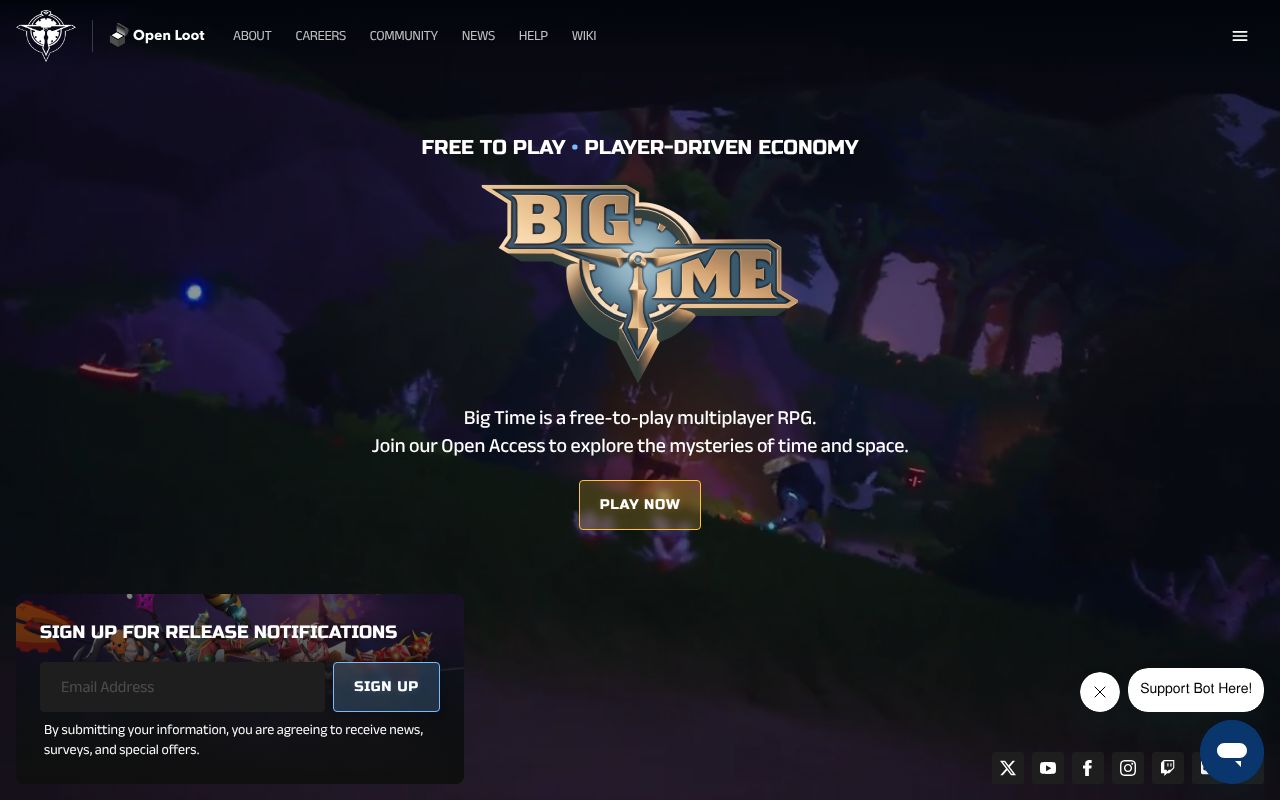
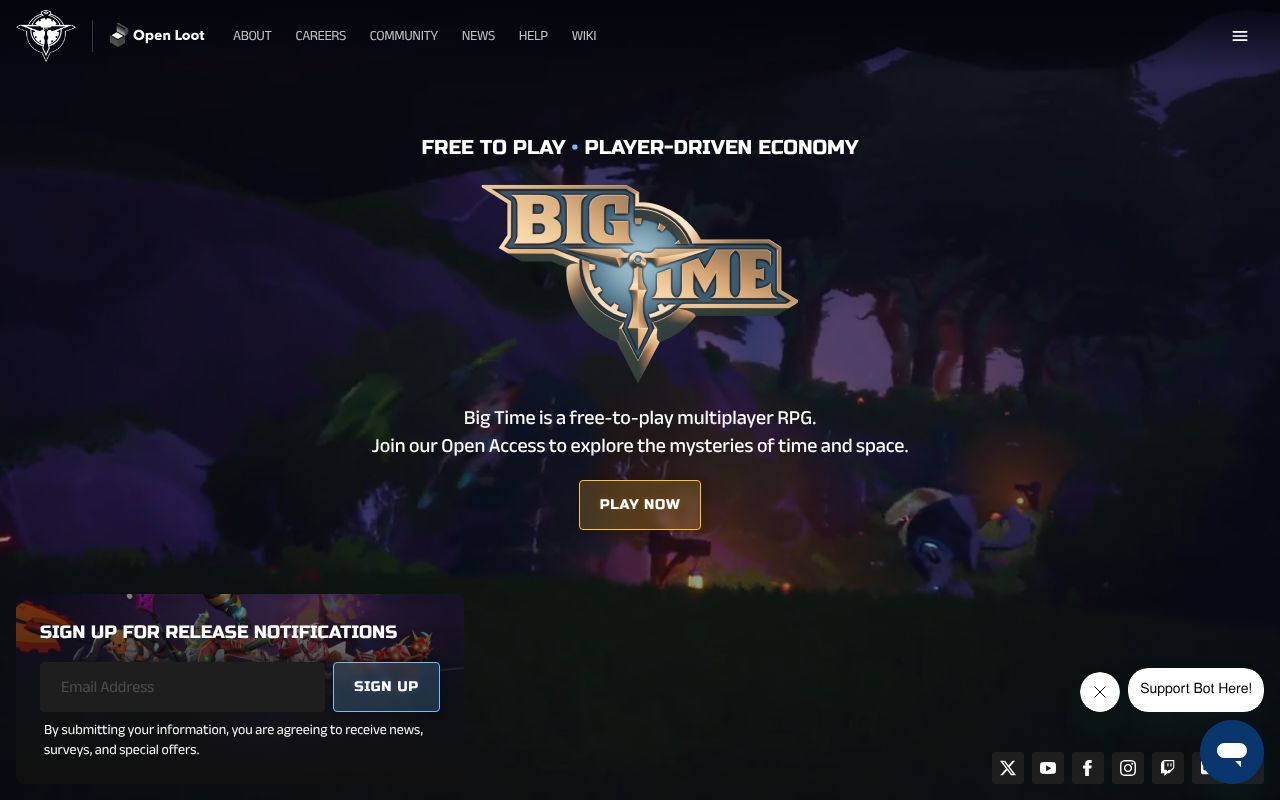
Big Time topping our list as a gameplay-heavy choice for users who still want ownership without living in a builder sandbox. This action RPG operates with dungeon-style combat, loot chasing, and team play, while still supporting tradable items. Notably, Big Time excels in making the game feel complete, which matters if you are tired of empty “metaverse demos.”
What sets Big Time apart is its commitment to fun first. Specifically, it gives players a reason to grind because the core loop is satisfying. Additionally, trading adds a real economy layer to gear and collectibles. Moreover, social play is built into parties and progression. Consequently, with strong gameplay and a working economy, Big Time delivers a solid alternative if Second World feels too casual.
Pros: Strong action gameplay, real loot chase, active player economy
Cons: Less “hangout sandbox” vibe, progress can feel grindy for casual users
The Second World Advantage
Second World-style games share a few winning traits: social-first design, user identity, and digital items that can actually be owned. Additionally, they push Blockchain Features that reward creators and collectors, not just publishers. Consequently, this category represents the future because it turns online time into portable value, while still keeping the experience fun and community-driven.
Comparison Table
| Game | Best For | Economy Focus |
|---|---|---|
| Otherside | Social quests, community events | Collectibles + identity-driven utility |
| Mocaverse | Memberships, perks, community access | Badges, rewards, partner integrations |
| Treeverse | Cozy MMO progression and social play | Player-owned items tied to progression |
| KiraVerse | Quick matches and collectible cosmetics | Skins/characters with trade value |
| Big Time | Action RPG fans who want ownership | Loot economy with tradable items |
Note: “Economy Focus” compares what each project mainly uses for value (identity perks, collectibles, loot, or cosmetics). “Best For” is based on the core loop you will spend most of your time doing.