By Admin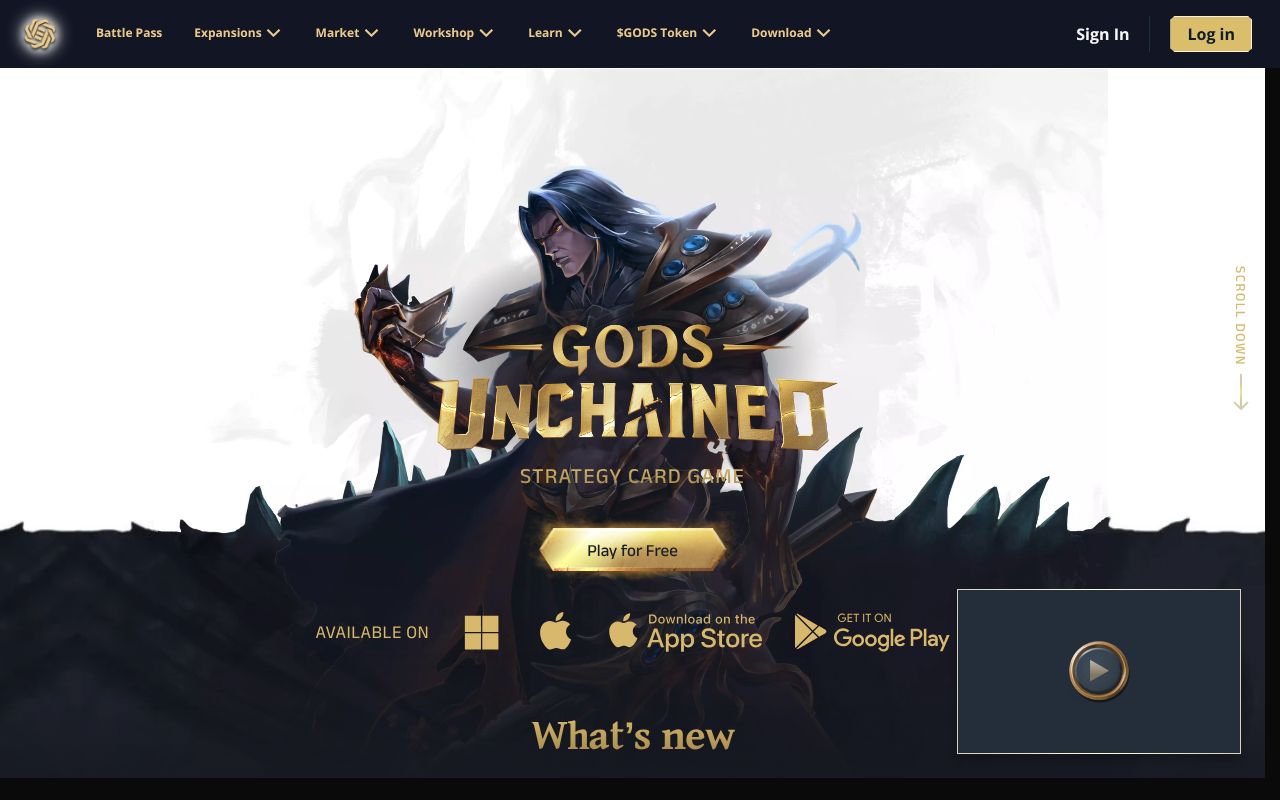
Top 5 Splinterlands Alternative’s of 2026
Next-Gen Card Battles on the Blockchain
Splinterlands has shown how fun a fast-paced card battler can be when you actually own your assets. Players can collect cards, trade them freely, and build strategies that reward skill as much as grind. Additionally, the play-to-earn idea becomes much more interesting when rewards are transparent and verifiable on-chain, instead of locked inside a publisher’s database.
This category matters because it gives players real control. With truly decentralized ownership, items can be sold, rented, or moved between wallets without asking for permission. Notably, Blockchain Features like provable scarcity, open marketplaces, and verifiable match history help reduce “trust me” mechanics that often frustrate competitive players. Therefore, these games can feel more fair, more liquid, and more future-proof than classic free-to-play titles.
Another big reason these games are growing is flexibility. Many newer projects focus on low-friction onboarding, mobile-first play, and cleaner token systems. Moreover, studios are experimenting with seasonal formats, crafting loops, and community governance so players can influence updates. Consequently, the best alternatives to Splinterlands in 2026 are not just copies, but smarter evolutions that aim for better balance, better retention, and better value for collectors.
Here are the 5 best Splinterlands alternative’s currently leading the industry.
Best Splinterlands Alternative’s to Play in 2026
1. Gods Unchained – Competitive Web3 Card Battles That Feel Like Esports

Gods Unchained topping our list as one of the most skill-driven blockchain card games available. This polished platform operates with true card ownership, letting players trade key pieces of their decks on open markets. Notably, it excels in competitive matchmaking and clear card design that rewards smart decision-making.
What sets Gods Unchained apart is its focus on fair play and a strong ranked ecosystem. Specifically, most progression is tied to play quality and consistency instead of pure spending. Additionally, its crafting and reward systems aim to keep cards circulating. Moreover, the game is easy to understand if you’ve played classic TCGs. Consequently, with solid pacing and deep strategy, it delivers a reliable Splinterlands-style alternative for serious players.
- Strong competitive ladder and strategy depth
- Tradable ownership of cards
- Clean UI and smooth gameplay flow
Cons:
- Meta shifts can require frequent deck updates
- Some onboarding steps still feel “crypto-first”
2. Parallel – Premium Sci‑Fi TCG Collecting With High Production Value
Parallel topping our list as the premium-feeling choice for collectors who love lore and deckbuilding. This polished platform operates with tradable cards and a strong emphasis on faction identity. Notably, Parallel excels in presentation, with art, UI, and card readability that feels closer to a mainstream TCG experience.
What sets Parallel apart is its worldbuilding and curated set design. Specifically, cards are built around distinct strategic themes that make faction choice meaningful. Additionally, the economy focuses on collectible value without forcing constant grinding. Moreover, the community tends to be strategy-focused, which improves deck discussion and learning. Consequently, with strong visual identity and deep deck options, Parallel delivers a classy Splinterlands alternative with a more “premium” vibe.
- Excellent art and premium user experience
- Strong faction identity and deck diversity
- Healthy collector-driven culture
Cons:
- Some cards can be pricey during hype cycles
- Competitive balance may shift quickly after new releases
3. Skyweaver – Free-to-Start Card Game With Real Ownership Focus

Skyweaver topping our list as the accessible pick for players who want blockchain ownership without heavy complexity. This approachable platform operates with tradable assets and a clean play loop that feels familiar to classic online card games. Notably, it excels in quick matches and smooth progression that does not force crypto knowledge early.
What sets Skyweaver apart is its low-friction onboarding. Specifically, players can jump in, learn decks, and start competing before worrying about advanced wallet management. Additionally, its design keeps turns snappy and readable on desktop and mobile. Moreover, card collection and earning feels more “game-first.” Consequently, with an easy entry point and ownership mechanics baked in, Skyweaver delivers a practical Splinterlands alternative for casual-to-competitive players.
- Very easy to start playing
- Fast, clean match pacing
- Good mobile-friendly design
Cons:
- Lower “collector hype” than some newer projects
- Meta can feel narrow at certain ranks
4. Champions Tactics: Grimoria Chronicles – Tactical PvP With Collectible Web3 Units
Champions Tactics topping our list as a different flavor of “deck strategy,” built around squad tactics rather than classic card-only combat. This platform operates with collectible champions and blockchain-backed ownership where applicable. Notably, it excels in positioning, ability timing, and mind games that feel closer to chess-like PvP.
What sets Champions Tactics apart is its tactical match structure. Specifically, team composition matters as much as moment-to-moment decisions. Additionally, it encourages experimentation with counter-picks and synergy kits. Moreover, matches can be easier to watch and understand than complex combo TCGs. Consequently, with tactical depth and collectible progression, it delivers a smart Splinterlands alternative for players who prefer strategy combat over pure card parsing.
- Strong tactical decision-making and counter-play
- Collectible progression and squad building
- Great fit for competitive PvP fans
Cons:
- Not a traditional card battler, so it feels different
- Some features may depend on region or rollout timing
5. Phantom Galaxies – Ownership-Based Progression With Action Combat Loop
Phantom Galaxies topping our list as the “action-first” alternative for Splinterlands players who still want ownership and progression. This platform operates with blockchain-backed assets and a gameplay loop built around missions, upgrades, and collectible gear. Notably, it excels in giving players a more active, pilot-style experience while still keeping tradable value in mind.
What sets Phantom Galaxies apart is its progression and gear-driven build variety. Specifically, players can work toward meaningful upgrades that impact performance and efficiency. Additionally, the collectible angle supports trading for optimized loadouts instead of endless grinding. Moreover, it offers a broader gameplay feel than pure card battles. Consequently, with ownership, progression, and action gameplay, Phantom Galaxies delivers a fresh alternative for players who want variety beyond cards.
- More active gameplay than typical card games
- Ownership-based progression and tradable items
- Build variety through gear and upgrades
Cons:
- Less “quick match” friendly than card battlers
- Meta build paths may form around optimal gear
The Splinterlands Alternative’s Advantage
These Splinterlands alternatives share a clear benefit: players can own, trade, and build real value through gameplay. Additionally, most of them improve onboarding, competitive structure, or game depth compared to older Web3 titles. Consequently, this category represents the future because it mixes fun gameplay with truly decentralized ownership, giving players control that traditional games rarely provide.
Comparison Table
| Game | Best For | Cost To Start |
|---|---|---|
| Gods Unchained | Ranked competitive TCG play | Free-to-start, optional purchases |
| Parallel | Premium collecting + deep deckbuilding | Varies by cards owned |
| Skyweaver | Easy onboarding and fast matches | Free-to-start |
| Champions Tactics: Grimoria Chronicles | Tactical PvP and squad strategy | Varies by collectibles |
| Phantom Galaxies | Action gameplay with ownership progression | Free/low entry, optional upgrades |
Note: “Best For” reflects the main gameplay focus, while “Cost To Start” is a simple estimate based on typical free-to-start access versus needing collectibles for optimized play.