By Admin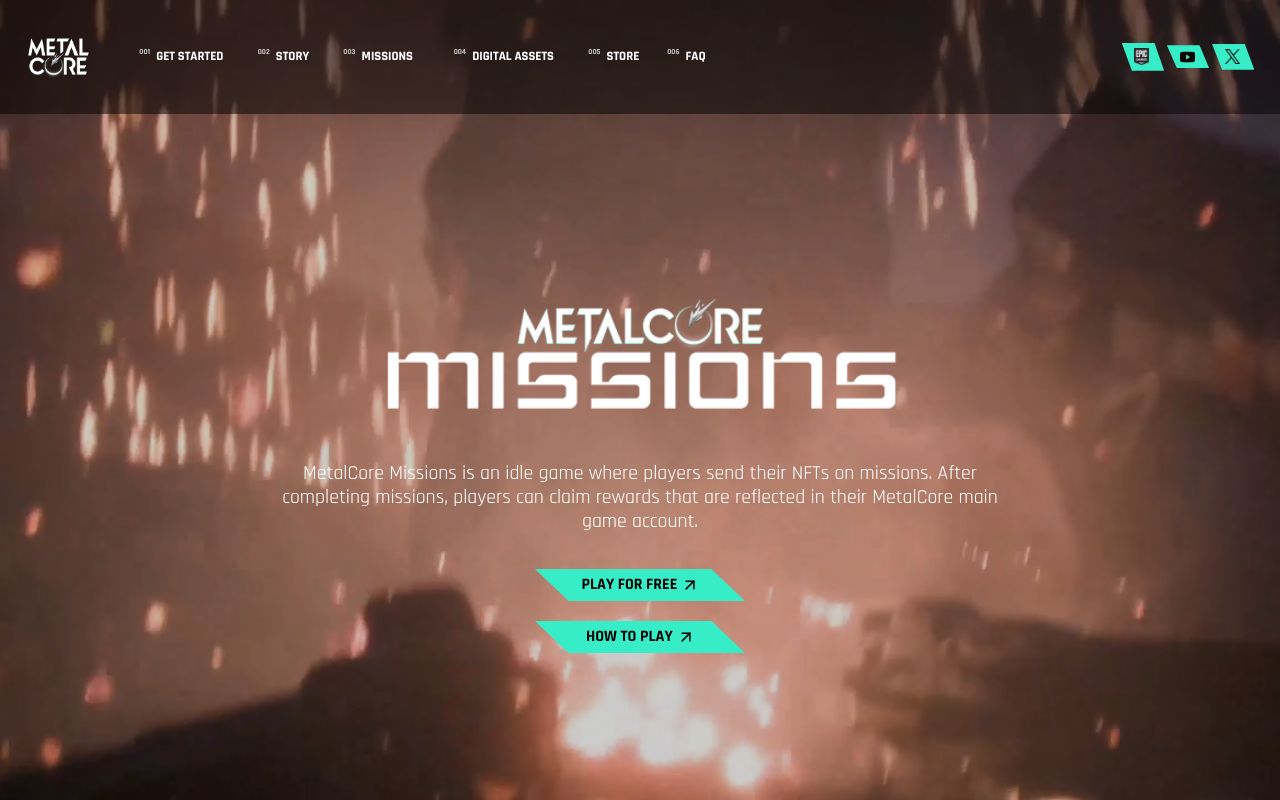
Top 5 Supremacy Alternatives of 2026
War-Ready Web3 Strategy Games to Try in 2026
Supremacy-style strategy games are exciting because they mix long-term planning with real player-driven economies. Instead of only grinding levels, you build units, control territory, and try to outsmart opponents who are also adapting in real time. Additionally, this category matters because it rewards skill, coordination, and patience, not just fast clicking.
What makes these games stand out in crypto is ownership. With Blockchain Features like tradable assets, player-run markets, and transparent on-chain activity, your progress can hold value outside the game. Notably, many of these projects aim to be truly decentralized over time, meaning the community can influence updates, balancing, and even tournament formats. Therefore, you are not only playing a game, you are joining a digital economy that can keep evolving.
Another big reason people look for Supremacy alternatives is variety. Some games focus on mech combat, others on fleet warfare, and some on tactical card-based strategy. Moreover, newer 2025 and 2026 releases often improve onboarding, add mobile-friendly play, and minimize pay-to-win pressure with smarter reward systems. Consequently, players can find strategy experiences that fit their style, whether they want short battles or weeks-long campaigns.
Here are the 5 best Supremacy alternatives currently leading the industry.
Best Supremacy Alternatives of 2026
1. MetalCore – Mechs, Factions, and Territory Control

MetalCore earns its spot by combining large-scale faction warfare with customizable mech builds that feel meaningful over time. This strategy-forward PvP experience operates around squad composition, territory pressure, and coordinated objectives. Notably, the game leans into progression that rewards smart play, not just raw spending.
What sets MetalCore apart is its mix of open-world conflict and structured competitive modes. Specifically, players can specialize into roles that support team tactics. Additionally, crafting and upgrading feeds into long-term planning rather than one-off matches. Moreover, faction identity makes battles feel like ongoing campaigns instead of isolated fights. Consequently, with sustained goals and player-driven competition, MetalCore delivers a strong Supremacy-like war loop.
Pros: Deep faction warfare, strong mech customization, long-term objectives
Contra: Can feel complex early on, coordination helps a lot
2. Seraph: In the Darkness – Tactical Progression With Real Ownership

Seraph stands out with strategy-heavy build decisions and a strong focus on loot, upgrades, and market activity. This action-RPG strategy blend operates through optimizing gear, managing resources, and choosing the right content to farm for your playstyle. Notably, it offers a clear path for players who enjoy planning efficient progress.
What sets Seraph apart is how it ties progression into tradable systems without making the game feel like a spreadsheet. Specifically, you can develop different builds for different activities. Additionally, the economy angle adds a layer of decision-making beyond combat. Moreover, updates in the 2025–2026 period have pushed smoother onboarding and clearer goals. Consequently, with smart progression and player-driven trading, Seraph delivers a compelling alternative for strategy-first grinders.
Pros: Strong build planning, engaging progression loop, economy adds depth
Contra: Less “grand strategy” feel than pure war sims
3. Sortium – Space Strategy With Player-Run Economics
Sortium targets players who want a slower, more strategic pace with space exploration and resource control. This sci-fi strategy experience operates around managing assets, optimizing routes, and choosing when to expand or consolidate. Notably, it appeals to players who like planning and economic pressure more than quick reflex combat.
What sets Sortium apart is its economic gameplay loop. Specifically, you can build toward production, trade, or expansion depending on your risk tolerance. Additionally, the space theme makes long-term decisions feel big and consequential. Moreover, player interaction can create real supply and demand shifts. Consequently, with careful decision-making and market-driven strategy, Sortium delivers a Supremacy-style “think ahead” experience in a fresh setting.
Pros: Great for planners, strong economy focus, chill long-term gameplay
Contra: Slower pace may not fit action-first players
4. The Machines Arena – Skill Combat With Tactical Team Play
The Machines Arena brings tight competitive matches where positioning and team composition matter. This PvP-focused title operates with quick rounds, readable abilities, and a strong emphasis on coordination. Notably, it works well for players who want strategy through movement, timing, and counterplay.
What sets The Machines Arena apart is how accessible it feels while still rewarding mastery. Specifically, you can learn the basics fast and still improve for months. Additionally, match formats encourage communication and smart rotations. Moreover, the esports-like design makes progression feel goal-based rather than grind-based. Consequently, with tactical team fights and consistent competitive structure, The Machines Arena delivers a modern alternative if you like Supremacy’s PvP pressure.
Pros: Fast competitive matches, tactical teamwork, easy to start
Contra: Less empire-building, more arena-style combat
5. Parallel – Tactical Card Strategy With High Skill Ceiling
Parallel is a strategy pick for players who love outsmarting opponents with tight decision-making. This sci-fi card battler operates around predicting plays, managing resources each turn, and building decks with clear win conditions. Notably, it rewards players who think ahead and adapt to the meta.
What sets Parallel apart is the depth per match. Specifically, every turn can swing the game if you misread your opponent. Additionally, deck-building gives long-term goals without requiring massive time commitments. Moreover, the competitive scene keeps matches fresh as strategies evolve. Consequently, with smart tactical play and a strong skill curve, Parallel delivers a Supremacy alternative for players who want war-games energy in a fast, strategic format.
Pros: High strategy density, strong competitive play, great deck-building
Contra: Not for players who dislike card RNG
The Supremacy Advantage
These Supremacy alternatives share clear benefits: competitive strategy, real ownership through Blockchain Features, and economies shaped by players instead of only developers. Additionally, they push fairer progression by rewarding planning, teamwork, and mastery. Consequently, this category represents the future because it mixes truly decentralized value with games that stay competitive for years.
Comparison Table
| Game | Best For | Strategy Style |
|---|---|---|
| MetalCore | Faction warfare and territory goals | Campaign-style PvP wars |
| Seraph: In the Darkness | Build optimization and progression | RPG strategy and economy planning |
| Sortium | Economic control and long-term planning | Space resource strategy |
| The Machines Arena | Competitive team tactics | Short-match PvP strategy |
| Parallel | High-skill tactical decision-making | Card-based competitive strategy |
Note: “Best For” reflects the main player goal, while “Strategy Style” describes how decision-making shows up in real gameplay.