By Admin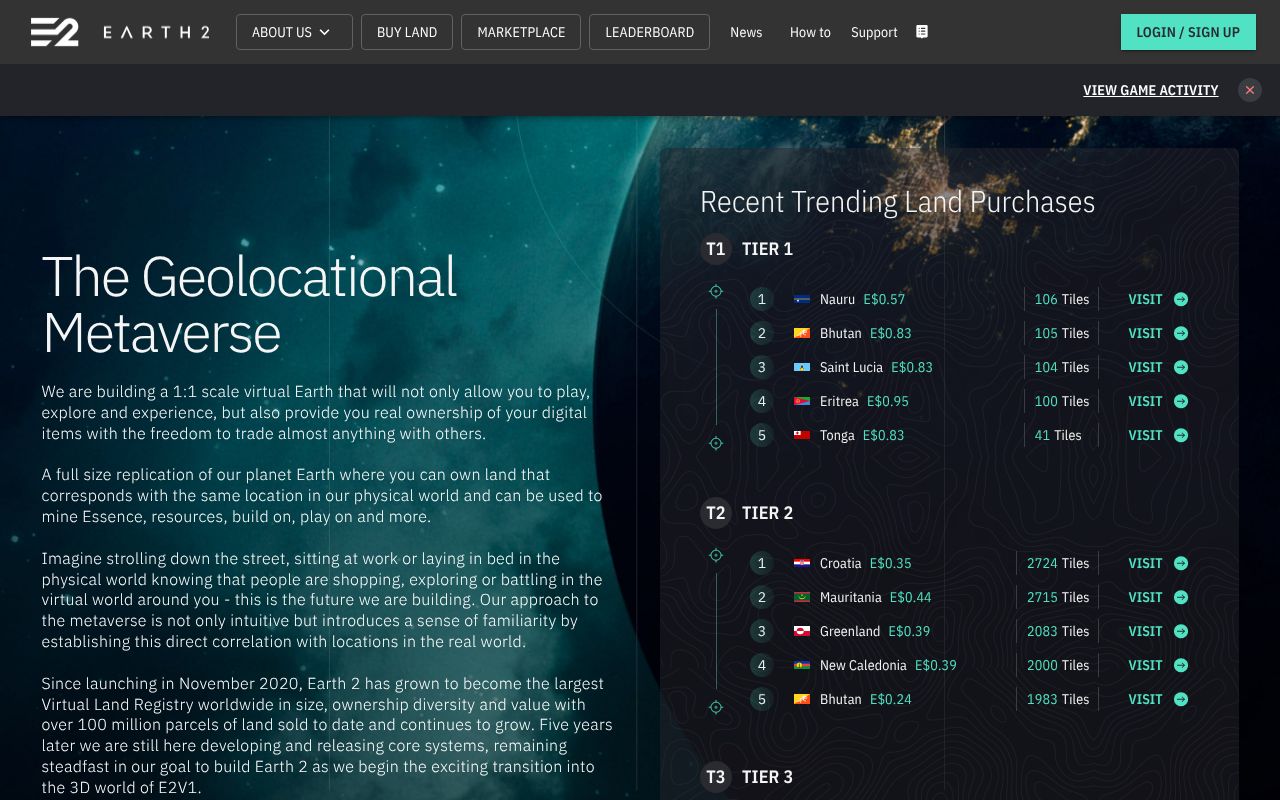
Top 5 Upland Game alternative’s of 2026
Play-to-Own Metaverse Picks for 2026
Upland proved that virtual property can be fun when it feels like a real game, not just a marketplace. Players want to buy land, earn rewards, trade items, and build social status in a world that keeps updating. That is why Upland-style games are still growing fast in 2026, especially among people who want simple gameplay with real ownership.
This category matters because digital ownership is finally becoming practical. When your assets are on-chain, you can sell them, use them across features, or hold them long-term without relying on a single company’s database. Notably, many newer projects are improving on Upland by adding smoother onboarding, better crafting loops, and more reasons to use your property every day. Additionally, the best titles now treat land as a gameplay tool, not just something you flip.
Blockchain Features are also getting easier for normal players. Wallet creation is simpler, gas costs are often hidden or reduced, and marketplaces are built directly into the game. Moreover, some games are pushing toward truly decentralized economies where player activity drives demand for items, upgrades, and locations.
If you like Upland’s “own a piece of the world” feel, but want fresher mechanics and newer economies, the next options are worth your time. Here are the 5 best Upland game currently leading the industry.
Top Upland Alternative Picks
1. Earth 2 – Geosim Land With Resource Strategy

Earth 2 topping our list as the most recognizable geo-based land alternative with a heavy focus on resources and long-term upgrades. This virtual-world Platform/Game operates around land tiles tied to real-world map locations, which creates a familiar “collect and expand” loop. Notably, Earth 2 excels in giving land a purpose through production, systems, and future-facing utility.
What sets Earth 2 apart is its resource-driven ownership model. Specifically, land can be developed toward outputs that plug into broader gameplay systems as they roll out. Additionally, the market activity around tiles creates a steady trading loop for collectors. Moreover, the project’s emphasis on simulation and progression keeps land from feeling like a static collectible. Consequently, with strategy and upgrades at the center, Earth 2 delivers a more planned “build over time” experience.
Pros (green):
- Strong geo-based land concept that is easy to understand
- Land feels tied to progression and long-term upgrades
Contra (black):
- Some features depend on phased rollouts
- Can feel complex for casual players at first
2. Parallel – Sci‑Fi Cards With Real Asset Ownership

Parallel topping our list as the cleanest “own your assets” option for players who prefer competitive gameplay over city collecting. This Platform/Game operates as a sci‑fi trading card game where cards are digital assets you can hold and trade. Notably, Parallel excels in making blockchain ownership feel invisible during normal play.
What sets Parallel apart is its polished gameplay loop and collectible design. Specifically, matches are quick, skill-based, and easy to learn. Additionally, asset rarity and deck building create real demand for specific cards instead of random hype. Moreover, the ecosystem supports trading without forcing players to become crypto experts. Consequently, with strong game feel and real ownership, Parallel delivers a practical alternative for players who want utility-first assets.
Pros (green):
- Real asset ownership without clunky onboarding
- Skill-based gameplay with real collectible demand
Contra (black):
- Not a land-focused metaverse like Upland
- Competitive meta can shift fast
3. Big Time – Action RPG With Player‑Driven Item Economy

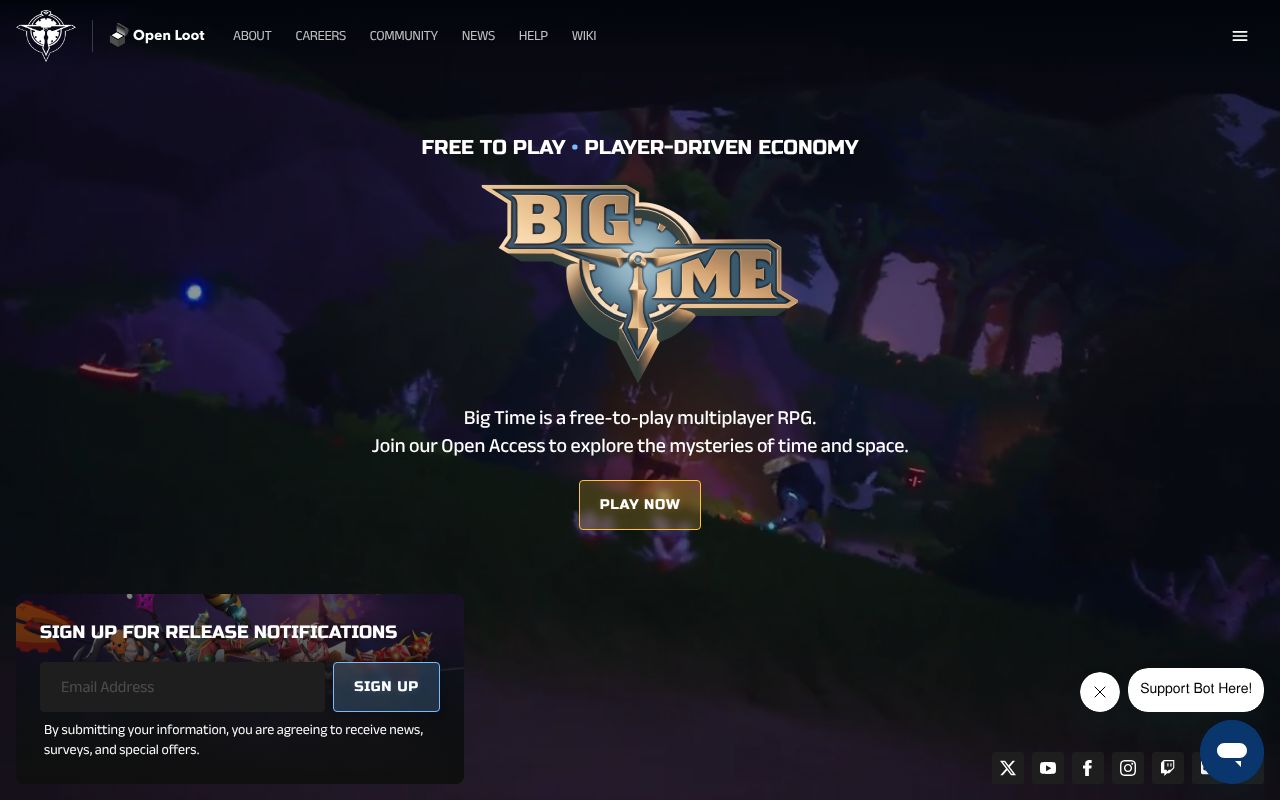
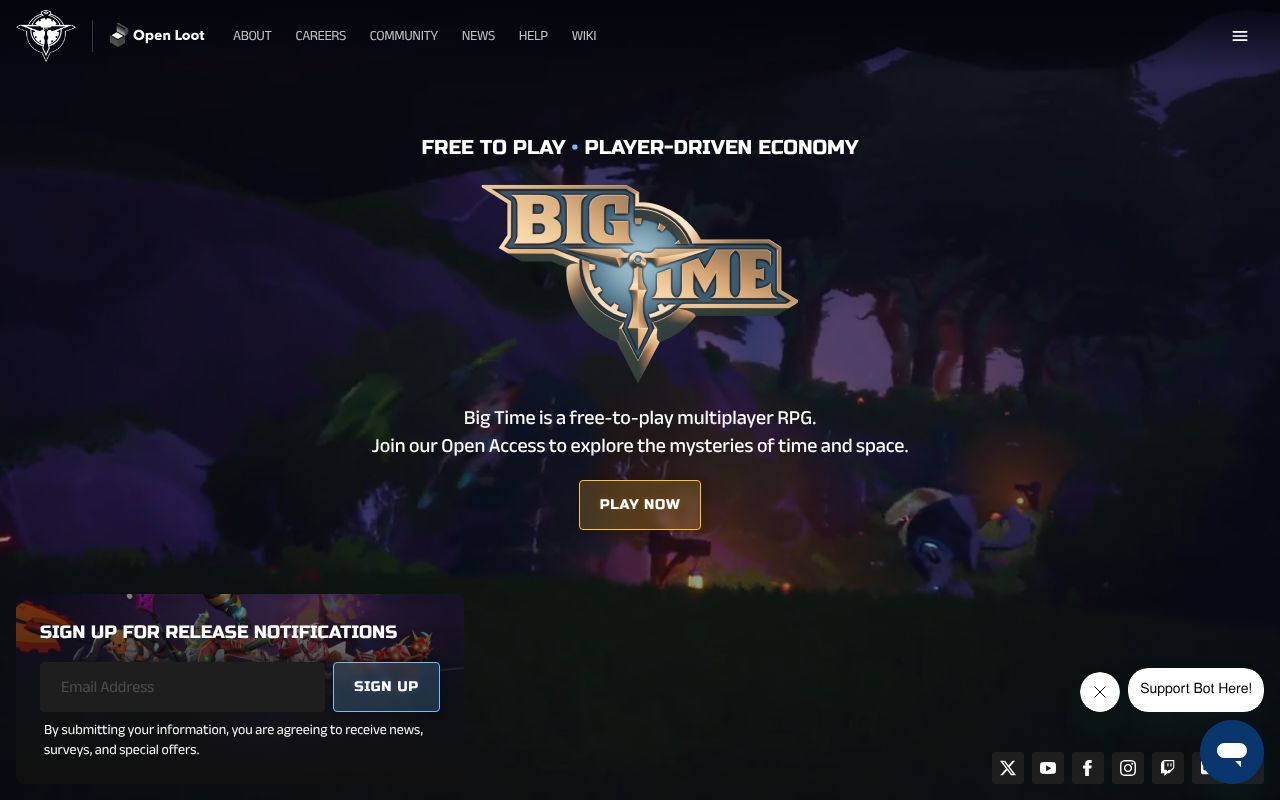
Big Time topping our list as the best alternative for Upland fans who actually want fast gameplay while still keeping ownership. This Platform/Game operates as an action RPG where cosmetics and craftable items can be owned and traded. Notably, Big Time excels in delivering a game-first experience while still supporting a player economy.
What sets Big Time apart is its focus on crafting and time-based progression systems. Specifically, players can run content, earn drops, and use crafting to create valuable items. Additionally, the market loop is easy to grasp because items have clear visual value and status appeal. Moreover, the experience feels like a real game rather than a pure trading app. Consequently, with action combat and tradable upgrades, Big Time delivers ownership with fun as the main hook.
Pros (green):
- Game-first design with ownership as a bonus
- Strong crafting and trading loop for items
Contra (black):
- Less “property collection” than Upland
- Economy depends on active player demand
4. Illuvium – Creature Collecting With Open Market Utility
Illuvium topping our list as the best “collect and grow” alternative if you like acquiring assets and building a roster. This Platform/Game operates around capturing and upgrading creatures, then using them in battles and progression modes. Notably, Illuvium excels in giving collectibles clear use-cases, not just resale value.
What sets Illuvium apart is its combination of collection and strategy. Specifically, your creatures impact how you fight, farm, and advance. Additionally, scarcity and build variety can make certain assets valuable for real gameplay reasons. Moreover, the project supports an economy where demand is driven by players optimizing teams. Consequently, with gameplay-linked value and market activity, Illuvium delivers a stronger utility loop than most “own-to-win” concepts.
Pros (green):
- Collectibles have direct gameplay utility
- Strong progression loop for long-term players
Contra (black):
- Can be time-intensive to progress efficiently
- Not focused on map-based land ownership
5. Star Atlas – Space Assets, Factions, and Long-Term Ownership
Star Atlas topping our list as the most ambitious Upland-style alternative for players who want ownership tied to a bigger universe theme. This Platform/Game operates around space assets such as ships and infrastructure, with an economy designed for long-term participation. Notably, Star Atlas excels in worldbuilding and the idea of asset utility inside a larger social system.
What sets Star Atlas apart is its faction and ecosystem direction. Specifically, assets are meant to connect to exploration, resource loops, and coordinated play. Additionally, the universe theme makes collecting feel like building a personal identity, not just a portfolio. Moreover, social coordination can create demand for certain roles and tools. Consequently, with a broad economy vision, Star Atlas delivers a metaverse-style ownership path beyond simple land tiles.
Pros (green):
- Strong metaverse theme and ownership identity
- Assets designed for broader ecosystem utility
Contra (black):
- Ambitious scope can mean slower feature pacing
- Best experience may require deeper involvement
The Upland Alternative Advantage
These Upland-style alternatives share a simple goal: let players own useful digital assets that can be traded, upgraded, or shown off. Additionally, they focus on loops that keep ownership meaningful through crafting, competition, or progression. Consequently, this category points to the future of gaming where players keep value, not just memories.
Comparison Table
| Platform/Game | Best For | Ownership Focus |
|---|---|---|
| Earth 2 | Geo-based collectors and long-term builders | Land tiles, resources, upgrades |
| Parallel | Competitive players who want tradable cards | Card assets with gameplay demand |
| Big Time | Action RPG fans who like trading items | Crafted cosmetics and tradable drops |
| Illuvium | Collectors who want utility and progression | Creature collection tied to battles |
| Star Atlas | Metaverse fans who like big universe systems | Ships and infrastructure for ecosystem play |
Note: “Best For” highlights the main player type each project targets. “Ownership Focus” summarizes what you actually hold and trade, which is the core utility signal for Upland-style alternatives.