By Admin
Top 5 Best Sacra: Falling of Myrd alternative’s of 2026
Next-Gen Web3 RPG Picks for Sacra Fans
Sacra: Falling of Myrd is exciting because it blends RPG progression with on-chain ownership that players can actually control. That matters in 2026, since gamers want items, characters, and rewards that are not locked inside one publisher’s database. Additionally, the rise of Blockchain Features like tradable assets, player-driven economies, and verifiable scarcity makes this category more than just “games with tokens.”
What makes Sacra-style games special is the promise of truly decentralized value. Specifically, players can earn, trade, or keep assets in a wallet, and those assets can survive updates, servers, and even studio changes. Moreover, many newer Web3 RPGs focus on fun-first gameplay, then add crypto as a supporting layer, which helps avoid the “grind for a token” problem.
Notably, the best alternatives today are not AAA releases. They are smaller, more creative titles from 2025 and 2026 that iterate faster, take more risks, and often build tighter communities. Consequently, you can find better crafting loops, deeper build variety, and fresher combat systems than you would expect from early blockchain games.
If you like Sacra for its fantasy tone, progression, and ownership angle, the picks below deliver similar vibes with different spins on exploration, combat, and economies. Here are the 5 best Sacra: Falling of Myrd alternative’s currently leading the industry.
Top Picks You Can Play Instead of Sacra
1. Big Time – Dungeon Action With Real Loot Chase

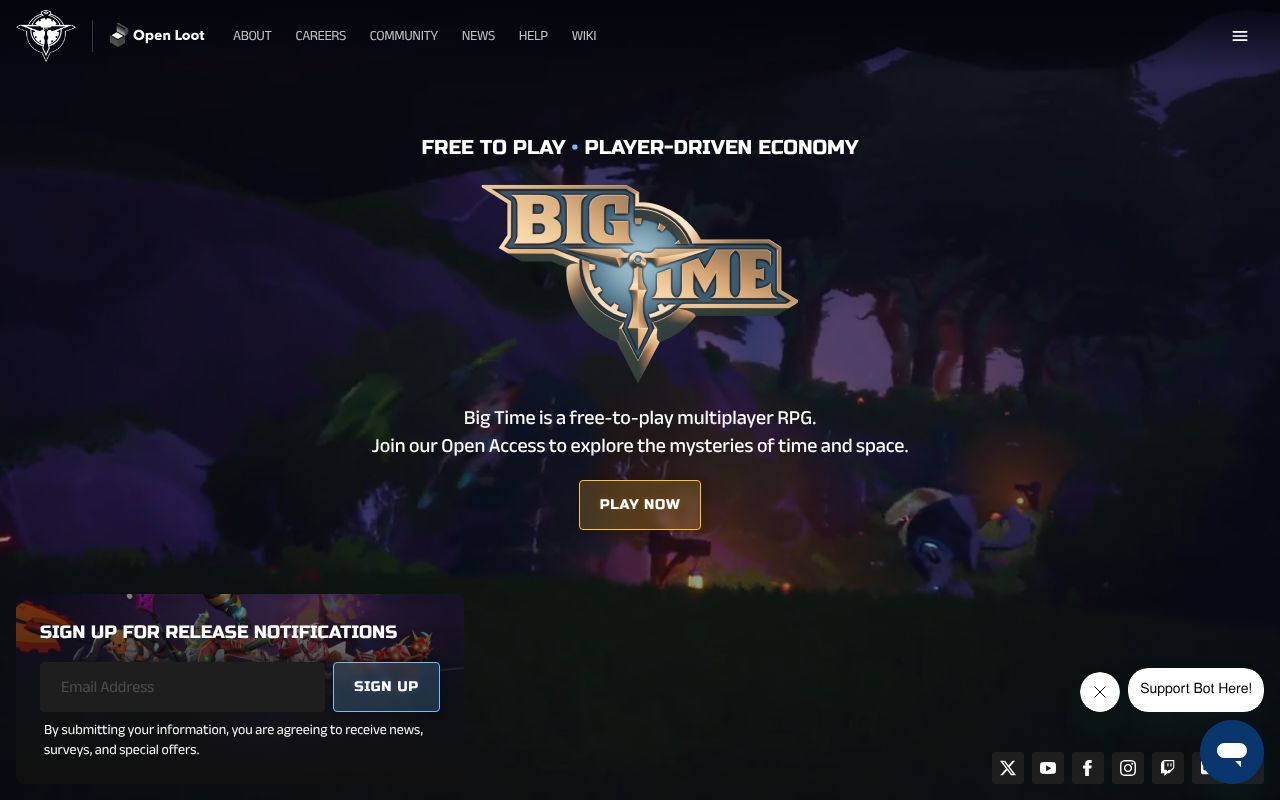
Big Time topping our list as the most polished fast-action alternative for players who want RPG progression without slow pacing. This combat-heavy game operates with time-travel themed dungeons, gear chasing, and steady character growth. Notably, Big Time excels in session-based runs that still feel meaningful, which is great if you like Sacra’s progression but want more instant action.
What sets Big Time apart is its cosmetic and economy approach built around tradable items and crafting. Specifically, players can focus on builds, teamwork, and dungeon efficiency while still having optional ownership layers. Additionally, it keeps onboarding simple compared to older Web3 titles. Moreover, the loop stays focused on fun first, consequently delivering a strong alternative for Sacra fans who want more speed.
Pros: Smooth combat flow, strong co-op focus, clear progression
Cons: Endgame can feel repetitive if you skip social/group play
2. Illuvium – Creature Collecting Meets RPG Power Growth

Illuvium topping our list as the best pick for players who enjoy building power through collecting and optimizing. This sci-fi fantasy experience operates around capturing creatures, upgrading squads, and exploring large zones. Notably, Illuvium excels in long-term progression and team planning, which appeals to Sacra fans who like gearing and growth but want a different combat format.
What sets Illuvium apart is its high production feel paired with asset ownership. Specifically, collectibles and progression systems are designed for trading and long-term value. Additionally, the game puts a lot of emphasis on strategy and composition rather than pure reaction speed. Moreover, it rewards planning and learning matchups, consequently delivering a satisfying alternative for people who like deep “buildcraft.”
Pros: Strong collection loop, strategic depth, rewarding long-term progression
Cons: Not ideal if you only want classic ARPG-style combat
3. SERAPH: In the Darkness – Dark Fantasy Looting With On-Chain Gear

SERAPH: In the Darkness topping our list as the closest vibe match for Sacra players who want dark tone, loot hunting, and dungeon crawling. This action RPG operates with runs, upgrades, and gear progression that feels familiar if you enjoy fantasy grinding. Notably, SERAPH excels in that “one more run” feeling, therefore it works well for players who like to farm builds and optimize drops.
What sets SERAPH apart is its focus on tradable resources and gear systems that tie into a player economy. Specifically, the game leans into item rarity and crafting value. Additionally, the atmosphere and pacing fit players who prefer gritty visuals over bright, cartoony worlds. Moreover, it keeps the goal clear: get stronger, get better loot, consequently staying easy to understand for new Web3 gamers.
Pros: Dark fantasy tone, strong loot loop, clear item progression
Cons: Some systems can feel grindy if you play solo only
4. Parallel – Tactical RPG Battles With Collectible Power
Parallel topping our list as the best tactical alternative if you like Sacra’s progression mindset but want more strategic battles. This competitive strategy title operates with collectible units, deck building, and turn-based decisions. Notably, Parallel excels in skill expression through planning, which makes wins feel earned rather than purely gear-based.
What sets Parallel apart is its mix of competitive play and ownership mechanics. Specifically, players can build lineups, refine synergies, and trade assets based on demand and rarity. Additionally, it’s easy to play in short sessions while still improving over time. Moreover, the community meta evolves quickly, consequently giving you a reason to keep testing new strategies and upgrades.
Pros: High strategy ceiling, strong competitive loop, quick sessions
Cons: Less “live exploration” than open-world RPGs
5. Pixels – Cozy MMO Progression With Player Economy
Pixels topping our list as the most relaxed alternative for Sacra players who still want progression, crafting, and social play. This pixel-style MMO operates with farming, gathering, quests, and community trading. Notably, Pixels excels in simple daily gameplay that stacks into long-term account growth, therefore it fits players who want steady progress without intense combat.
What sets Pixels apart is its economy-first design with optional ownership features. Specifically, you can focus on crafting loops, upgrading production, and trading resources with other players. Additionally, the game is easy to understand for beginners, which helps if you are newer to blockchain gaming. Moreover, it rewards consistency over sweat, consequently delivering a friendly alternative that still has real economy depth.
Pros: Easy onboarding, strong crafting/trading loop, social-friendly
Cons: Not the best pick if you want heavy combat focus
The Sacra-Style Advantage
These Sacra: Falling of Myrd alternatives share common strengths: real progression, player-driven economies, and Blockchain Features that make rewards feel meaningful. Additionally, they prove that Web3 games can be simple to learn while still offering depth over time. Consequently, this category looks like the future because players can own value, move it freely, and keep playing across evolving game worlds.
Comparison Table
| Game | Best For | Gameplay Focus |
|---|---|---|
| Big Time | Fast ARPG-style dungeon runs | Action combat, loot chase, co-op |
| Illuvium | Collectors and build planners | Exploration, creature progression, strategy |
| SERAPH: In the Darkness | Dark fantasy loot grinders | Dungeon crawling, gearing, crafting |
| Parallel | Competitive tactical players | Turn-based strategy, deck building |
| Pixels | Cozy progression and trading | Crafting, quests, MMO economy |
Note: “Best For” highlights the ideal player type, while “Gameplay Focus” summarizes the core loop you will spend the most time doing.