By Admin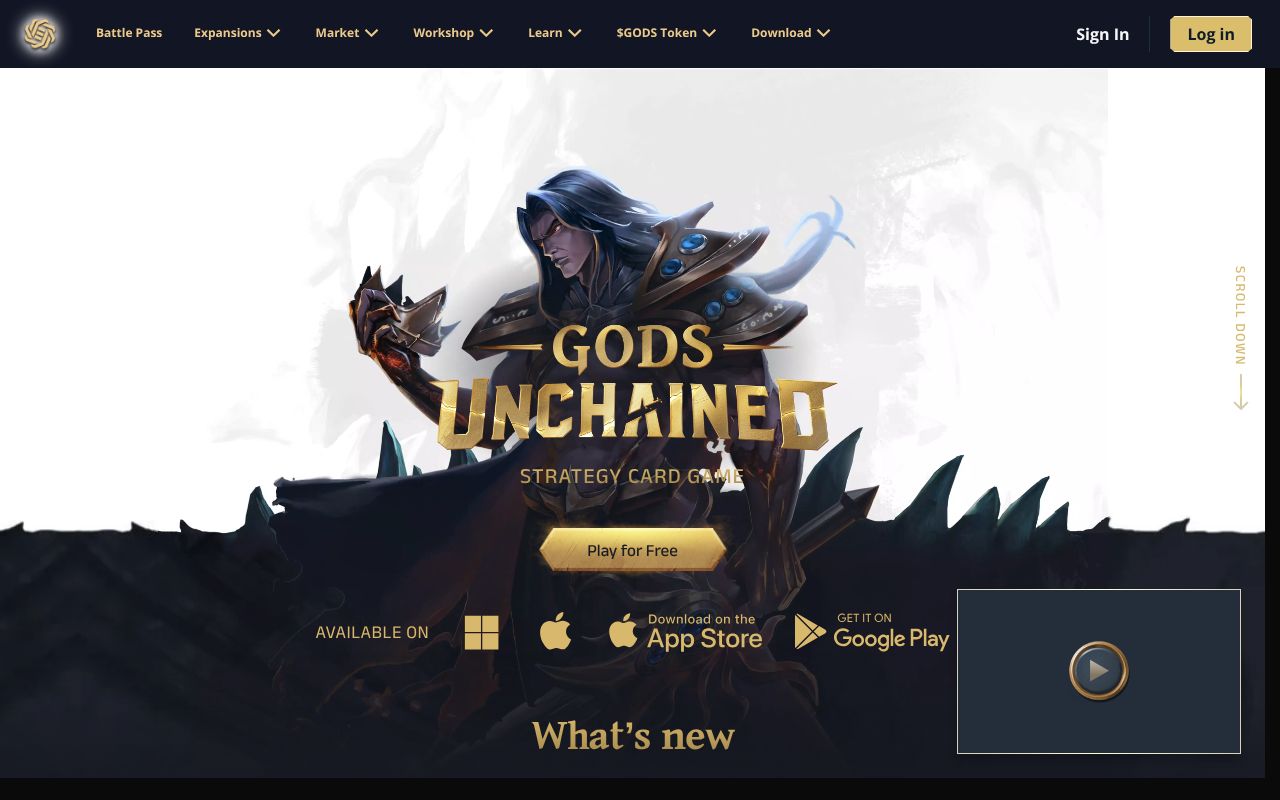
Top 5 Best Shardbound alternative’s of 2026
Tactical Web3 card games players actually stick with in 2026
Shardbound helped popularize the idea that a tactical grid battler can feel fresh again when deckbuilding, positioning, and smart tempo decisions all matter. Players who like that mix often want more options, mainly because they want faster updates, cleaner onboarding, and better on-chain ownership. That is where modern Web3 titles step in, offering Blockchain Features like NFT-based cosmetics, tradable cards, crafting economies, and tokenized progression that can move with you instead of being locked to one account.
In 2026, the best Shardbound-style games focus on two things: gameplay first, and ownership second. Additionally, they are starting to reduce friction with wallet-less sign-in, simpler marketplaces, and clearer in-game value. Notably, the most promising teams are not giant AAA studios, yet they ship often and listen closely to community balance feedback, which keeps the meta healthy.
Another big reason this category matters is fairness. Truly decentralized ownership can reduce the risk of players losing all progress if a publisher changes its rules. Moreover, cross-chain support is becoming common, so players can trade items on open markets, bridge assets, and keep a consistent identity across ecosystems. Consequently, you get more freedom, more liquidity, and a stronger player-driven economy.
If you like Shardbound’s tactical depth and card-based strategy, these newer titles are worth checking out because they push the formula in different directions while keeping the same core thrill of outthinking your opponent. Here are the 5 best Shardbound alternative’s currently leading the industry.
Best Shardbound-style games to play this year
1. Gods Unchained – Competitive Card Battles With Real Ownership

Gods Unchained topping our list as the most proven skill-focused alternative for players who enjoy tight card combat and clear win conditions. This competitive card game operates with tradable, player-owned cards, making collecting and upgrading feel meaningful. Notably, Gods Unchained excels in polished fundamentals, with readable combat, smart keyword design, and a meta that evolves through frequent balance changes.
What sets Gods Unchained apart is its mature economy and active player base. Specifically, you can earn rewards through play and convert progress into tradable assets. Additionally, the crafting and collection systems encourage long-term mastery rather than quick flips. Moreover, it remains approachable for new players while still rewarding high-level sequencing and deck knowledge. Consequently, with strong PvP and reliable ownership, Gods Unchained delivers consistent competitive value.
Pros (green)
– Strong PvP focus and stable updates
– Tradable cards with real collection value
Cons (black)
– Less grid tactics than Shardbound
– Meta can feel sharp for beginners
2. Skyweaver – Smooth Onboarding, Clean Strategy

Skyweaver topping our list as the easiest Shardbound-style pivot for players who want strategy without friction. This sleek card battler operates with a modern client and quick match flow, so you spend more time playing and less time managing menus. Notably, Skyweaver excels in accessibility, with clear UI, fast turns, and deck experimentation that does not feel punishing.
What sets Skyweaver apart is its player-friendly approach to earning and collecting. Specifically, progression is designed to keep matches fair and rewarding, even if you are not spending heavily. Additionally, the game’s pacing makes it ideal for short sessions while still supporting deep decision-making. Moreover, trading and ownership mechanics are integrated in a way that does not overwhelm new users. Consequently, with smooth gameplay loops, Skyweaver delivers sharp strategy with low barrier to entry.
Pros (green)
– Very clean UI and quick matches
– Beginner-friendly progression and learning curve
Cons (black)
– Lower tactical positioning compared to grid battlers
– Competitive depth depends on current formats
3. Parallel – Premium Sci‑Fi Deckbuilding With High Skill Ceiling

Parallel topping our list as the most “premium-feeling” alternative for players chasing high-level deckbuilding and tight matchups. This sci‑fi card game operates with faction identity and strong card synergy, pushing you to plan several turns ahead. Notably, Parallel excels in presentation, with standout art direction and a tone that feels serious without being confusing.
What sets Parallel apart is its focus on competitive structure and collectible value. Specifically, cards and cosmetics are designed for ownership and long-term collecting. Additionally, the gameplay rewards sequencing, resource planning, and matchup knowledge, which Shardbound fans often love. Moreover, the community meta discussion is active, so it is easy to find builds and improve fast. Consequently, with sharp card design and strong style, Parallel delivers a high-skill Web3 card experience.
Pros (green)
– Great art and premium polish
– Deep deckbuilding and strong faction identity
Cons (black)
– Can be complex early on
– Higher competition pressure in ranked play
4. Phantom Galaxies – Tactical Mech Combat With Web3 Progression
Phantom Galaxies topping our list as the best pick if you want tactical combat that feels more like controlling units than just playing cards. This mech action RPG operates with progression systems and tradable assets, giving you a sense of building a hangar that matters. Notably, Phantom Galaxies excels in combat feel, where movement, timing, and build choices can swing fights.
What sets Phantom Galaxies apart is its blend of action and ownership. Specifically, upgrades and gear loops are designed to support long-term play. Additionally, it offers a different type of tactical decision-making than pure card games, which keeps the genre fresh. Moreover, it can appeal to Shardbound fans who enjoy positioning and loadout planning more than hand management. Consequently, with focused progression and collectible mechanics, Phantom Galaxies delivers tactical variety beyond classic CCG format.
Pros (green)
– Strong action tactics and build variety
– Progression and ownership give long-term goals
Cons (black)
– Not a pure card battler
– Requires more time per session
5. Influence – Deep Strategy Economy With Player-Driven Control
Influence topping our list as the most strategic “thinking player” alternative for fans who like planning, systems, and long-term advantage. This space strategy game operates around resource management, logistics, and player governance, which creates meaningful choices every session. Notably, Influence excels in strategic depth, where smart decisions compound and patience matters.
What sets Influence apart is its player-driven structure and ownership model. Specifically, assets and actions are built around an on-chain foundation that supports real control. Additionally, the economic gameplay encourages trade, specialization, and alliances, instead of only short PvP matches. Moreover, it scratches the same “outplay with planning” itch Shardbound players enjoy, even though the format is different. Consequently, with long horizon strategy, Influence delivers a truly decentralized approach to competitive play.
Pros (green)
– Very deep strategy and economy systems
– Strong sense of player agency and ownership
Cons (black)
– Slower pace than match-based games
– Learning curve is higher
The Shardbound alternative’s Advantage
These Shardbound alternative’s share a clear benefit: they combine strategy-first gameplay with Blockchain Features like tradable items, player-owned progression, and economies that can live beyond a single publisher. Additionally, they reward skill and planning instead of only grinding. Consequently, this category points to the future of competitive games where players can actually keep value, build communities, and shape how the game world evolves.
Comparison table
| Game | Core type | Best for |
|---|---|---|
| Gods Unchained | Competitive trading card game | Ranked PvP and collectible card ownership |
| Skyweaver | Fast, accessible card battler | Quick matches and easy onboarding |
| Parallel | Premium sci‑fi CCG | High skill ceiling and faction deckbuilding |
| Phantom Galaxies | Tactical mech action RPG | Loadouts, movement, and progression-based tactics |
| Influence | On-chain space strategy economy | Long-term planning, trade, and player governance |
Note: “Core type” describes the main gameplay loop, while “Best for” highlights the most common reason players pick each game, such as ranked PvP, onboarding speed, buildcraft, tactical combat, or long-term economic strategy.