By Admin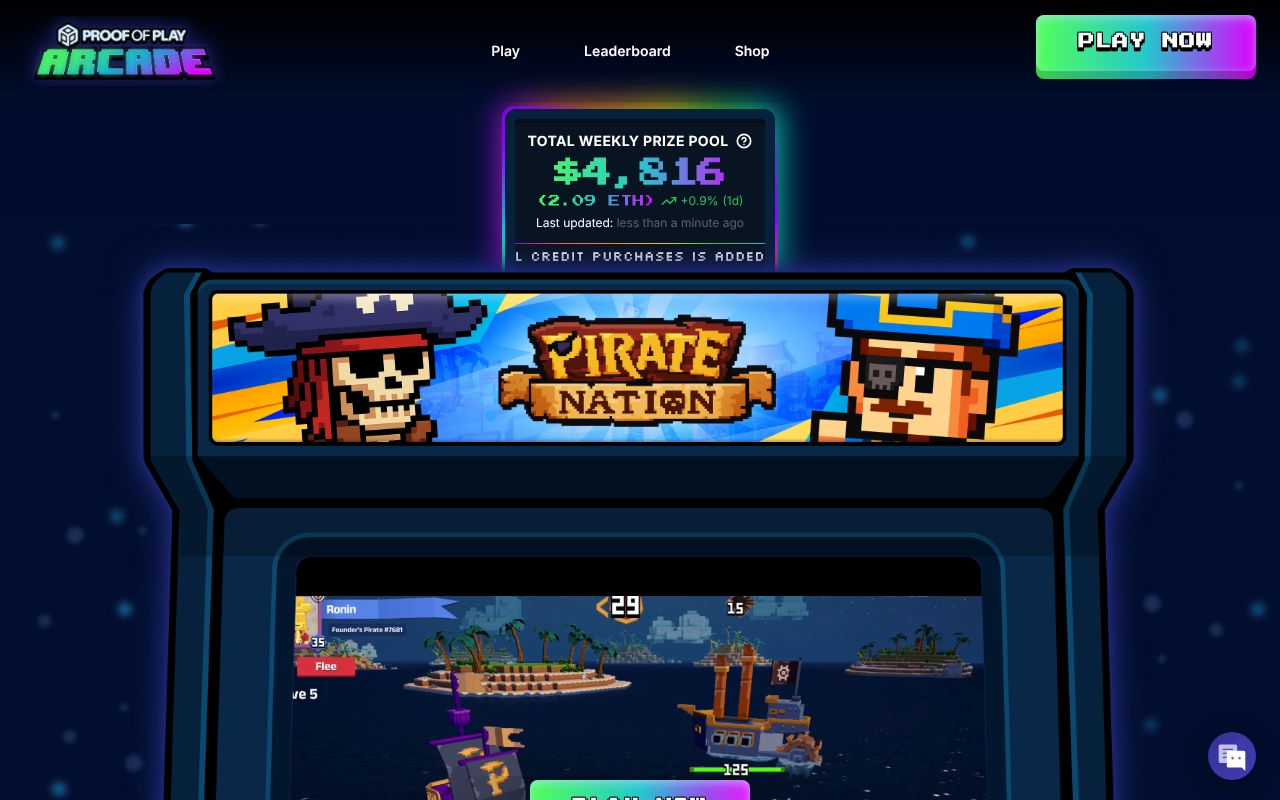
Top 5 Sky Strife alternative’s of 2026
Next-Gen Onchain Strategy Picks for 2026
Sky Strife has shown how fun strategy gameplay can be when it is tied to blockchain features like real ownership, onchain progression, and open economies players can actually use. If you like the core idea, tactical battles, smart unit choices, and skill-driven outcomes, then you probably also care about the parts that make Web3 games different. Specifically, you want transparent rules, tradable assets, and the option to move value outside the game without begging a publisher.
This category matters because strategy games reward time and knowledge, and blockchain can turn that effort into something you truly own. Additionally, many new projects are building with truly decentralized goals like player-driven markets, open asset standards, and community-first development. Notably, the best newer titles avoid pay-to-win traps by focusing on competitive balance, limited advantages, or cosmetic-first economies.
Moreover, 2025 and 2026 have brought a wave of smaller, more experimental games that are not AAA, yet they do interesting things with onchain items, seasonal campaigns, and social play. Consequently, if you are looking for Sky Strife-style energy, but want fresh mechanics, different settings, or stronger ownership tools, there are solid choices already live or actively shipping content.
Here are the 5 best Sky Strife alternative’s currently leading the industry.
Smart Picks Like Sky Strife (But Different)
1. Pirate Nation – Tactical Raids With Real Loot

Pirate Nation topping our list as a strategy-first Web3 game that keeps sessions fast while still rewarding planning. This pirate-themed title operates around turn-based encounters, crew building, and loot progression that can be owned and traded. Notably, Pirate Nation excels in its repeatable gameplay loop, where daily activities still feel meaningful rather than grindy.
What sets Pirate Nation apart is its strong economy design and steady content cadence. Specifically, you build a crew, target objectives, and optimize outcomes with smart choices instead of pure spending. Additionally, the game leans into clear item utility so assets feel like tools, not just collectibles. Moreover, the world theme is easy to understand, which lowers the learning curve. Consequently, with tactical depth and real ownership, Pirate Nation delivers a clean alternative for Sky Strife fans who want more progression and loot.
- Pro: Strong progression loop with real item utility
- Pro: Easy to learn theme with deeper optimization later
- Contra: Some features feel best when played consistently
2. Realms (Loot Survivors / Bibliotheca) – Onchain Worlds You Can Actually Build

Realms topping our list as one of the most “crypto-native” ecosystems that still feels like a game universe, not a marketplace. This project operates as an onchain fantasy stack where land, structures, and items can connect across multiple experiences. Notably, Realms excels in composability, meaning different games and tools can use the same onchain assets.
What sets Realms apart is its builder-driven approach. Specifically, you are not stuck waiting for a single studio to deliver every feature. Additionally, the broader ecosystem encourages community-made utilities and gameplay layers. Moreover, its onchain identity makes ownership and persistence a core feature instead of a marketing line. Consequently, with truly decentralized building blocks, Realms delivers a powerful Sky Strife alternative if you enjoy strategy, planning, and long-term world development.
- Pro: Deep onchain ownership and composability
- Pro: Ecosystem supports multiple connected experiences
- Contra: Less “single game” structure, more ecosystem to explore
3. Lattice (MUD-based games) – Strategy Sandboxes With Onchain Rules

Lattice topping our list as the best option for players who care about systems more than graphics. This MUD-based framework operates with onchain game logic, meaning rules, state, and interactions can be transparent and persistent. Notably, Lattice excels in enabling strategy-heavy experiences where player choices shape outcomes over time.
What sets Lattice apart is its “game as a protocol” style. Specifically, developers can build interoperable worlds and mechanics on top of the same foundation. Additionally, this approach can create fairer competition because critical game state is recorded and verifiable. Moreover, community experimentation moves fast, so you often see new modes and prototypes first on Lattice. Consequently, with blockchain features at the rules level, Lattice delivers a unique Sky Strife alternative for players who want truly decentralized game systems.
- Pro: Onchain logic and persistent systems
- Pro: Lots of experimental strategy gameplay
- Contra: Visual polish depends on each specific game built on it
4. Parallel – Competitive Card Tactics With Real Ownership
Parallel topping our list as a clean competitive alternative if you like mind games, unit synergy, and planning turns ahead. This sci-fi card strategy game operates with deck building, faction identity, and tactical pacing that rewards knowledge. Notably, Parallel excels in competitive structure, where skill and matchups matter more than randomness.
What sets Parallel apart is its strong presentation while still keeping crypto ownership relevant. Specifically, cards can be owned and traded, and collecting ties naturally into the strategy loop. Additionally, the game’s faction design makes it easy to specialize without feeling locked in forever. Moreover, it supports the “learn, refine, improve” mindset that strategy players enjoy. Consequently, with sharp gameplay and blockchain-enabled assets, Parallel delivers a Sky Strife alternative for players who want structured competition.
- Pro: Skill-based competitive card strategy
- Pro: Ownership fits naturally into collecting and deck building
- Contra: Best experience comes from learning the meta and matchups
5. SERAPH – Loot-Driven ARPG With Trading and Progression
SERAPH topping our list as a strong pick if you want more action while still keeping progression and ownership. This loot-focused title operates around dungeon runs, gear upgrades, and build customization that pushes you to optimize. Notably, SERAPH excels in that “one more run” feeling, where upgrades are clear and goals are easy to track.
What sets SERAPH apart is its focus on item progression that can plug into a player market. Specifically, gear chasing and build tuning gives you a strategy layer even when the combat is faster. Additionally, players who like experimenting with different builds get real value from tradable drops. Moreover, the economy can support both grinders and traders depending on playstyle. Consequently, with clear progression and blockchain features, SERAPH delivers a Sky Strife alternative for players who want strategy through builds.
- Pro: Satisfying loot and build optimization
- Pro: Trading can reward smart progression choices
- Contra: More action-heavy than pure tactical battles
The Sky Strife Alternative’s Advantage
These games share a few big wins: real ownership, tradable progression, and gameplay that rewards smart decisions. Additionally, they push blockchain features in different ways, from onchain rules to connected economies. Therefore, this category is the future because it lets players keep value, prove effort, and participate in truly decentralized game worlds instead of closed platforms.
Comparison Table
| Game | Best For | Ownership / Economy Focus |
|---|---|---|
| Pirate Nation | Daily tactics, crew planning, loot goals | Tradable items with clear utility |
| Realms | Long-term world building and strategy layers | Onchain assets across an ecosystem |
| Lattice (MUD) | System players who want verifiable rules | Onchain game logic and persistent state |
| Parallel | Competitive card tactics and ranked play | Collectible ownership tied to deck building |
| SERAPH | Build strategy through loot and upgrades | Player market potential from tradable drops |
Note: “Best For” reflects the main gameplay loop, while “Ownership / Economy Focus” highlights how each title uses blockchain features like tradable assets, onchain state, or interoperable items.