By Admin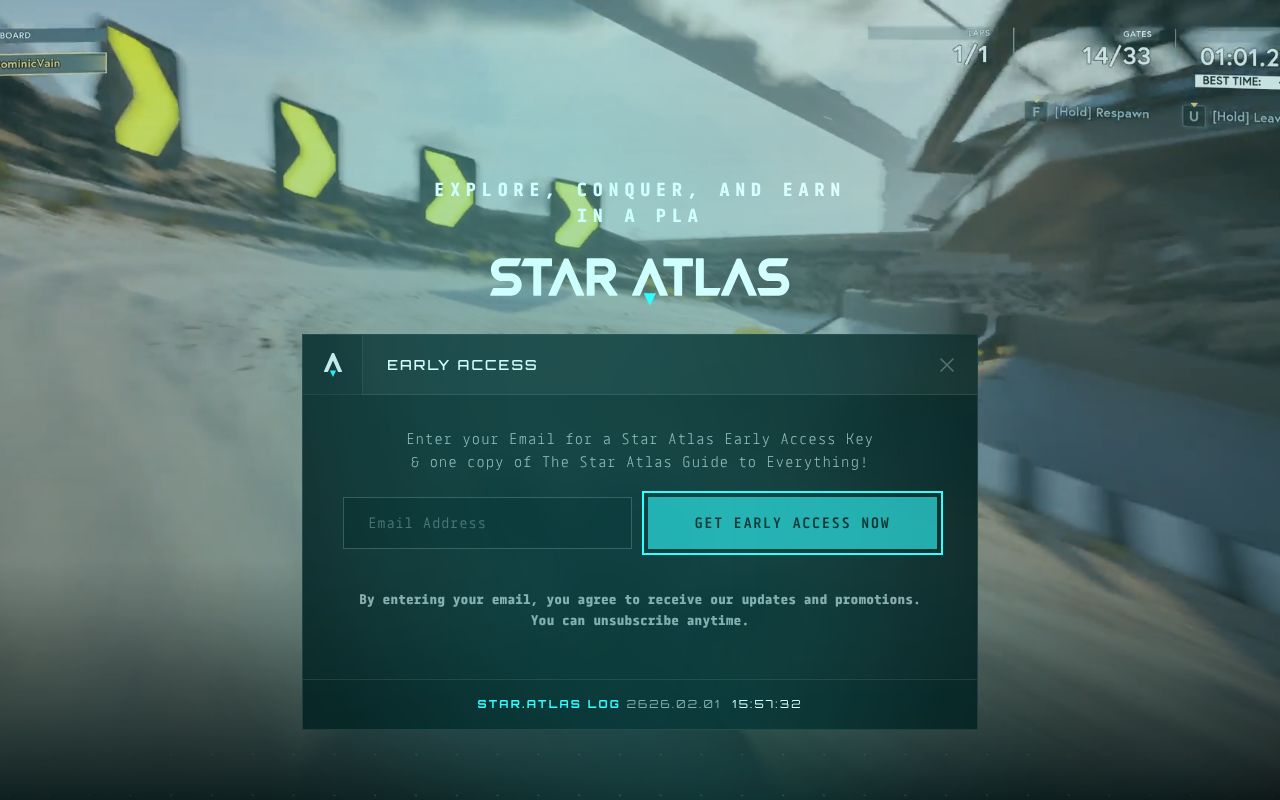
Top 5 Space Nation Game alternative’s of 2026
Next-Gen Web3 Space Adventures in 2026
Space Nation is exciting because it blends sci‑fi exploration with player progression, community coordination, and digital ownership in one place. Many players want games where time spent actually matters, and where items, upgrades, or identities can carry value beyond a single server wipe. That is why Space Nation-style games are getting attention from both MMO fans and Web3 users who care about ownership and open economies.
What makes this category important is the mix of fun gameplay and Blockchain Features that can support tradable cosmetics, player-run markets, and token-based rewards. When done correctly, these systems can feel truly decentralized because players can interact with assets, guild structures, and marketplaces without trusting one company to be the only gatekeeper. Additionally, the best projects keep the focus on the game first while using blockchain as an add-on that improves fairness, transparency, and long-term progression.
Notably, 2026 is shaping up to be a strong year for smaller and mid-sized titles that are not AAA games, but still deliver real community depth. Specifically, these projects often move faster, test new mechanics, and give early adopters more influence on development. Moreover, many of them are building cross-platform access and smoother onboarding, which makes it easier for new players to start.
Here are the 5 best Space Nation alternatives currently leading the industry.
Best Space Nation alternative’s to Play Right Now
1. Star Atlas – High-Stakes Space Economy
Star Atlas topping our list as a standout choice for players who want space travel combined with deep ownership and economy loops. This space-focused game operates with asset-backed ships and gear that can be traded, which makes progression feel more meaningful. Notably, Star Atlas excels in building a long-term universe where guilds, trade routes, and territorial goals can shape your playstyle.

What sets Star Atlas apart is its focus on player-driven markets and faction identity. Specifically, you can plan gameplay around roles like hauling, combat, crafting, or exploration. Additionally, the economic layer supports long sessions without feeling like a quick mini-game. Moreover, community coordination is a core part of success, not an optional extra. Consequently, with a strong sci‑fi theme and ownership hooks, Star Atlas delivers the closest “space MMO with Web3 depth” feel.
Pros:
• Strong space theme with long-term progression
• Player economy and trade-focused gameplay
• Great for guild and faction play
Cons:
• Can feel complex for brand-new players
• Some content is best with a group
2. Final Frontier – Fast Strategy in a Space Meta
Final Frontier topping our list as an easy-to-pick-up alternative for players who like space themes but prefer quicker sessions. This strategy-driven game operates with fleet decisions, upgrades, and competitive pacing rather than long MMO grinds. Notably, Final Frontier excels in delivering clear goals, simple loops, and satisfying progression without demanding huge time investment.
What sets Final Frontier apart is its clean focus on tactical choices and scalable playtime. Specifically, you can optimize your approach in short bursts by improving ships and picking smart engagements. Additionally, the blockchain layer can support tradable assets and account-based value over time. Moreover, its approach feels friendly for players who want the “space commander” vibe without heavy simulation. Consequently, with lighter onboarding and strong replay value, Final Frontier delivers a compact Space Nation-style experience.
Pros:
• Quick sessions and clear progression
• Tactical decision-making feels rewarding
• Easier onboarding than big MMOs
Cons:
• Less “open world” immersion
• Strategy focus may not suit action-first players
3. Battle Drones – Skill-Based Space Combat Loops
Battle Drones topping our list as a smart pick for players who want direct combat and fast improvement. This PvP-forward game operates around skill expression, ship builds, and competitive matches that feel intense but learnable. Notably, Battle Drones excels in creating a loop where practice matters and wins are not only about grinding.
What sets Battle Drones apart is its straightforward “fight, earn, improve” structure. Specifically, you can test different loadouts and master movement, timing, and positioning. Additionally, blockchain-based items can add ownership and tradable value without forcing complex systems. Moreover, the match format can be easier to commit to than a huge persistent MMO. Consequently, with skill-based gameplay and strong competitive energy, Battle Drones delivers a Space Nation alternative for action players.
Pros:
• Skill-based combat with fast feedback
• Builds and loadouts keep gameplay fresh
• Great for competitive players
Cons:
• Less exploration than traditional space MMOs
• PvP focus may feel stressful for casuals
4. Superior – Co‑Op Sci‑Fi Runs With Loot Value
Superior topping our list as a co‑op alternative for players who like squad play and gear progression. This sci‑fi action title operates with mission-based runs where teamwork and loadout planning matter. Notably, Superior excels in giving you that “crew energy” similar to Space Nation’s social feel, but in shorter, more focused sessions.
What sets Superior apart is how it combines repeatable missions with a loot-driven motivation. Specifically, you can refine builds, chase better drops, and improve team coordination over time. Additionally, Web3 elements can support ownership of certain items and unlockables, depending on your play approach. Moreover, the game structure makes it easy to play with friends without needing a massive schedule. Consequently, with co‑op depth and progression hooks, Superior delivers a strong “play together, grow together” experience.
Pros:
• Fun co‑op focus with repeatable missions
• Build variety and progression
• Easier time commitment than big MMOs
Cons:
• Less open-universe freedom
• Best experience needs a steady group
5. Farsite – Browser-Friendly Space Ownership Play
Farsite topping our list as an accessible pick for players who want space strategy without heavy hardware demands. This space strategy game operates with exploration, management, and long-term planning that you can check in on regularly. Notably, Farsite excels in creating a persistent feel where decisions stack over time and assets can become part of your identity.
What sets Farsite apart is its lower barrier to entry and long-tail progression. Specifically, you can expand your influence through smart management rather than pure reflex skill. Additionally, blockchain mechanics can help preserve ownership and support a more truly decentralized economy layer. Moreover, it works well for players who like slow-burn planning and community competition. Consequently, with lightweight access and strategy depth, Farsite delivers a relaxed alternative to Space Nation-style space gameplay.
Pros:
• Easy access and low hardware requirements
• Long-term strategy progression
• Strong fit for persistent economy fans
Cons:
• Slower pace than action games
• Not ideal if you want constant combat
The Space Nation Alternative Advantage
These Space Nation alternatives share clear benefits: stronger player ownership, community-first progression, and economies that can keep value over time. Additionally, they offer different pacing options, from fast PvP to slow strategy, so more players can find a perfect fit. Consequently, this category represents the future because blockchain-backed systems can support fair markets, transparent scarcity, and long-running game worlds that players actually help shape.
Comparison Table
| Game | Best For | Session Style |
|---|---|---|
| Star Atlas | Big universe feel, economy, factions | Long sessions, group-friendly |
| Final Frontier | Fast strategy and quick progress | Short sessions, easy drop-in |
| Battle Drones | Competitive PvP and skill mastery | Match-based, high intensity |
| Superior | Co‑op missions and gear progress | Medium sessions, team runs |
| Farsite | Persistent strategy and ownership | Check-in play, long-term planning |
Note: “Best For” reflects the main play motivation, while “Session Style” shows the typical time commitment and pacing you can expect from each game.