By Admin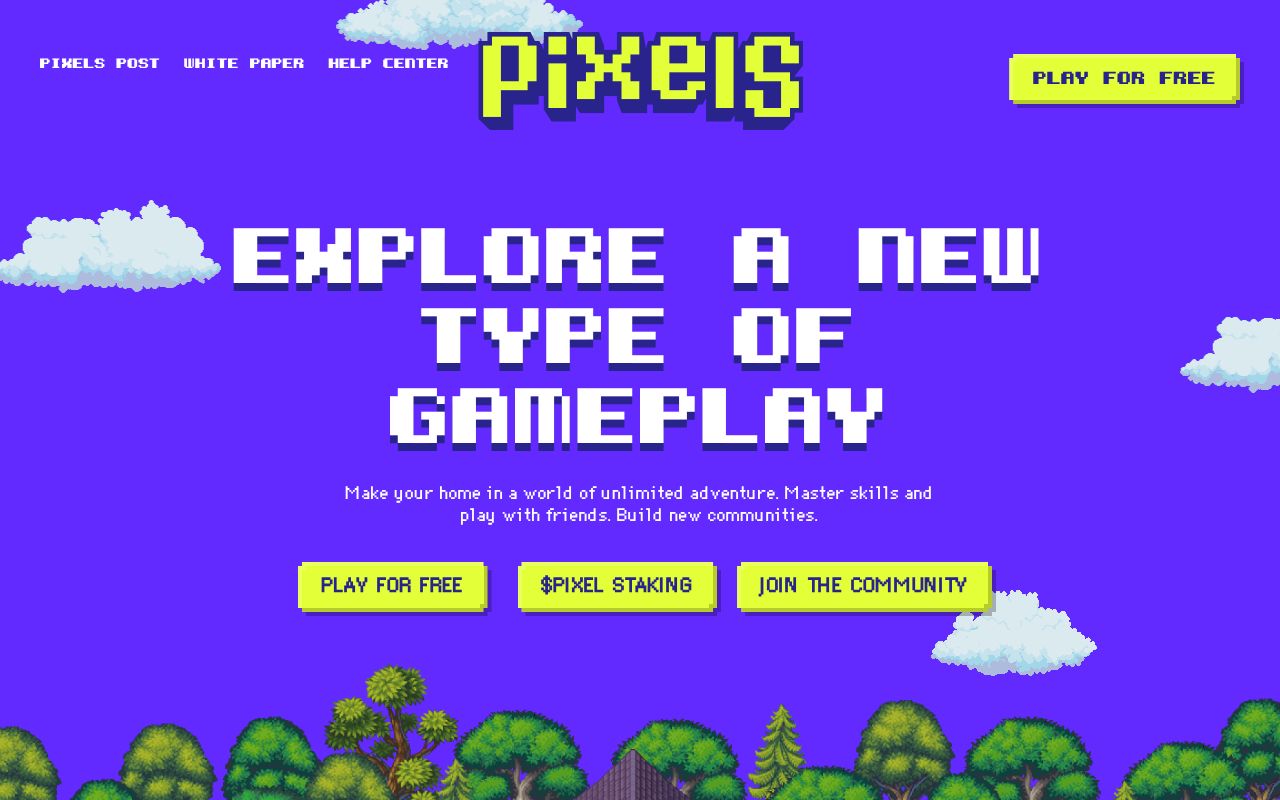
Top 5 Best DeFi Land Alternatives of 2026
Play-to-Earn Farming Games Taking Over in 2026
DeFi Land was one of the first projects to make DeFi feel like a simple farming game, and that idea is still very exciting in 2026. Players want something that feels fun first, while still offering real ownership, tradable items, and token-based rewards that actually work across wallets and marketplaces. That is why DeFi-native games and farming-style Web3 titles keep growing, especially for users who want a quick way to learn staking, crafting, and trading without reading complex docs.
What makes this category important is the mix of gameplay loops and blockchain features that bring transparent economies. Instead of trusting a studio to keep items scarce or fair, players can verify ownership, supply, and trades on-chain. Additionally, many of these games aim to be truly decentralized over time by shifting governance to token holders, using open marketplaces, and letting players influence seasonal updates.
In 2026, the best DeFi Land alternatives do a few key things well. They keep onboarding simple, they avoid pay-to-win traps, and they build economies with real sinks and reasons to hold assets. Moreover, they focus on cross-chain access or low-fee chains so players can actually play without spending a fortune on transactions. Consequently, you get games that feel familiar to casual players while still rewarding power users who love strategy, optimization, and trading.
Here are the 5 best DeFi Land alternatives currently leading the industry.
Best DeFi Land Alternatives to Play Right Now
1. Pixels – Cozy Farming With a Player-Run Economy

Pixels topping our list as the most polished farming-first Web3 experience that still keeps the crypto parts optional. This cozy social farming game operates with a strong focus on quests, crafting loops, and community-driven progression. Notably, Pixels excels in sustaining daily gameplay without forcing players to constantly trade tokens.
What sets Pixels apart is its economy design and social stickiness. Specifically, it pushes collaboration through guild-style play and shared goals. Additionally, item utility is tied to progression rather than pure speculation. Moreover, the pace feels like a real game instead of a pure yield dashboard. Consequently, with smoother onboarding and a clear gameplay loop, Pixels delivers a DeFi Land-like vibe without the “finance first” feel.
Pros: Easy onboarding, strong farming loop, active community
Cons: Some assets can get pricey during hype cycles
2. Sunflower Land – On-Chain Farming Built for Long-Term Play

Sunflower Land topping our list as the most “farm management” focused alternative for players who like optimizing every minute. This farming sim operates with a player-owned economy that rewards planning, timing, and smart crafting paths. Notably, Sunflower Land excels in providing depth without requiring fast reflex skills.
What sets Sunflower Land apart is its steady content expansion and item sink design. Specifically, it introduces limited-time events that push demand for crafted goods. Additionally, its on-chain approach keeps ownership transparent and tradable. Moreover, the game leans into sustainable progression rather than huge, unstable payouts. Consequently, with clear goals and satisfying upgrades, Sunflower Land delivers a DeFi Land alternative that feels built to last.
Pros: Deep crafting, strong progression, transparent ownership
Cons: Grind can feel slow for impatient players
3. SERAPH – Loot-Driven Action With Real Asset Utility

SERAPH topping our list as the best pick for players who want a DeFi Land alternative with more combat and loot intensity. This action RPG operates with itemized progression where gear and drops matter, and tradable assets can be part of your build path. Notably, SERAPH excels in making “earning” feel like a byproduct of playing well.
What sets SERAPH apart is its focus on drops, crafting, and build variety. Specifically, it supports a loop where players chase upgrades and refine strategies. Additionally, asset ownership adds real stakes to dungeon runs and market decisions. Moreover, it tends to attract competitive grinders who enjoy min-maxing. Consequently, with rewarding loot systems and meaningful upgrades, SERAPH delivers a more hardcore take on DeFi-style gameplay.
Pros: Strong loot loop, asset utility, build depth
Cons: Less cozy and casual than farming sims
4. Crystal Realms – RPG Farming, Crafting, and Marketplace Strategy
Crystal Realms topping our list as the most “hybrid” option for players who want farming vibes plus RPG progression. This fantasy Web3 game operates with gathering, crafting, and exploration that feed directly into a player-driven market. Notably, Crystal Realms excels in making resource choices feel meaningful, not just repetitive clicking.
What sets Crystal Realms apart is its crafting-first identity. Specifically, materials have real demand when tied to upgrades and equipment paths. Additionally, the game supports trading routes that reward smart market timing. Moreover, it gives casual players a simple loop while allowing advanced players to specialize. Consequently, with a clear economy and upgrade goals, Crystal Realms delivers a DeFi Land alternative that feels like an RPG with business brains.
Pros: Crafting focus, strong market loop, flexible playstyles
Cons: Progression can depend on market balance updates
5. Matr1x FIRE – Competitive Sessions With Tradable Progression
Matr1x FIRE topping our list as the best alternative for players who want short matches and skill-based outcomes rather than farming timers. This competitive shooter operates with progression systems that can include tradable assets and reward structures tied to performance. Notably, Matr1x FIRE excels in fast gameplay that feels familiar even to non-crypto gamers.
What sets Matr1x FIRE apart is its session-based loop and esports direction. Specifically, it supports players who prefer ranked play and quick improvement cycles. Additionally, its Web3 layer can add ownership to cosmetics or progression rewards. Moreover, it avoids the “idle farming” feeling by keeping the core fun inside the match. Consequently, with competitive energy and real ownership hooks, Matr1x FIRE delivers a very different but strong DeFi Land alternative.
Pros: Skill-based, fast sessions, strong competitive feel
Cons: Less “farm sim” charm than DeFi Land
The DeFi Gaming Advantage
DeFi-style Web3 games share a few big advantages: real ownership, open marketplaces, and economies players can verify instead of blindly trusting. Additionally, they reward time, strategy, and community participation in ways traditional games rarely allow. Consequently, this category looks like the future because it merges fun gameplay with truly decentralized value, letting players carry assets, build reputation, and trade fairly across platforms.
Comparison Table
| Game | Best For | Onboarding Difficulty |
|---|---|---|
| Pixels | Cozy farming, social play, steady progression | Easy |
| Sunflower Land | Optimization, crafting depth, long-term farm planning | Medium |
| SERAPH | Loot chasing, action combat, gear progression | Medium |
| Crystal Realms | Crafting economy, RPG progression, market strategy | Medium |
| Matr1x FIRE | Competitive matches, skill-based rewards, fast sessions | Easy to Medium |
Note: “Best For” reflects the main gameplay loop each title is strongest at. “Onboarding Difficulty” estimates how hard it is for a new user to start playing, including wallet setup and understanding the game’s economy.