By Admin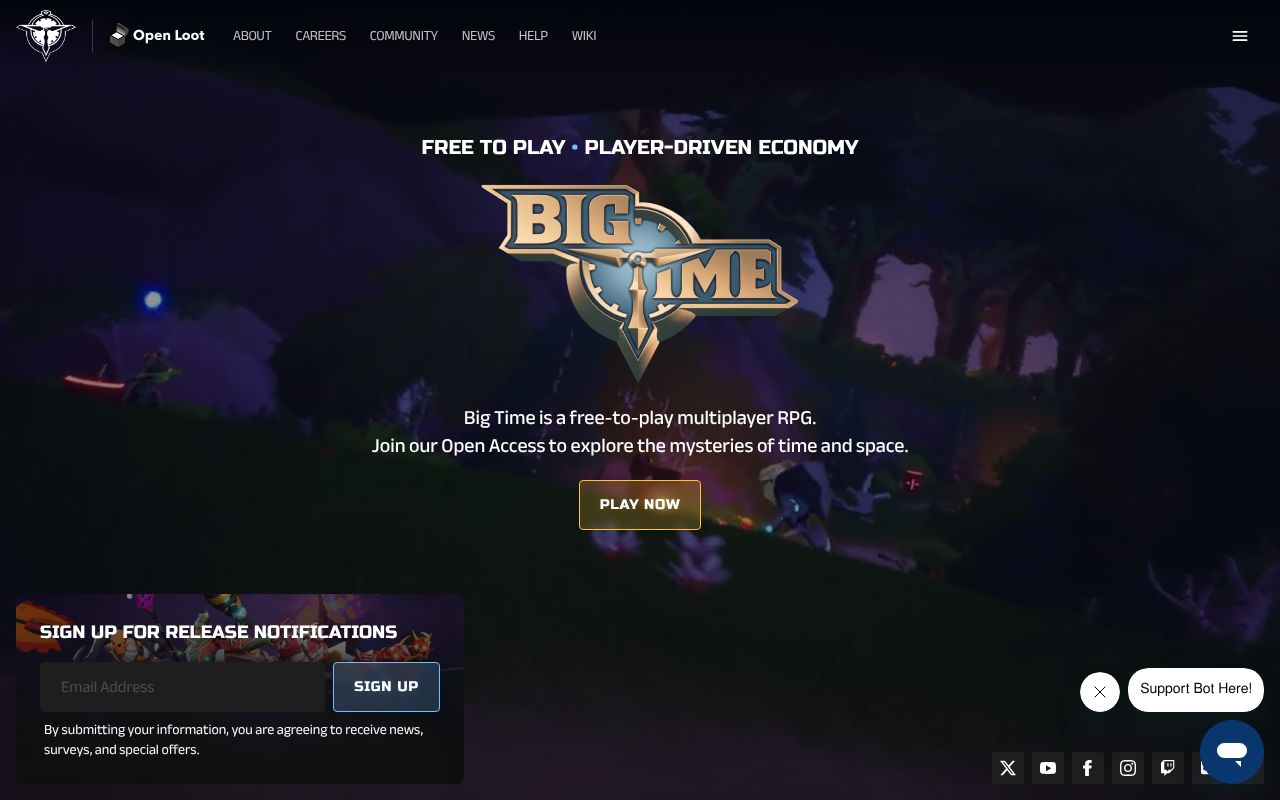
Top 5 Best Tales of Elleria alternative’s of 2026
Indie Web3 RPGs Players Actually Want in 2026
The Tales of Elleria community helped prove that crypto RPGs can be fun, progression-focused, and still offer Blockchain Features that matter. Players are no longer satisfied with simple “click-to-earn” loops. Instead, they want real gameplay, meaningful crafting, and a fair economy where items have utility, not just hype.
What makes this category important is ownership and portability. When a game is built with truly decentralized elements, your gear, characters, and collectibles can be more than a server-bound database entry. Additionally, on-chain marketplaces and transparent drop rules can reduce manipulation, which is a big win for players who care about fairness.
In 2026, the best Tales of Elleria-style experiences lean into tactical combat, party building, and long-term progression. Notably, the strongest projects also focus on onboarding, so you can start playing without needing to understand every wallet detail on day one. Consequently, the “Web3 RPG” label is becoming less about speculation and more about better player economies and community-driven content.
If you enjoyed Tales of Elleria for its RPG vibe and item-driven progression, there are several newer, non-AAA games worth trying. They offer fresh mechanics, cleaner token design, and stronger gameplay loops while keeping the same core promise: play, progress, and truly own your wins. Here are the 5 best Tales of Elleria alternative’s currently leading the industry.
Top Tales of Elleria Alternative’s to Play
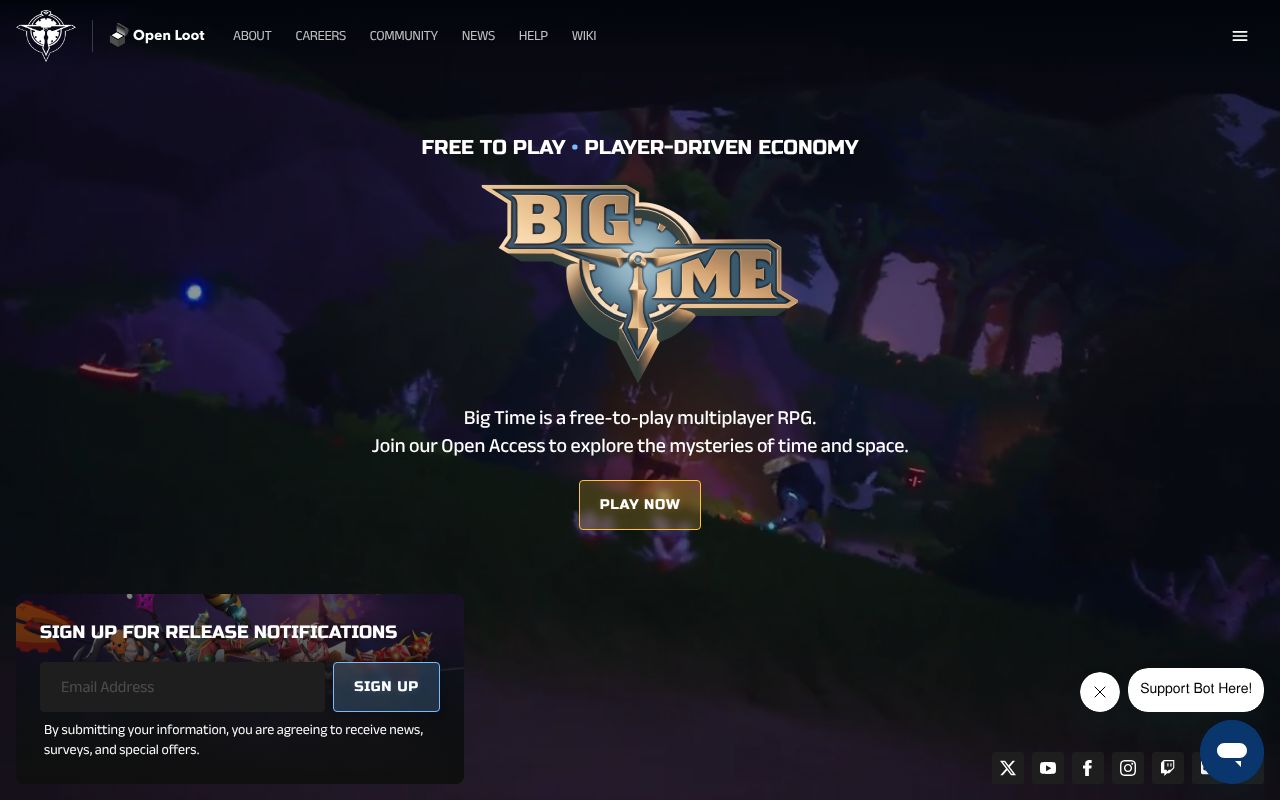
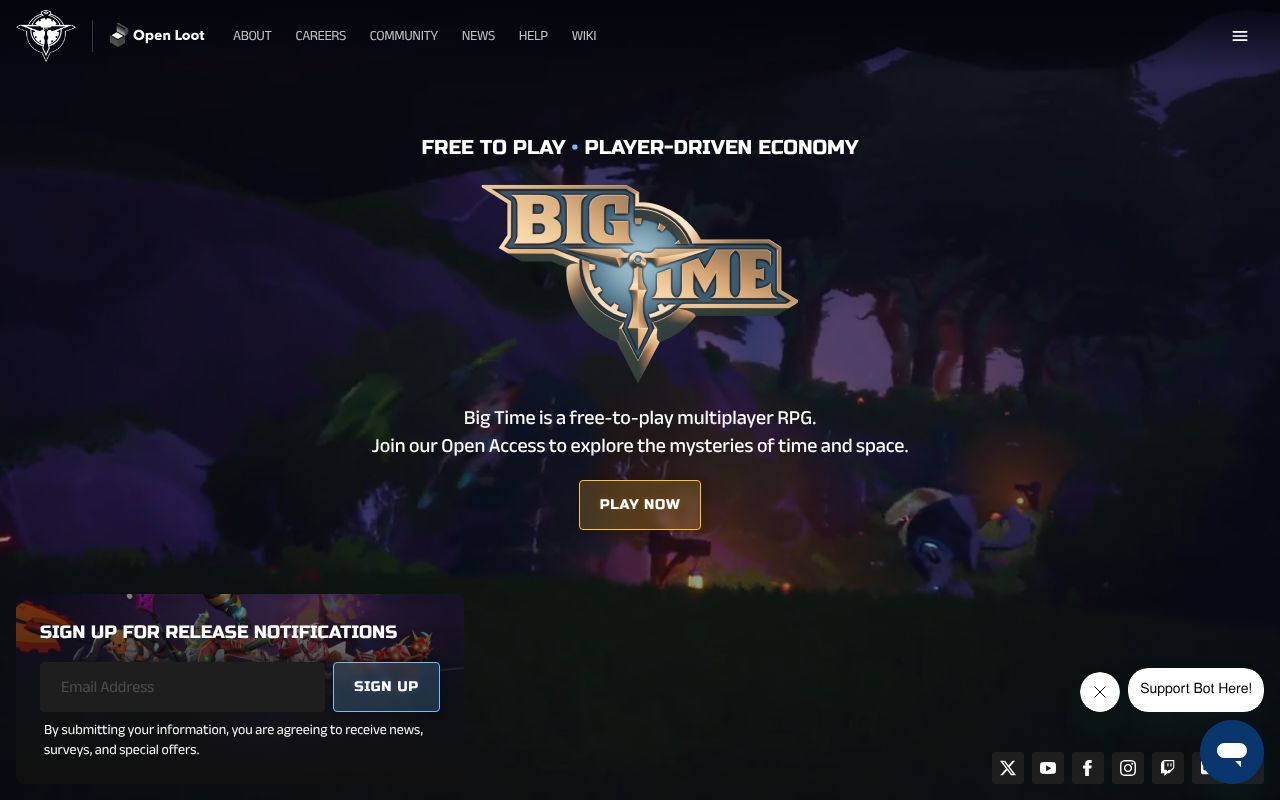
1. Big Time – Time-Travel Action RPG With Real Loot

Big Time topping our list as the most polished non-AAA action RPG with a real economy. This fast-paced dungeon crawler operates with tradable cosmetics and gear systems designed for collectors and grinders. Notably, Big Time excels in party-based PvE, where coordinated runs feel rewarding rather than repetitive.
What sets Big Time apart is its time-travel narrative paired with crafting and marketplace loops. Specifically, players can chase rare drops without the game feeling like a finance app. Additionally, the loot chase fits both casual sessions and longer weekend grinds. Moreover, the community economy can stay active because cosmetic demand stays constant. Consequently, with smooth combat and strong progression hooks, Big Time delivers long-term replay value.
Pros: Smooth action combat, active economy, strong co-op PvE
Cons: Trading-focused players may outpace pure casuals early on
2. SERAPH: In the Darkness – Dark ARPG Loot Runs With Web3 Utility

SERAPH: In the Darkness topping our list as a gritty alternative for players who want darker vibes and faster loot cycles. This ARPG operates with gear progression and item value that can extend outside a single character slot. Notably, SERAPH excels in repeatable dungeon content where optimization and build planning actually matter.
What sets SERAPH apart is its focus on long-term grind loops with Blockchain Features supporting player-to-player trading. Specifically, the game pushes you to refine builds, test gear combos, and take on harder tiers. Additionally, the atmosphere and pacing will feel familiar if you like hardcore RPGs. Moreover, the economy is designed around utility rather than random hype drops. Consequently, with consistent loot goals, SERAPH delivers a strong “one more run” feeling.
Pros: Addictive dungeon loops, build depth, gear utility focus
Cons: Dark theme and grind pace won’t be for everyone
3. Parallel TCG – Strategy Progression With True Ownership

Parallel TCG topping our list as the best pick if you liked Tales of Elleria’s progression mindset but want faster sessions. This strategy card game operates with collectible ownership and competitive systems that reward smart deck building. Notably, Parallel excels in skill-based play where upgrades feel earned, not bought.
What sets Parallel apart is its clean competitive structure and truly decentralized collectible layer. Specifically, cards can hold real scarcity while still being playable and balanced. Additionally, the meta evolves through community discovery rather than scripted power creep. Moreover, the game is easy to learn but hard to master, which keeps it engaging. Consequently, with quick matches and real collection value, Parallel delivers progression without long grinding hours.
Pros: Skill-based, quick sessions, strong collectible design
Cons: Not a “walking around RPG,” it’s card-based strategy
4. Pixels – Cozy MMO Progression With Player Markets
Pixels topping our list as the friendliest MMO-style alternative for casual RPG fans. This social pixel MMO operates with farming, crafting, and community-based progression that feels simple but surprisingly sticky. Notably, Pixels excels in daily progression loops that don’t demand intense skill, making it ideal for relaxed play.
What sets Pixels apart is its economy driven by crafting and social gameplay instead of pure combat. Specifically, you can build routines, upgrade your setup, and trade outputs through player markets. Additionally, the onboarding is much easier than most Web3 games. Moreover, the game keeps goals clear, so you always know what to do next. Consequently, with low pressure and steady upgrades, Pixels delivers a comfy, long-term grind.
Pros: Easy to start, strong crafting loop, social progression
Cons: Combat depth is limited compared to ARPGs
5. Sunflower Land – On-Chain Farming With Real Utility Items
Sunflower Land topping our list as the most “pure economy” alternative that still feels like a game. This on-chain farming sim operates with crafting, resource management, and upgrade planning where small decisions compound over time. Notably, Sunflower Land excels in transparent mechanics, since on-chain systems can make supply and sinks easier to track.
What sets Sunflower Land apart is how it turns simple farming into a strategic loop with Blockchain Features at the core. Specifically, players manage time, resources, and upgrades to optimize output. Additionally, the community market gives items real purpose rather than vanity value. Moreover, it’s playable in short bursts, which fits busy schedules. Consequently, with clear progression and utility-driven items, Sunflower Land delivers a reliable daily game.
Pros: Strong economy design, clear progression, great in short sessions
Cons: Not story-driven like classic RPGs
The Tales of Elleria Advantage
These Tales of Elleria-style games share key benefits: real progression, tradable assets with utility, and player-driven markets that reward time and skill. Additionally, they show why this category is the future, because truly decentralized ownership can protect player value while keeping gameplay as the main focus. Consequently, Web3 RPGs in 2026 are finally becoming games first, and economies second.
Comparison Table
| Game | Best For | Crypto/Economy Angle |
|---|---|---|
| Big Time | Co-op dungeon action and loot chasing | Tradable cosmetics/items, active player market |
| SERAPH: In the Darkness | Harder ARPG grind and build optimization | Gear-driven trading and utility-focused progression |
| Parallel TCG | Competitive strategy with quick matches | Owned collectibles, skill-first value retention |
| Pixels | Casual MMO crafting and social progression | Crafting-based markets and steady item demand |
| Sunflower Land | Daily farming progression and resource strategy | On-chain items, transparent economy mechanics |
Note: “Best For” reflects the core gameplay loop, while “Crypto/Economy Angle” summarizes how the game uses Blockchain Features such as ownership, trading, or on-chain utility.