By Admin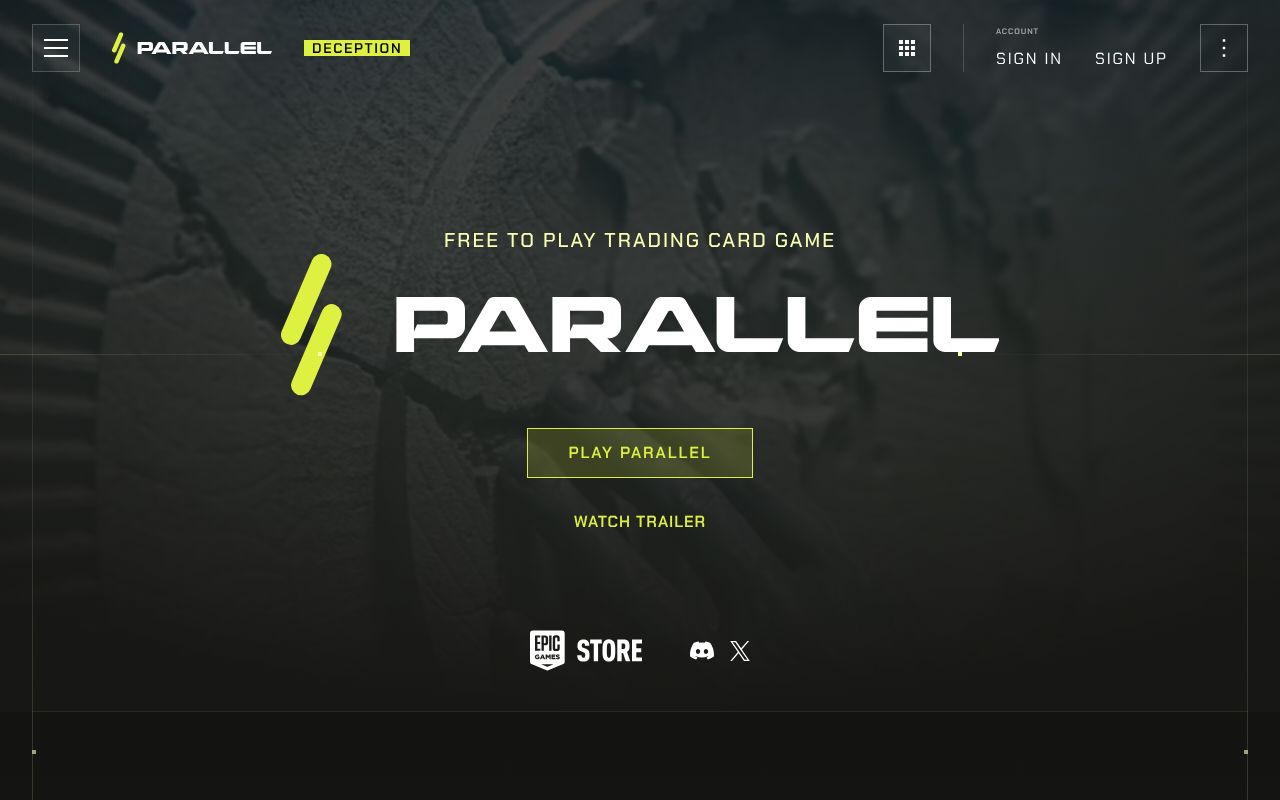
Top 5 Best Domi Online Alternative’s of 2026
Domi-Style Web3 Games to Play in 2026
Domi Online-style Web3 games are exciting because they mix fast gameplay with real ownership of items, characters, and progress. Instead of only grinding for cosmetics that stay locked inside one publisher’s servers, players can earn assets that live on-chain and can be traded, upgraded, or used across connected systems. Additionally, this category matters because it gives players more control over time spent in-game, which is a big deal for competitive and long-term games.
Notably, newer titles in 2025 and 2026 are focusing on smooth onboarding, meaning you can start playing without dealing with complicated wallet steps right away. Specifically, many games now offer optional wallets, simple marketplaces, and clear crafting or upgrade loops. Moreover, on-chain economies are getting smarter, with better sinks, seasonal content, and more balanced reward structures.
What makes this category stand out is the push toward truly decentralized progression where items and even certain game actions can be verified via Blockchain Features. Consequently, players can verify scarcity, track provenance, and interact with marketplaces without trusting a single centralized database. Therefore, if you like the idea of Domi Online but want more options, it makes sense to compare several newer games that are building in the same direction.
Here are the 5 best Domi Online alternative’s currently leading the industry.
5 Web3 Game Picks Like Domi Online
1. Parallel – Strategy Battles With Real Card Ownership

Parallel topping our list as the most polished competitive choice for players who want skill-heavy gameplay with a strong on-chain layer. This tactical sci‑fi card battler operates with tradable cards and a growing ecosystem that supports collectors and competitive players. Notably, Parallel excels in match depth, where deck-building decisions matter and updates keep the meta moving.
What sets Parallel apart is its high production quality and clear ownership model. Specifically, assets are designed for trading without making the game feel like a marketplace first. Additionally, competitive players can focus on climbing and refining strategies while collectors can target specific sets. Moreover, the game’s presentation feels like a premium PC title, not a prototype. Consequently, for players who loved the grind-and-grow loop of Domi-style games, Parallel delivers a strong long-term progression feel.
Pros (green):
– Strong competitive gameplay and polish
– Clear asset ownership and active trading scene
Contra:
– Can feel complex for pure casual players
2. Illuvium – Premium Creature Collecting With Big Progression

Illuvium topping our list as the most premium alternative if you want exploration, collecting, and real item value. This creature-collector and battler operates with NFTs tied to unique units and upgrades, giving players reasons to farm, build, and optimize. Notably, Illuvium excels in long-term goals, where you can pursue rarer captures, better builds, and stronger team synergies.
What sets Illuvium apart is its blend of open-world collection and arena-style combat. Specifically, the game supports a more “RPG grind” feel that many Domi Online fans enjoy. Additionally, progression is designed around improving your roster rather than only flipping assets. Moreover, visuals and UI are closer to mainstream gaming expectations. Consequently, with strong crafting and collecting hooks, Illuvium delivers satisfying progression plus ownership.
Pros (green):
– High-end visuals and deep collection loop
– Ownership-focused progression and upgrades
Contra:
– Progress can feel slower without time investment
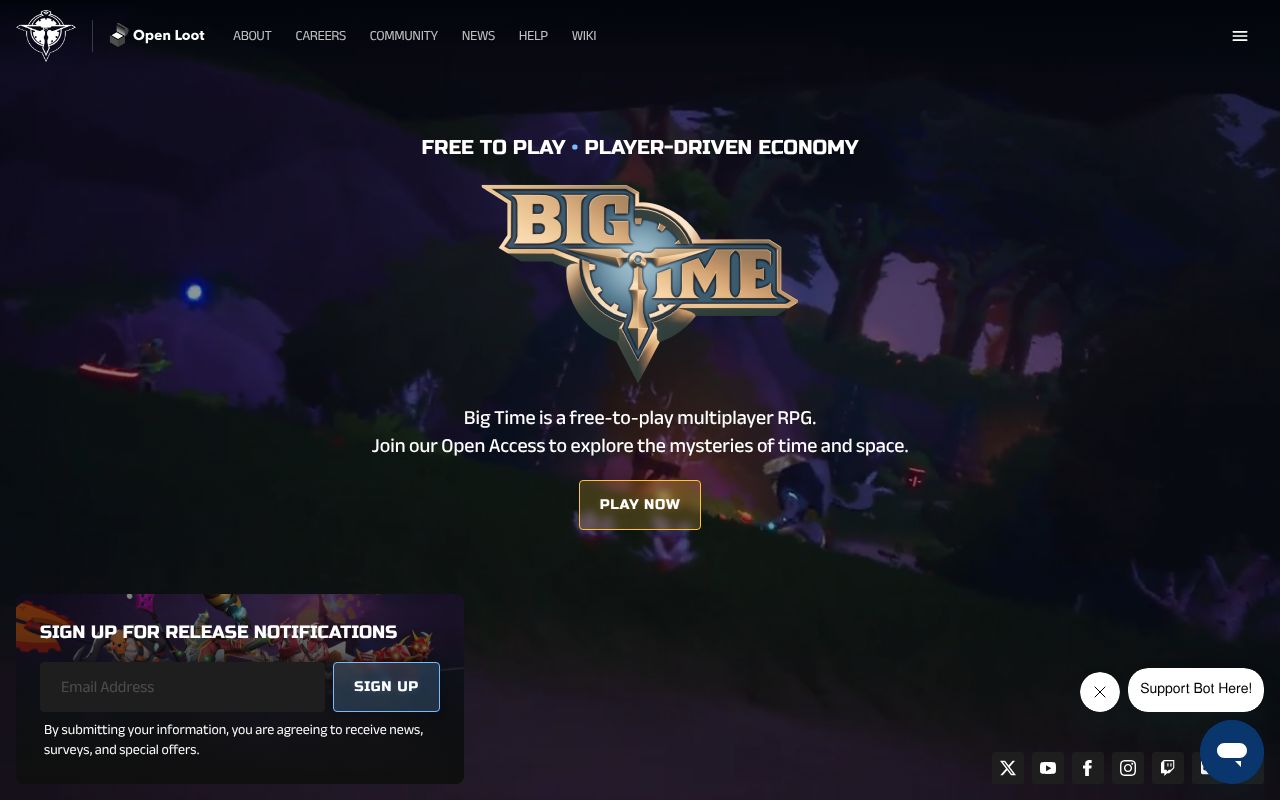
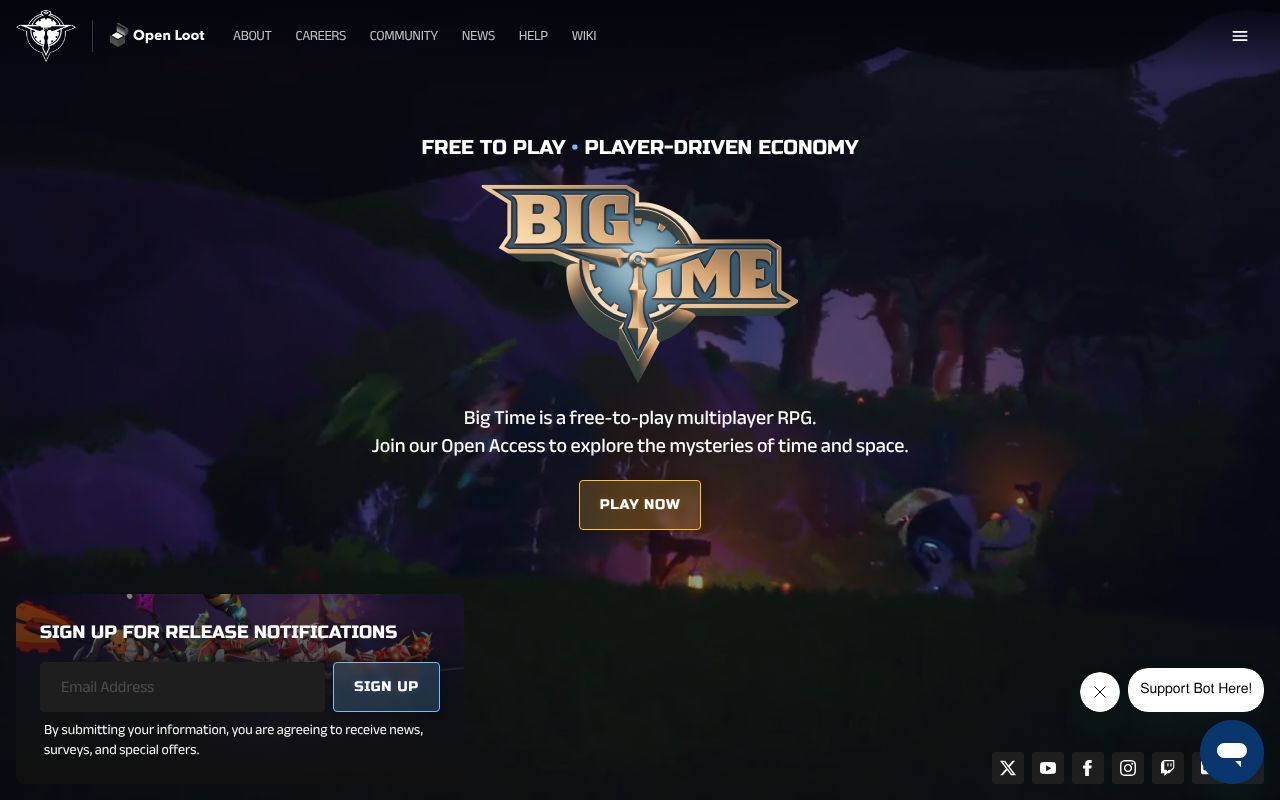
3. Big Time – Action RPG Loot With Player-Owned Crafting

Big Time topping our list as the best action-first option for players who want combat and loot before anything else. This fast-paced RPG operates with player-owned cosmetic and crafting-related assets, making the economy feel more like a reward layer than the whole point. Notably, Big Time excels in dungeon-style sessions, where you team up, clear content, and aim for valuable drops.
What sets Big Time apart is its gameplay-first approach. Specifically, it tries to keep the Web3 parts optional while still letting dedicated players engage in ownership and crafting loops. Additionally, the core loop is easy to understand: fight, loot, improve, repeat. Moreover, the game’s social co-op feel supports long grind sessions without getting boring. Consequently, with a strong loot chase, Big Time delivers a Domi-like “keep progressing” experience.
Pros (green):
– Fun action gameplay and co-op focus
– Web3 elements feel optional, not forced
Contra:
– Economic systems can vary by season and updates
4. Nifty Island – Build, Socialize, and Earn Through Player Worlds
Nifty Island topping our list as the most creative alternative if you like building and social progression. This user-generated world game operates with customizable islands and on-chain items, letting players create spaces, host activities, and grow communities. Notably, Nifty Island excels in social gameplay, where your island becomes your “home base” and reputation matters.
What sets Nifty Island apart is that progression is tied to creativity and community, not just combat stats. Specifically, players can design experiences and add collectible assets that visitors can interact with. Additionally, it’s easier to jump into compared to heavier RPG systems. Moreover, the game supports a modern creator economy feel, where builders can attract attention and rewards. Consequently, with flexible goals and strong social hooks, Nifty Island delivers a different but addictive grind.
Pros (green):
– Strong creator tools and social progression
– Easy onboarding for new players
Contra:
– Less appealing if you only want combat gameplay
5. Pixels – Cozy Farming With a Real Economy Loop
Pixels topping our list as the most approachable Domi Online-style alternative for players who want a simple daily loop. This farming and social RPG operates with a player-run economy where items and resources can matter beyond your own account. Notably, Pixels excels in routine-based progression, where short sessions still feel productive.
What sets Pixels apart is the low-pressure grind. Specifically, you can farm, craft, trade, and complete tasks without needing high mechanical skill. Additionally, the economy side is easy to understand, which helps beginners avoid common Web3 confusion. Moreover, the game has a friendly community vibe that keeps players returning daily. Consequently, with steady progression and clear goals, Pixels delivers an easy on-ramp into Web3 ownership gameplay.
Pros (green):
– Very beginner-friendly and easy daily progression
– Strong crafting and trading loop
Contra:
– Not ideal for players who want hardcore combat
The Web3 Game Advantage
These Domi Online-style Web3 games share real ownership, tradable progression, and economies that can reward time spent playing. Additionally, they push Blockchain Features that let players verify scarcity and move assets without relying on one central server. Consequently, this category represents the future because it blends fun gameplay with player freedom, long-term value, and more transparent systems.
Comparison Table
| Game | Best For | Onboarding Difficulty |
|---|---|---|
| Parallel | Competitive strategy and card ownership | Medium |
| Illuvium | Collecting, RPG progression, premium visuals | Medium |
| Big Time | Action RPG loot and co-op grinding | Low to Medium |
| Nifty Island | Building, social play, creator economy | Low |
| Pixels | Cozy farming, crafting, simple economy | Low |
Note: “Onboarding Difficulty” reflects how quickly a new player can start playing without deep wallet knowledge, while “Best For” highlights the main gameplay loop each title focuses on.