By Admin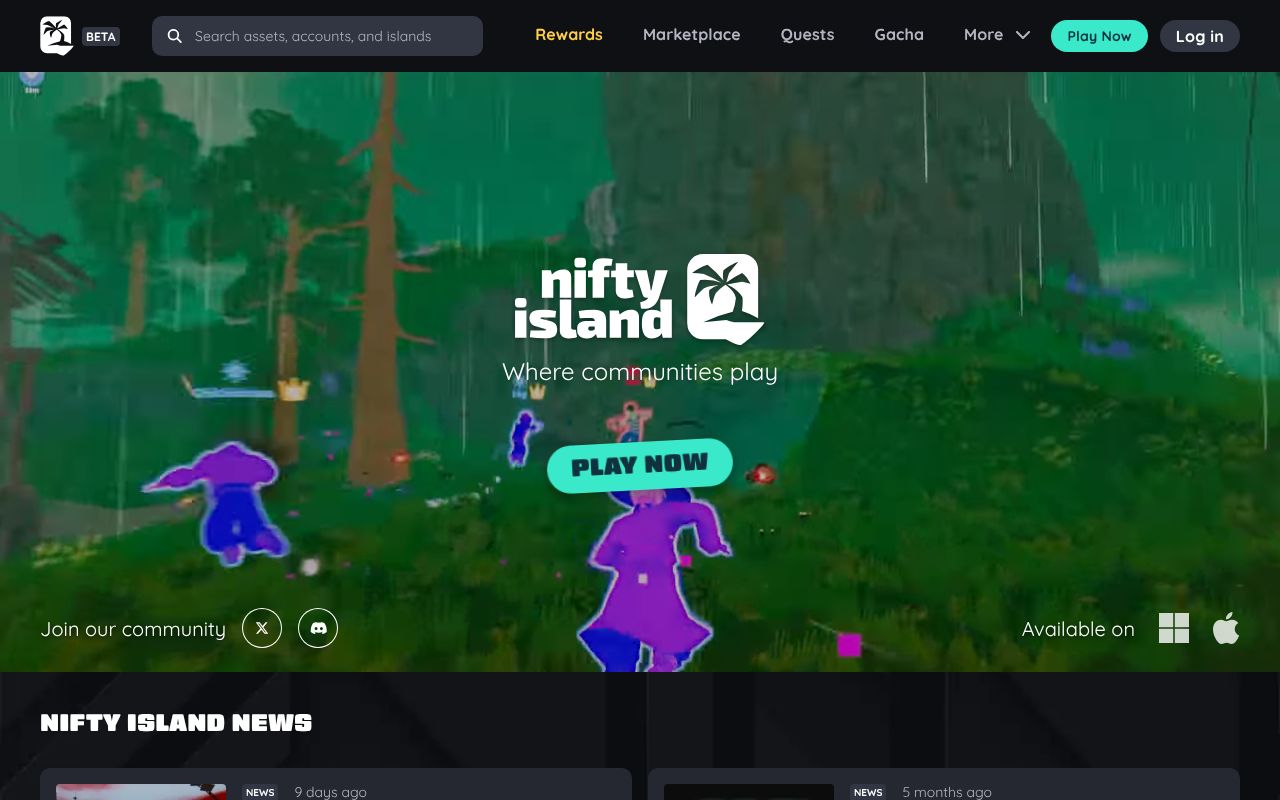
Top 5 Doomsday Web3 Game alternative’s of 2026
Doomsday-Ready Web3 Games for 2026
Doomsday-style games are exciting because they put you under pressure. You are forced to survive, gather resources, and make smart choices while the world collapses around you. For many players, this category matters because it mixes tense gameplay with long-term progression, so every run feels meaningful instead of random.
What makes modern Web3 versions especially interesting is ownership. With Blockchain Features like on-chain assets, player-driven economies, and tradable items, your time can carry real value outside a single match. Additionally, many of these games are pushing toward truly decentralized systems where marketplaces, crafting, and even parts of progression are controlled by players, not only by a central publisher.
Notably, the best Doomsday alternatives do more than copy the “end of the world” theme. They add extraction loops, base building, squad play, or roguelite resets that keep tension high while still rewarding skill and planning. Therefore, if you enjoy intense survival pressure but want more control over your items, crafting, and progression, Web3 games in 2026 are a strong fit.
Here are the 5 best Doomsday web3 game alternative’s currently leading the industry.
Best Doomsday Alternative’s to Play in 2026
1. Nifty Island – Survival Sandboxes With Player-Owned Worlds

Nifty Island topping our list as the most flexible Doomsday alternative because it lets players build, fight, and experiment inside user-made islands that can feel like anything from a safe haven to a disaster zone. This creator-driven web3 game operates with tradable cosmetics and assets that support a player economy. Notably, Nifty Island excels in fast sessions where you can jump in, test a build, and keep progressing without a huge time commitment.
What sets Nifty Island apart is its social survival angle. Specifically, you can team up, set rules for your island, and create your own end-times challenges. Additionally, it supports community-made experiences that keep content fresh. Moreover, its trading and ownership layer makes rewards feel less “locked” than typical games. Consequently, with quick gameplay loops and player-owned content, Nifty Island delivers replayability without burnout.
Pros: Easy to jump into; player-created modes; strong ownership layer
Cons: Not a pure hardcore survival game; quality depends on creators
2. Shrapnel – Extraction Chaos in a Broken World

Shrapnel topping our list as the best “high-stakes scavenger” pick for players who like Doomsday tension but want gunplay and extraction pressure. This competitive web3 game operates around looting, surviving, and getting out with valuable items. Notably, Shrapnel excels in risk vs reward decisions where every fight can change your inventory and progress.
What sets Shrapnel apart is its focus on player-driven content and economy design. Specifically, it aims to let creators build and monetize experiences tied to the gameplay loop. Additionally, the economy angle is designed around scarcity and demand, which fits the “end of the world” vibe. Moreover, the extraction structure naturally creates memorable stories. Consequently, with intense raids and meaningful loot, Shrapnel delivers that Doomsday panic in a modern format.
Pros: Strong extraction tension; skill-based combat; loot feels valuable
Cons: Harsh for casuals; losing gear can feel punishing
3. SERAPH – Dark ARPG Survival With Real Progression

SERAPH topping our list as the best choice for players who want a Doomsday mood but prefer ARPG combat and dungeon pressure instead of shooters. This dark fantasy web3 game operates with loot, builds, and progression systems that reward grinding and smart gearing. Notably, SERAPH excels in “one more run” gameplay where upgrading your character actually changes your survival odds.
What sets SERAPH apart is its gear chase tied to tradeable value. Specifically, rare drops and crafted items can matter beyond your account. Additionally, the game loop supports both solo and group play, which is great if you like surviving with friends. Moreover, the darker setting keeps stakes high even in PvE-focused sessions. Consequently, with build depth and meaningful loot, SERAPH delivers a survival-like stress curve without needing a battle royale format.
Pros: Addictive progression loop; strong loot fantasy; good for co-op
Cons: Less “open world survival”; requires time to reach depth
4. RavenQuest – Survival Crafting Energy With MMO Depth
RavenQuest topping our list as the best “slow-burn survival economy” alternative for players who like gathering, crafting, and long-term planning. This MMO-style web3 game operates with professions, resource loops, and community-driven trading. Notably, RavenQuest excels in giving purpose to everyday actions like farming materials, improving gear, and building your role in a living world.
What sets RavenQuest apart is its economy-first design. Specifically, crafting and resource control can become your main path to power, not only combat. Additionally, the social systems encourage alliances, trading, and specialization. Moreover, the Web3 layer makes ownership and exchange more direct than in classic MMOs. Consequently, with steady progression and a player-driven market, RavenQuest delivers Doomsday “rebuild society” vibes in a calmer, smarter way.
Pros: Deep crafting and roles; strong community economy; long-term progression
Cons: Slower pace; less constant action than pure survival games
5. Sunflower Land – Cozy Survival Economy That Still Feels Strategic
Sunflower Land topping our list as the best lightweight alternative for players who want resource pressure and planning without brutal combat. This web3 farming and crafting game operates around managing time, upgrades, and production chains. Notably, Sunflower Land excels in small strategic decisions, where optimizing your resources feels like surviving a crisis in slow motion.
What sets Sunflower Land apart is how easy it is to understand while still offering depth. Specifically, you can focus on building efficient loops, trading, and expanding your setup. Additionally, it works well for players who want a daily routine game with ownership elements. Moreover, the economy angle makes your progress feel more “real” than typical mobile-style games. Consequently, with simple mechanics and smart progression, Sunflower Land delivers survival planning without stress.
Pros: Very easy to start; relaxing but strategic; strong crafting loop
Cons: Not action-based; may feel too calm for hardcore Doomsday fans
The Doomsday Advantage
Web3 Doomsday-style games bring real ownership, tradable progression, and economies built around scarcity and player demand. Additionally, they reward skill and planning with items that can matter outside one session. Consequently, this category feels like the future because players get more control, more transparency, and more reasons to keep building even when the world in-game is falling apart.
Comparison Table
| Game | Core Doomsday Fit | Best For |
|---|---|---|
| Nifty Island | Player-made survival scenarios and PvP chaos | Creative players who want variety fast |
| Shrapnel | Extraction pressure and high-stakes loot runs | Competitive players who love risk vs reward |
| SERAPH | Survival mood with ARPG progression and loot chase | Build lovers who want meaningful gear |
| RavenQuest | Rebuild-and-thrive economy loops, crafting focus | MMO fans who enjoy trading and long-term plans |
| Sunflower Land | Resource management survival, calm but strategic | Casual players who still want smart progression |
Note: “Core Doomsday Fit” rates how strongly the gameplay matches survival pressure and resource scarcity. “Best For” highlights the main player type each game serves based on pace and challenge.