By Admin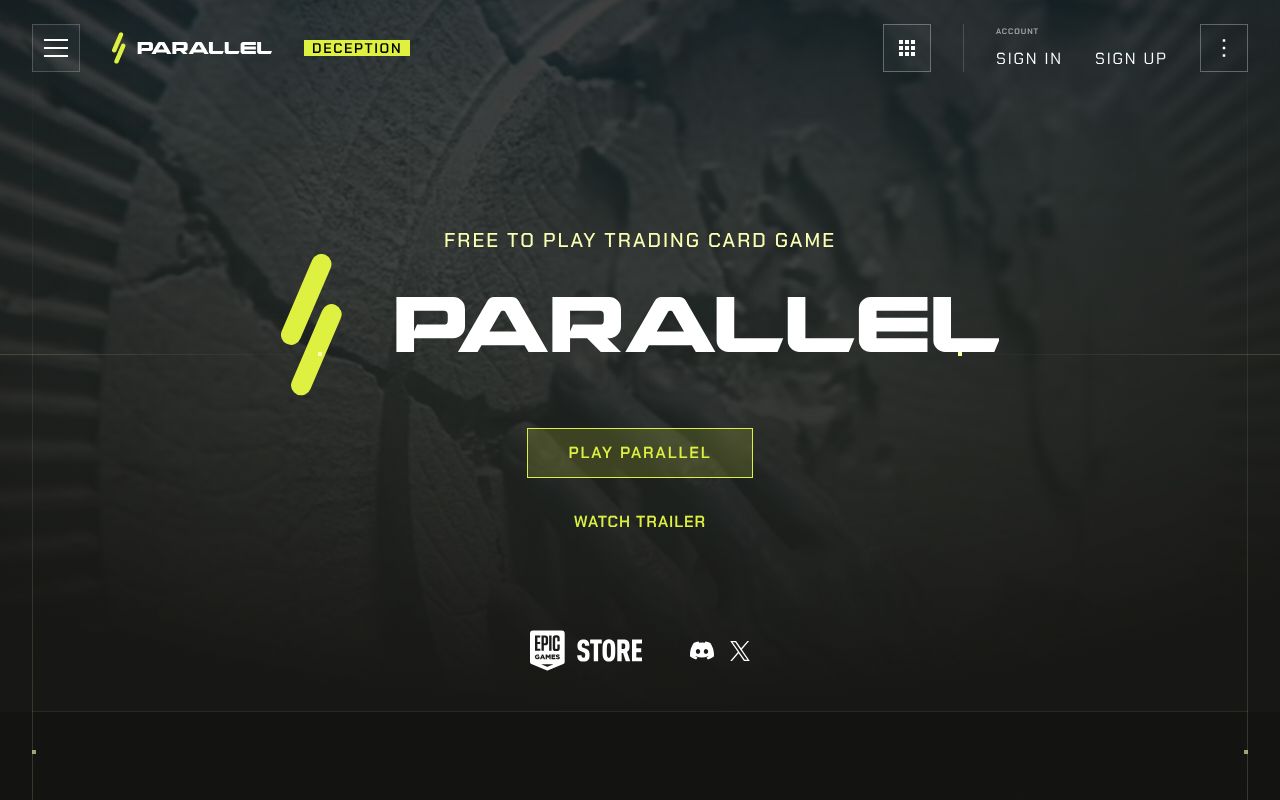
Top 5 Best Web3 Strategy Games of 2026
War Rooms of 2026: Why Web3 Strategy Games Are Exploding
Web3 strategy games are very exciting because they give players more than just wins and losses. Instead of grinding only for rankings, you can often earn, trade, or truly own key items that matter in play. Additionally, strategy games are perfect for blockchain features because players care about fairness, scarcity, and long-term progression.
In classic strategy games, you can invest months building an army or a guild, but your assets are still locked inside one publisher’s server. Notably, Web3 changes this by making ownership transparent and portable through on-chain items, tokenized economies, and wallet-based accounts. Therefore, your progress can feel more “real,” as in you can actually hold your inventory, skins, commanders, or land as digital property.
Another reason this category matters is competitive integrity. Specifically, many Web3 strategy games lean into verifiable rules, anti-fraud mechanics, and open marketplaces that reduce shady middlemen. Moreover, some games are moving closer to truly decentralized governance where communities can vote on updates, balance changes, or economic parameters.
Echoes of Empire has helped push this interest by showing how empire-building and economy loops can be enriched with player-owned assets. Consequently, more studios are building strategy-first Web3 titles that are simpler to learn, but still deep enough to master. Here are the 5 best Web3 strategy games currently leading the industry.
Best Web3 Strategy Games Like Echoes of Empire
1. Parallel – Tactical Sci‑Fi Battles With Real Ownership

Parallel topping our list as the most polished strategy-first Web3 experience you can jump into quickly. This competitive sci‑fi card strategy game operates with tradable cards and a player-driven meta that changes as new sets and strategies emerge. Notably, Parallel excels in clean UI, readable combat, and match pacing that feels like a serious esport.
What sets Parallel apart is its strong blend of skill and collection value. Specifically, your deck choices matter more than hype, so smart players can climb without chasing every rare drop. Additionally, the market layer is optional, so you can play normally and only trade when you want. Moreover, ownership mechanics are clear, which makes the whole system feel fair. Consequently, with tight gameplay loops and strong asset utility, Parallel delivers strategy that stays fun even when markets cool.
Pros: Skill-based matches, smooth onboarding, real card utility
Cons: Deck building can feel complex at first
2. Darwinia Crypto – Cross‑Chain Strategy for Hardcore Builders

Darwinia Crypto topping our list as a deeper, more technical alternative for players who like infrastructure and long-term planning. This Web3 ecosystem game operates with cross-chain support and a strong emphasis on bridging, staking, and network participation tied to gameplay and rewards. Notably, Darwinia Crypto excels in giving strategic players more levers to pull than simple “click-to-earn” loops.
What sets Darwinia Crypto apart is its focus on multi-chain design rather than a single closed economy. Specifically, it can appeal to players who want strategy combined with actual blockchain mechanics. Additionally, the community angle is strong, which can make progression feel like you are part of a real long game. Moreover, it rewards patience and planning over fast hype cycles. Consequently, with cross-chain utility and deeper systems, Darwinia Crypto delivers a strategy experience that feels more like managing an empire network.
Pros: Cross-chain focus, long-term systems, strong community utility
Cons: More complex than typical games
3. Seraph In The Darkness – Dark Fantasy Progression With Strategic Builds

Seraph In The Darkness topping our list as the most satisfying “build strategy” option for players who love planning loadouts and team synergy. This dark fantasy action-RPG operates with Web3 items and progression systems where smart choices can outperform raw grind. Notably, Seraph In The Darkness excels in making gear, crafting, and upgrades feel meaningful rather than random loot spam.
What sets Seraph In The Darkness apart is how it turns progression into strategy. Specifically, you can optimize builds around roles, damage types, and survival paths that change how you approach content. Additionally, ownership provides a better reason to chase rare drops, because they keep value outside your account. Moreover, the pacing fits players who like steady progress without needing full-time play. Consequently, with build depth and tradeable progression, Seraph In The Darkness delivers strategy through planning, not just reflexes.
Pros: Strong build planning, item utility, satisfying progression
Cons: Action elements may not suit pure RTS fans
4. Shrapnel – High‑Stakes Extraction Strategy With Player Markets
Shrapnel topping our list as the most intense “risk management” strategy game, even though it plays like an extraction shooter. This competitive Web3 title operates around loot decisions, timing, and smart routing, where the real strategy is choosing when to fight and when to escape. Notably, Shrapnel excels in turning every match into a calculated run that can pay off big.
What sets Shrapnel apart is its player-created and player-traded content focus. Specifically, the economy can reward skilled players who know what to keep, sell, or craft. Additionally, the stakes make teamwork and planning feel real, because losses matter but wins can be huge. Moreover, market depth adds a meta-game that strategy players love. Consequently, with meaningful risk, ownership, and strong replay value, Shrapnel delivers strategy through decisions, not menus.
Pros: High tension gameplay, strong economy loop, smart decision focus
Cons: Not a classic empire-builder format
5. Pixels – Cozy Economy Strategy With Real Trading
Pixels topping our list as the easiest entry point for players who want empire-building vibes without heavy combat. This social farming and economy web3 game operates with tradable items, crafting loops, and community-driven goals that reward smart resource planning. Notably, Pixels excels in daily playability and clear progression, which makes it simple even for total beginners.
What sets Pixels apart is how it makes strategy feel friendly. Specifically, you plan work cycles, upgrades, and market timing rather than learning complex battle systems. Additionally, the social side can boost your efficiency through coordination and shared objectives. Moreover, the ownership layer makes crafting and collecting feel more rewarding over time. Consequently, with a chill pace and a real economy, Pixels delivers a lightweight empire-management experience that still feels valuable.
Pros: Beginner-friendly, strong economy planning, social progression
Cons: Less competitive depth than hardcore strategy titles
The Web3 Strategy Games Advantage
Web3 strategy games share big advantages: real ownership, open trading, and economies where effort can carry value outside a single account. Additionally, blockchain features push clearer scarcity and fairer markets that players can verify. Consequently, this category feels like the future because it blends strategy mastery with truly decentralized systems that give communities more control.
Comparison Table
| Game | Best For | Key Web3 Angle |
|---|---|---|
| Parallel | Competitive tactical strategy | Tradable cards with real gameplay utility |
| Darwinia Crypto | Long-term builders and chain nerds | Cross-chain mechanics and network participation |
| Seraph In The Darkness | Build planners and progression strategists | Tradeable items tied to build and crafting choices |
| Shrapnel | High-risk competitive decision makers | Player markets and valuable extraction loot |
| Pixels | Cozy economy and resource planners | Crafting economy with tradable items |
Note: “Best For” reflects the main play style each game rewards, while “Key Web3 Angle” highlights the primary blockchain feature such as ownership, cross-chain systems, or player-driven markets.