By Admin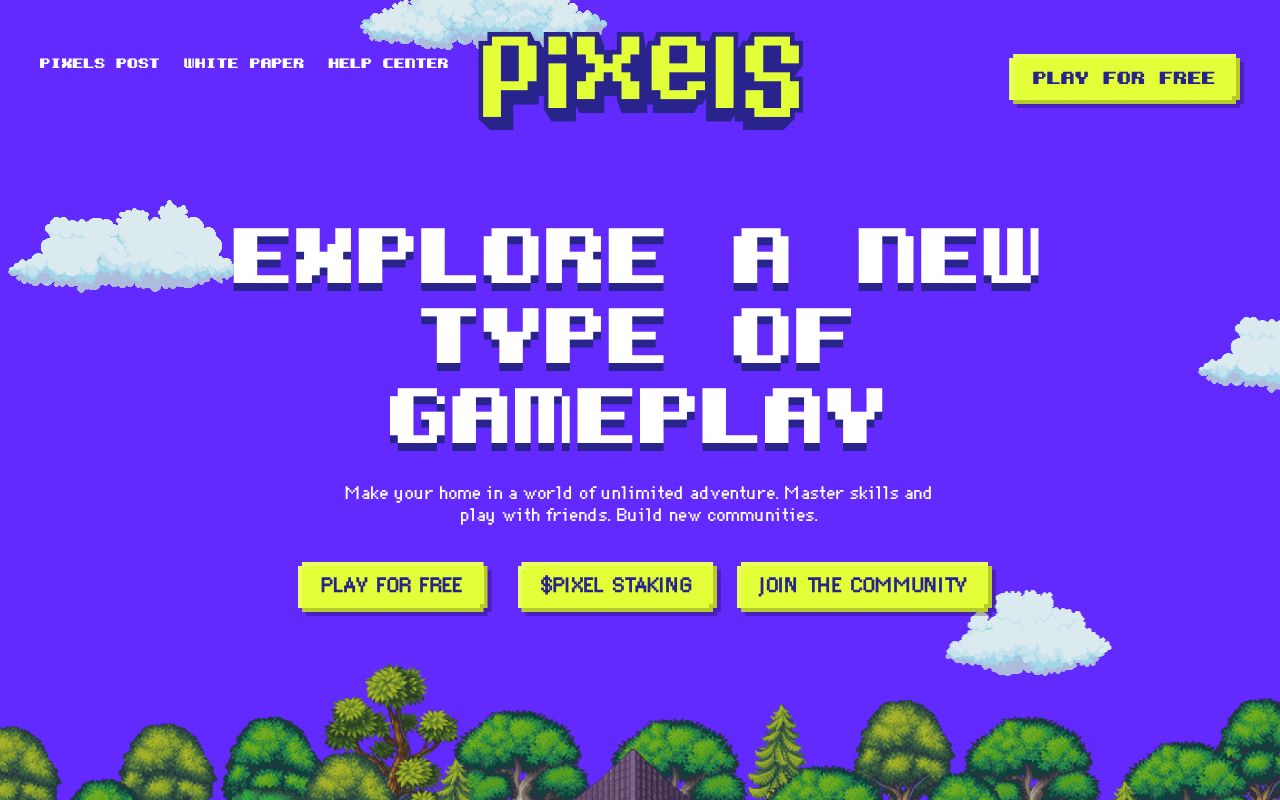
Top 5 Best Tollan Worlds Alternatives of 2026
Cross Chain Worlds of 2026
Tollan Worlds has become an exciting name for players who want more than a simple game loop. Many users now expect real ownership, open economies, and assets that can move outside the game. That is why this category matters: it blends gameplay with digital property, so time spent playing can also build a collection, a profile, or even a small on-chain business.
The biggest shift is that players are no longer stuck inside closed servers. With truly decentralized ownership, items can be held in your wallet, traded freely, and used across marketplaces. Additionally, modern titles are adding Blockchain Features like crafting with on-chain proofs, player-driven markets, and token-gated events that reward skill and community participation. This makes progression feel more fair because value is not only controlled by a publisher.
Notably, newer projects in 2025 and 2026 are focusing on smoother onboarding. Many now support gas-light transactions, login options that feel normal for beginners, and simple trading tools that do not require advanced crypto knowledge. Consequently, the best alternatives to Tollan Worlds are not just clones, they are building better player economies, stronger social systems, and more flexible ownership models.
If you like the idea of collectible gear, world exploration, guild play, and crafting economies, there are several newer options worth your time. Here are the 5 best Tollan Worlds alternatives currently leading the industry.
Best Tollan Worlds Alternatives
1. Pixels – Cozy Farming With Real Economy

Pixels topping our list as the most accessible Web3 life-sim alternative with a strong player economy. This social farming game operates with tradable assets and a market loop that rewards consistent play. Notably, Pixels excels in community events, land-based progression, and a marketplace that is straightforward even for beginners.
What sets Pixels apart is its economy-first design without feeling like a finance app. Specifically, crafting and resource loops tie into item demand. Additionally, land and upgrades create long-term goals that feel natural. Moreover, frequent updates keep the world active. Consequently, with simple onboarding and clear progression, Pixels delivers a chill alternative that still respects ownership.
Pros:
- Beginner-friendly and easy to understand
- Strong marketplace and steady content updates
Cons:
- More cozy than combat-focused
- Progress can feel grindy without planning
2. Kuroro Beasts – Creature Battling With On-Chain Collection

Kuroro Beasts topping our list as the most collectible-driven monster battler in this niche. This creature game operates with tradable beasts and progression systems designed for long-term collecting. Notably, Kuroro Beasts excels in team building, upgrade paths, and the “gotta collect” feeling that fits Web3 ownership perfectly.
What sets Kuroro Beasts apart is its focus on identity through your roster. Specifically, your collection becomes your strategy toolkit. Additionally, trading and scarcity bring real weight to decisions. Moreover, the art direction and branding keep it memorable without needing AAA budgets. Consequently, with strong collect-and-battle hooks, Kuroro Beasts delivers a sharp alternative for players who want ownership with gameplay depth.
Pros:
- Strong collecting and team strategy loop
- Tradable assets that actually matter to gameplay
Cons:
- Competitive meta can shift fast
- Best experience may require active market awareness
3. Seraph – Dark ARPG Grinding With Loot Value

Seraph topping our list as the best action-heavy option for players who like loot grinding. This ARPG operates with item progression and trade loops that resemble classic dungeon crawling. Notably, Seraph excels in combat pacing, gear variety, and that repeatable “one more run” feeling that keeps players engaged.
What sets Seraph apart is its loot-forward design paired with Blockchain Features that support ownership and trading. Specifically, gear acquisition feels meaningful when items can retain value. Additionally, the game loop supports long-term power growth. Moreover, community play and builds encourage experimentation. Consequently, with satisfying action and tradable progression, Seraph delivers a more intense alternative to exploration-focused world games.
Pros:
- Fast combat and strong loot chase
- Build variety and replayable runs
Cons:
- Can be demanding for casual players
- Economy balance depends heavily on updates
4. The Forgotten Runiverse – Fantasy MMO Vibes With Player Ownership
The Forgotten Runiverse topping our list as a community-first fantasy world with MMO-style progression. This online RPG operates with collectible assets and social play that encourages parties, guilds, and long-term goals. Notably, The Forgotten Runiverse excels in world-building, class identity, and a vibe that feels like classic fantasy gaming.
What sets The Forgotten Runiverse apart is how it blends familiar RPG comfort with truly decentralized ownership. Specifically, collectible items and cosmetics can become part of your long-term account value. Additionally, social systems push cooperation instead of solo-only grind. Moreover, events and quests keep players moving across the world. Consequently, with steady progression and social depth, it delivers a strong alternative for world explorers.
Pros:
- Strong fantasy atmosphere and social play
- Ownership adds meaning to long-term collecting
Cons:
- Slower pacing than action-focused games
- Some features depend on ongoing rollout
5. Influence – Strategy Economy Inside a Living Space Sim
Influence topping our list as the smartest pick for players who love systems and planning. This space strategy game operates with resource networks, player coordination, and market decisions that feel like a real economy sandbox. Notably, Influence excels in long-term strategy, player-driven pricing, and the sense that every move has consequences.
What sets Influence apart is its deep economy design with Blockchain Features that support assets and trade. Specifically, your decisions around logistics and production can shape your growth. Additionally, community coordination creates real politics and alliances. Moreover, the market feels organic because players create demand. Consequently, with depth and ownership-driven strategy, Influence delivers a unique alternative to more traditional world exploration games.
Pros:
- Deep strategy and player-driven economy
- Great for planners and long-term builders
Cons:
- Not ideal if you want quick action gameplay
- Learning curve is higher than most
The Tollan Worlds Advantage
These alternatives share clear benefits: real ownership, tradable progression, and gameplay loops shaped by player markets. Additionally, they reduce reliance on closed ecosystems by using decentralized assets that can hold value outside the game. Consequently, this category represents the future because it gives players control, stronger community economies, and more reasons to stay invested long-term.
Comparison Table
| Game | Core Style | Best For |
|---|---|---|
| Pixels | Cozy farming + trading economy | Casual players who still want real ownership |
| Kuroro Beasts | Creature collection + battles | Collectors and competitive team builders |
| Seraph | ARPG dungeon grinding + loot | Action players who want tradable gear |
| The Forgotten Runiverse | Fantasy RPG world + social progression | World explorers and guild-style players |
| Influence | Space strategy + economy simulation | Planners who love markets and logistics |
Note: “Core Style” describes the main gameplay loop, while “Best For” highlights what type of player typically enjoys the game most.