By Admin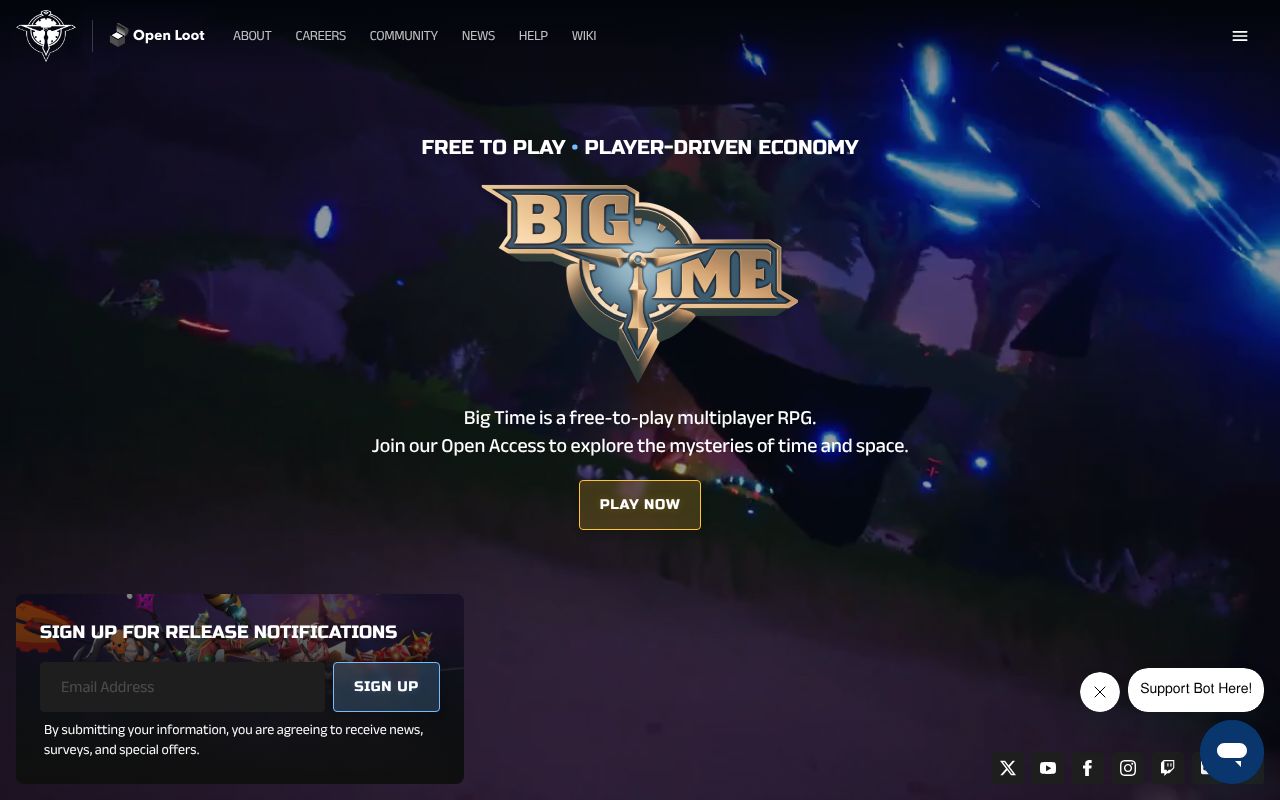
Top 5 Treeverse Alternatives of 2026
Next-Gen Web3 MMORPG Picks for 2026
Treeverse has helped bring fresh attention to Web3 gaming by showing how an online RPG can blend real gameplay with crypto ownership. This category matters because players are tired of grinding for items that stay locked inside one company’s server. With blockchain features, you can earn, trade, and hold certain in-game assets in a way that feels closer to real ownership. Consequently, the best projects in this space are building game-first worlds where tokens and NFTs support the experience instead of replacing it.
Additionally, newer Web3 MMORPG-style games are improving fast in 2025 and 2026. Combat is getting smoother, progression is becoming more balanced, and many teams are focusing on long-term communities rather than quick hype. Notably, the strongest alternatives are designing crafting loops, guild play, and open economies that reward time and skill. Therefore, you get the fun of an MMO while also having the option to own cosmetics, gear, land, or resources on-chain.
Moreover, many players want truly decentralized elements like open marketplaces, player-driven pricing, and asset portability. While not every project is fully decentralized, the direction is clear: gamers want more control, and studios want economies that can live beyond a single update cycle. Specifically, the best Treeverse alternatives aim to keep gameplay engaging while letting ownership and trading stay simple for beginners. Here are the 5 best Treeverse alternatives currently leading the industry.
Reviews and Gameplay Highlights
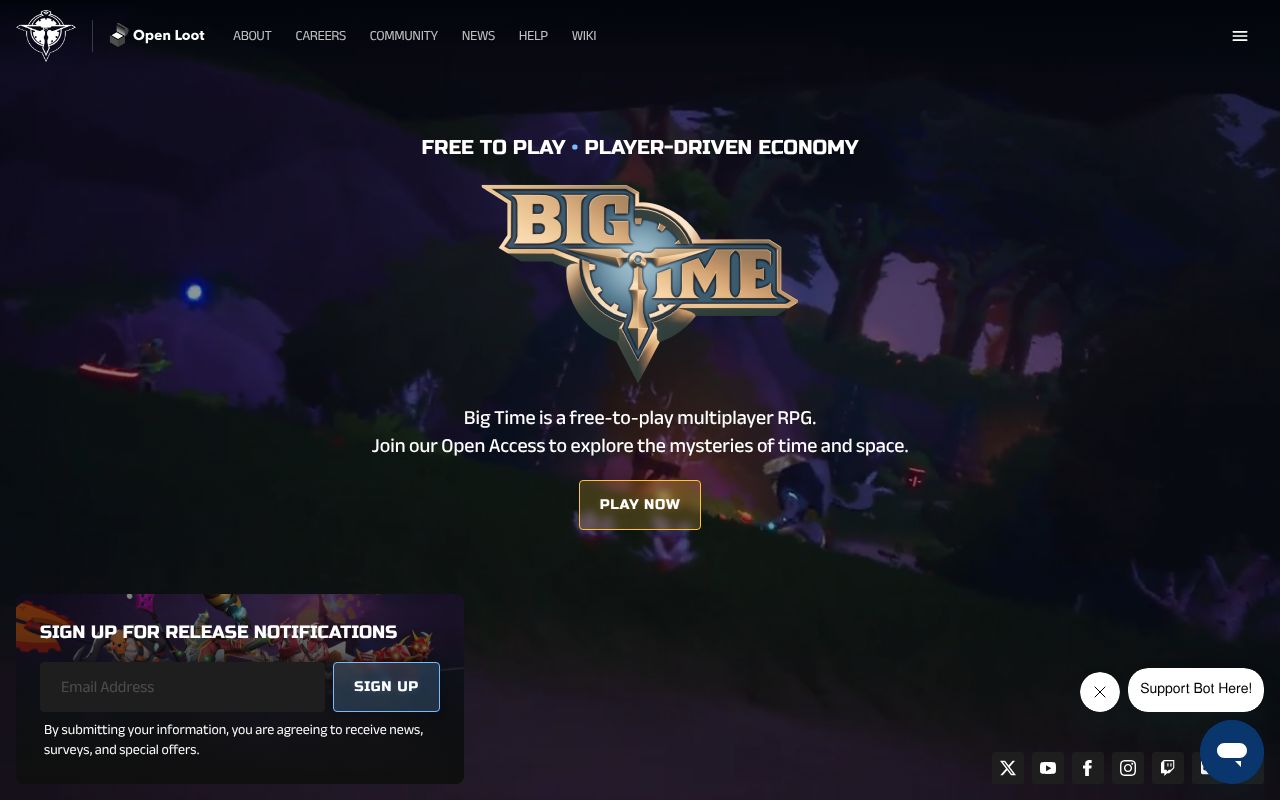
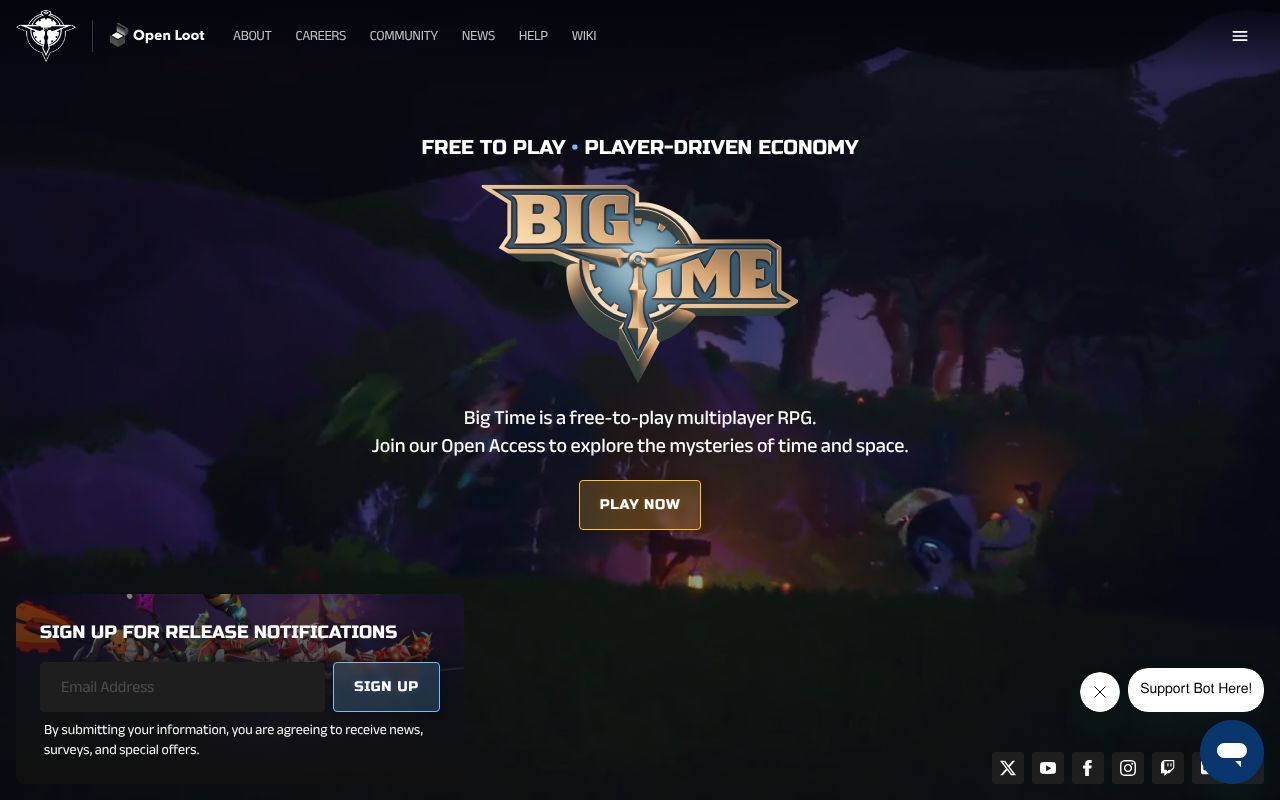
1. Big Time – Fast MMO Action With Real Item Ownership

Big Time tops our list as a polished action-MMO alternative with a strong focus on moment-to-moment combat. This dungeon-driven game operates with instanced missions, co-op play, and loot progression that feels familiar to MMO fans. Notably, Big Time excels in delivering responsive gameplay first, while still supporting optional collectible ownership.
What sets Big Time apart is its blend of cosmetics and utility-driven items tied to an economy that can reward active players. Specifically, its crafting and drop systems create clear goals for grinders. Additionally, the core loop is easy to learn, which helps beginners avoid Web3 confusion. Moreover, regular content updates and social play keep it sticky. Consequently, with fun combat and tradable items, Big Time delivers a strong Treeverse-style experience with better pacing.
Pros: Smooth combat, co-op friendly, strong progression
Cons: Some ownership features may feel secondary for pure MMO fans
2. Chronos – MMO-Style World With Player-Driven Economy
Chronos topping our list as a community-focused Web3 RPG built around resource loops and trading. This sandbox-style game operates with exploration, gathering, and crafting that encourage long sessions and social play. Notably, Chronos excels in building a player-led economy where time spent in the world can translate into meaningful assets.
What sets Chronos apart is its economic depth without forcing you to be a crypto expert. Specifically, players can focus on professions and specialization, which makes guild coordination feel worthwhile. Additionally, the game’s design encourages trading and cooperation instead of solo-only farming. Moreover, the world structure supports repeatable activities that make progression steady. Consequently, with a strong economy backbone, Chronos delivers an MMO alternative that feels built for long-term play.
Pros: Strong crafting loop, social economy, good long-term goals
Cons: Slower pace may not fit players who want constant action
3. Sidus Heroes – Sci‑Fi RPG Progression With Collectible Value

Sidus Heroes topping our list as a sci‑fi RPG option that mixes character growth with digital ownership. This game operates with progression systems where builds, upgrades, and collectible-driven features play a central role. Notably, Sidus Heroes excels in theme and identity, giving players a clear universe to grind in.
What sets Sidus Heroes apart is its structured approach to on-chain collectibles and long-term character progression. Specifically, it offers a clear sense of direction for players who like planned upgrades. Additionally, the setting stands out from fantasy-heavy MMORPG competitors. Moreover, it can appeal to players who enjoy collecting and optimizing more than pure twitch combat. Consequently, with consistent progression and tradable assets, Sidus Heroes delivers a solid alternative for Web3 RPG fans.
Pros: Strong sci‑fi theme, clear progression paths, collectible depth
Cons: May feel more progression-focused than exploration-focused
4. Crypto Unicorns – Casual MMO-Style Systems With Big Community Energy
Crypto Unicorns topping our list as a lighter, community-first alternative with MMO-like loops in a more casual package. This game operates with collection, breeding-style mechanics, and evolving activities that stay approachable for new players. Notably, Crypto Unicorns excels in community retention and frequent events that give players reasons to log in.
What sets Crypto Unicorns apart is its playful style paired with real ownership options that do not demand hardcore grinding. Specifically, assets and progression can tie into a broader ecosystem of game modes. Additionally, the entry barrier is often easier than traditional MMORPG systems. Moreover, it appeals to players who like trading, collecting, and social play over strict combat metas. Consequently, with a strong community and simple loops, Crypto Unicorns delivers a friendly Treeverse alternative.
Pros: Beginner-friendly, strong community, frequent events
Cons: Not a traditional combat-heavy MMORPG experience
5. Aurory – RPG Adventure With Competitive Depth
Aurory topping our list as a hybrid RPG alternative that blends adventure themes with deeper strategy elements. This game operates with progression and collection systems that can reward smart planning and long-term play. Notably, Aurory excels in building a recognizable brand and a clean gameplay loop that stays engaging over time.
What sets Aurory apart is its focus on polished user experience and competitive depth. Specifically, it supports players who enjoy optimizing teams, builds, or strategies. Additionally, the game’s structure can feel more curated, which helps reduce confusion for newcomers. Moreover, its ownership layer can support trading and collection without taking over the core loop. Consequently, with strong design and clear progression, Aurory delivers a smart alternative for players who want more strategy than pure MMO roaming.
Pros: Strategy depth, clean UX, strong progression
Cons: Less “open world MMO” feeling than some Treeverse-style games
The Treeverse Advantage
Treeverse-style games push a future where gameplay comes first, while ownership stays optional and useful. Additionally, these alternatives share common strengths like player economies, collectible value, and progression systems designed for long-term communities. Consequently, this category is growing because it offers fun online worlds plus blockchain features that can give players more control over what they earn.
Comparison Table
| Game | Best For | Core On-Chain Focus |
|---|---|---|
| Big Time | Action combat and co-op dungeon runs | Tradable cosmetics and item economy |
| Chronos | Crafting, gathering, and trading | Player-driven economy and resources |
| Sidus Heroes | Progression and collectible-focused RPG | Collectibles tied to character growth |
| Crypto Unicorns | Casual play with strong community | Collection assets and ecosystem play |
| Aurory | Strategy-heavy RPG progression | Tradable collections supporting gameplay |
Note: “Best For” reflects the main gameplay hook, while “Core On-Chain Focus” summarizes how ownership and trading typically show up in the game’s economy.