By Admin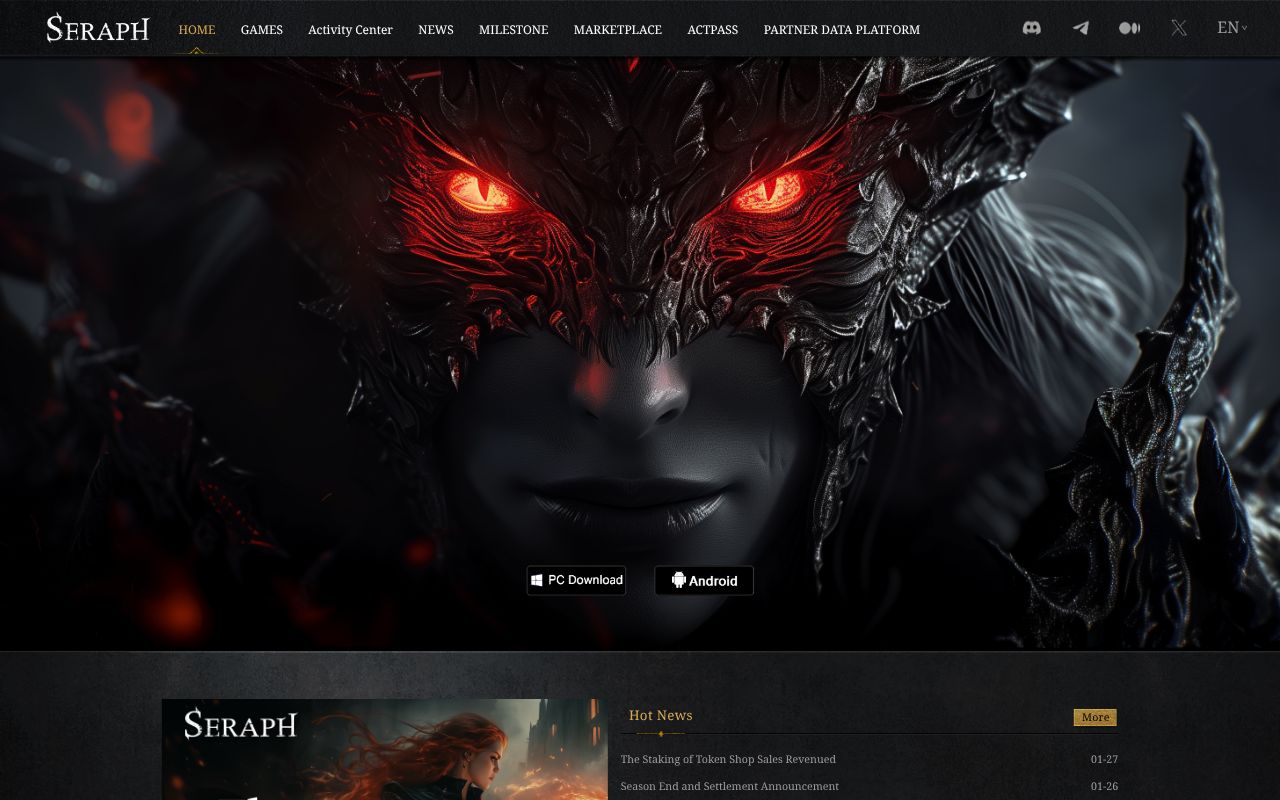
Top 5 Best Ember Sword alternative’s of 2026
Next-Gen Web3 MMORPG Picks for 2026
The Ember Sword idea is exciting because it mixes MMORPG progression with Blockchain Features that let players truly own items instead of renting them from a publisher. In normal games, your skins, gear, and characters can disappear if a server shuts down or if rules change. In Web3 games, the goal is different: you can hold assets in your own wallet, trade them freely, and sometimes even use them across marketplaces without asking permission.
That said, not every blockchain game is built the same. Some focus on fair PvP and skill-based combat, while others lean into crafting economies, guild ownership, or land-based progression. Additionally, many newer titles are choosing lighter on-chain designs to keep gameplay smooth, while still using tokenization for ownership and trading. Consequently, the best Ember Sword alternatives are usually the ones that can balance fun gameplay with an economy that does not feel forced.
Players also care about accessibility. Therefore, solid alternatives should have easy onboarding, reasonable system requirements, and gameplay that still works even if you never buy an NFT. Notably, newer 2025 and 2026 releases are improving at this by offering optional asset ownership and better free-to-play loops. Here are the 5 best Ember Sword alternative’s currently leading the industry.
5 Web3 Games Worth Playing Instead of Ember Sword
1. SERAPH – Dark Action Loot With Real Ownership

SERAPH topping our list as a punchy alternative for players who want loot hunting, builds, and high replay value without waiting around for slow MMO pacing. This action-forward web3 game operates with a gear-driven progression loop that makes every run feel like it matters. Notably, SERAPH excels in fast sessions and item chasing, which is ideal if you like grinding for upgrades.
What sets SERAPH apart is its focus on combat feel first, then ownership second. Specifically, you can pursue rare drops and upgrades while still understanding what your items do in-game. Additionally, the trading layer is designed to support player-driven value instead of confusing gimmicks. Moreover, the overall presentation aims for a darker, more serious style than many bright “cartoony” Web3 worlds. Consequently, with a clear loot loop and ownership options, SERAPH delivers a strong alternative for Ember Sword-style progression fans.
Pros: Smooth action pacing, satisfying loot progression, ownership layer feels optional
Cons: Less “traditional MMO” social roleplay, darker tone may not fit everyone
2. Castile – Tactical Fantasy With Player Economy Hooks
Castile topping our list as a smart pick for players who like strategy, team planning, and meaningful character choices. This tactical web3 game operates around structured encounters and progression that rewards careful decisions. Notably, Castile excels in “think-before-you-move” gameplay, which can feel refreshing if you are tired of button-mashing.
What sets Castile apart is its approach to economy and ownership through gameplay utility. Specifically, assets are positioned as tools for building stronger teams rather than just cosmetic flex items. Additionally, the pacing makes it easier to play in shorter sessions while still feeling progress. Moreover, the core loop is easier for beginners to understand because you can see direct cause and effect in battles. Consequently, with tactical depth and clear progression, Castile delivers a grounded alternative if you want Ember Sword’s ownership ideas without the full MMO time commitment.
Pros: Tactical combat depth, clear progression, easier to play in short sessions
Cons: Not an open-world MMO, less focus on exploration and gathering
3. Treeverse – Cozy MMORPG Energy With Modern Web3 Features
Treeverse topping our list as a lighter, more approachable alternative for players who want MMO vibes without heavy complexity. This social-first web3 game operates with simple combat and exploration, then layers in collection and progression systems. Notably, Treeverse excels in being easy to jump into, especially if you are new to crypto games.
What sets Treeverse apart is its friendly design that does not force you to care about tokens to have fun. Specifically, it focuses on community play, progression, and collectable ownership that can be optional. Additionally, its style fits players who enjoy relaxed grind, gathering, and building a character over time. Moreover, the game’s identity is closer to a “hang out and progress” MMO than a hardcore PvP arena. Consequently, with accessible gameplay and optional ownership, Treeverse delivers a clean Ember Sword alternative for casual MMO fans.
Pros: Beginner-friendly, strong social feel, optional Web3 elements
Cons: Simpler combat, may feel too casual for hardcore MMO players
4. Space Nation Online – Sci‑Fi MMO Raids With On-Chain Flair
Space Nation Online topping our list as a solid alternative if you want MMO structure but prefer sci‑fi over medieval fantasy. This mission-based web3 game operates around co-op content, progression systems, and group activities that reward coordination. Notably, Space Nation Online excels in organized PvE, which is where many MMO players spend most of their time anyway.
What sets Space Nation Online apart is its attempt to blend familiar MMO instanced gameplay with ownership and tradable value. Specifically, the game leans into teamwork loops like raids and repeatable missions. Additionally, it supports players who want long-term progression without needing to speculate on assets. Moreover, sci‑fi settings can make economies feel different because gear themes and crafting paths vary from fantasy standards. Consequently, with co-op content and MMO goals, Space Nation Online delivers a strong Ember Sword alternative for PvE-first players.
Pros: Co-op and raid-style content, clear MMO structure, sci‑fi setting variety
Cons: Less classic open-world fantasy, progression may feel more instanced than sandbox
5. Sunflower Land – Chill Crafting Economy That Actually Makes Sense
Sunflower Land topping our list as a surprising Ember Sword alternative for players who care more about crafting and economy than combat. This farming and crafting web3 game operates with a resource loop that is easy to understand, then expands into trading and optimization. Notably, Sunflower Land excels in making blockchain ownership feel practical, because items directly connect to what you produce.
What sets Sunflower Land apart is its simplicity and consistency. Specifically, you can focus on building, harvesting, crafting, and upgrading without needing MMO reflexes. Additionally, the economy can feel more “honest” because value comes from time and planning, not just hype. Moreover, it is easier to play in short bursts while still progressing daily. Consequently, with a clean crafting loop and understandable ownership, Sunflower Land delivers a great alternative if your favorite part of Ember Sword was player economy, not battles.
Pros: Simple crafting loop, easy economy onboarding, great for casual daily play
Cons: Not an MMORPG combat experience, slower pace by design
The Ember Sword Alternative Advantage
These Web3 games share key benefits: player ownership, tradable items, and economies that can keep value outside a single server. Additionally, many newer releases are improving onboarding so you can play normally first and explore blockchain features later. Consequently, this category points to the future by giving players more control, more portability, and more ways to progress without being locked into one publisher’s ecosystem.
Comparison Table
| Game | Best For | Core Cost Feel |
|---|---|---|
| SERAPH | Action loot grinding and item progression | Low barrier, ownership optional depending on playstyle |
| Castile | Tactical battles and structured progression | Typically lighter spending pressure due to strategy focus |
| Treeverse | Casual MMO vibes, social play, collecting | Free-to-start feel, assets are mostly optional |
| Space Nation Online | Co-op missions and raid-style PvE | Progression-first, monetization varies by content focus |
| Sunflower Land | Crafting, farming, and economy optimization | Time-based progression, low upfront cost feeling |
Note: “Core Cost Feel” is a simplified view based on how strongly each game pushes paid assets versus letting players progress through time, skill, or strategy. Availability, pricing, and ownership mechanics can change as games update.