By Admin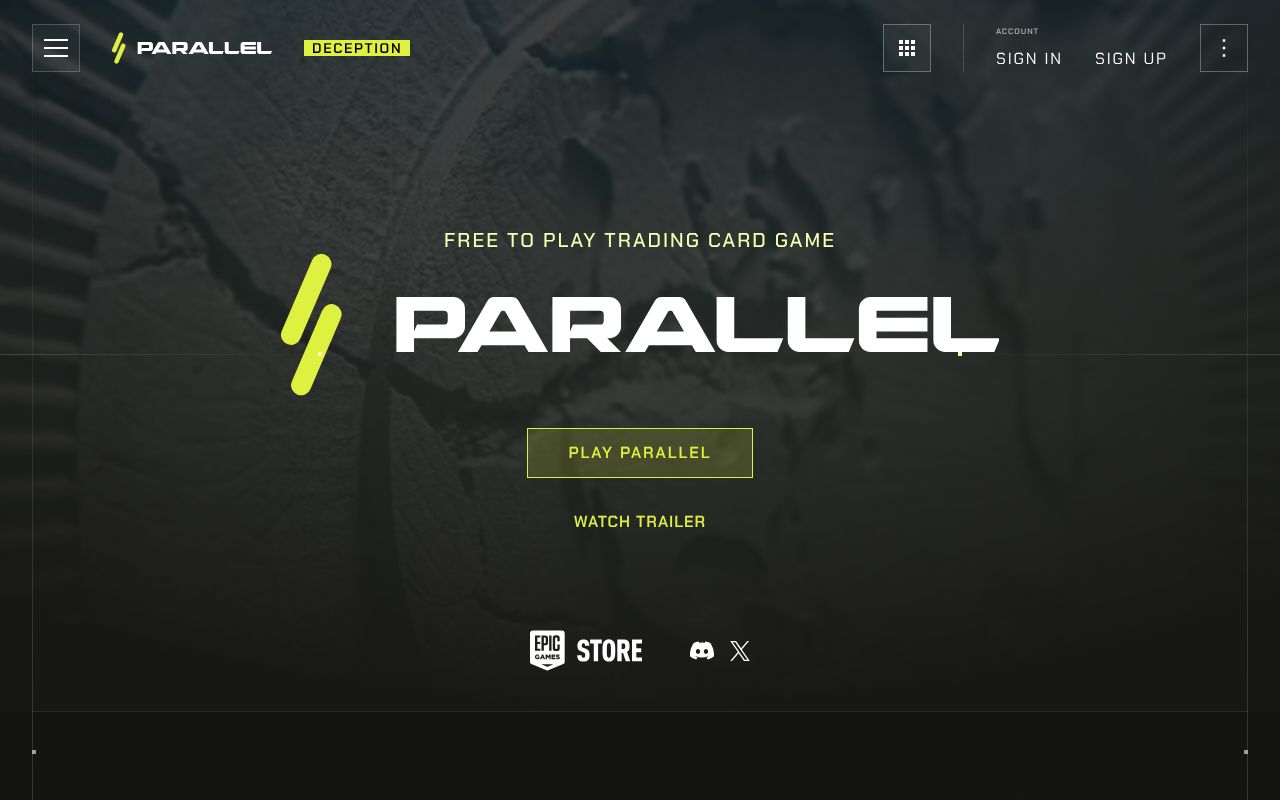
Top 5 Wildcard alternative’s of 2026
Fast Wildcard Picks for 2026 Players
Wildcard is exciting because it mixes competitive gameplay with real ownership, letting players collect, trade, and use assets that can live outside a single game client. This category matters because players are tired of closed economies where time and skill only create value inside one publisher’s servers. With Blockchain Features like on-chain items, verifiable scarcity, and player-run marketplaces, these games can feel more fair and more rewarding.
What players usually want from a Wildcard-style experience is simple: solid gameplay first, then digital ownership that actually works. A good alternative should let you earn or buy assets, use them in-game in a meaningful way, and move them easily without confusing steps. Additionally, many newer projects are building with cleaner UX, cheaper transactions, and better anti-bot design, so progression feels more natural.
The most important part is being truly decentralized in the areas that matter, like ownership proofs, open markets, and transparent item history. Notably, 2025 and 2026 releases have improved a lot by focusing on fun loops, quick matches, and social play, instead of forcing players into complicated DeFi screens. Therefore, if you like the idea of Wildcard but want different combat styles, economies, or platforms, you have real options now.
Here are the 5 best Wildcard alternative’s currently leading the industry.
Best Wildcard alternative’s to Play in 2026
1. Parallel – Strategy Card Battles With Real Ownership

Parallel topping our list as the most polished choice for players who want tactical depth with collectible value. This strategy card game operates with a strong competitive focus and a clear path from collecting to battling. Notably, Parallel excels in match-to-match decision making, so you are not just grinding, you are outplaying.
What sets Parallel apart is its tight gameplay loop and serious competitive vibe. Specifically, the faction system gives decks clear identities that feel different to pilot. Additionally, the collectibles side actually supports the game, instead of distracting from it. Moreover, the community and tournament angle makes wins feel meaningful. Consequently, with focused card design and tradable assets, Parallel delivers a clean, skill-based crypto game experience.
Pros (green)
– Strong competitive gameplay
– Collectibles feel useful, not gimmicky
Contra (black)
– New players may need time to learn deck strategy
2. Shardbound – Tactical Battles With On-Chain Units
Shardbound topping our list as a smart pick for players who like grid-based tactics and unit synergies. This tactical strategy game operates around positioning, timing, and combos, which keeps each fight engaging. Notably, Shardbound excels in making your unit choices matter, so builds feel personal.
What sets Shardbound apart is its tactical pacing mixed with collectible progression. Specifically, matches reward planning over button mashing. Additionally, the ownership layer supports trading and collecting without turning the game into a spreadsheet. Moreover, the art direction makes units easy to read in combat. Consequently, with strategic depth and tradable units, Shardbound delivers a tactical alternative to Wildcard that still feels competitive.
Pros (green)
– Satisfying grid tactics and team building
– Ownership supports collecting and trading
Contra (black)
– Smaller player pools can mean longer matchmaking at times
3. Sabong Saga – Quick Matches With Simple Digital Ownership

Sabong Saga topping our list as a more casual alternative for players who want faster sessions and clearer progression. This game operates with quick match flow and a straightforward economy, so it is easier to start than many crypto games. Notably, Sabong Saga excels in short play bursts, making it good for mobile-first habits.
What sets Sabong Saga apart is its simplicity and easy-to-understand collectibles. Specifically, you can focus on improving your lineup without learning complex systems. Additionally, the community-driven competitive angle keeps matches exciting. Moreover, the trading side is built to be used, not ignored. Consequently, with short sessions and readable mechanics, Sabong Saga delivers a friendly Wildcard-style option for newer players.
Pros (green)
– Easy to learn and fast to play
– Clear progression with tradable assets
Contra (black)
– Less depth than hardcore strategy titles
4. Skyweaver – Smooth Card Gameplay With Player Trading
Skyweaver topping our list as a very accessible card battler if you want clean UI and quick understanding. This card game operates with smooth turn structure and readable effects, so it is easy to jump in and play well. Notably, Skyweaver excels in quality-of-life features that regular gamers expect.
What sets Skyweaver apart is how natural the game feels even if you forget it is a crypto title. Specifically, the interface is fast and clean. Additionally, the trading and ownership side is available without forcing you to think about it every minute. Moreover, the game design supports fair play with smart card balancing. Consequently, with solid card battles and simple asset handling, Skyweaver delivers a practical alternative to Wildcard for card fans.
Pros (green)
– Very beginner-friendly UI and pacing
– Trading is simple and usable
Contra (black)
– Competitive meta can shift quickly as balance updates land
5. The Forgotten Runiverse – MMO Adventure With Player-Owned Loot
The Forgotten Runiverse topping our list as a strong choice for players who prefer exploration over pure matches. This MMO-style adventure game operates with quests, crafting, and item hunting, which makes progression feel like a real journey. Notably, The Forgotten Runiverse excels in loot-driven motivation, so every run can feel valuable.
What sets The Forgotten Runiverse apart is its blend of social MMO gameplay and ownership. Specifically, player-owned items can become meaningful collectibles, not just stats. Additionally, the world-building adds reasons to stay beyond earning. Moreover, the economy is designed around player activity rather than only speculation. Consequently, with long-term progression and tradable loot, The Forgotten Runiverse delivers a different but powerful Wildcard alternative.
Pros (green)
– Strong sense of progression and exploration
– Loot feels rewarding and tradable
Contra (black)
– Not ideal if you only want quick competitive matches
The Wildcard Advantage
These Wildcard alternative’s share the same core benefits: real item ownership, open trading options, and gameplay loops that reward skill or time in a clearer way. Additionally, they push blockchain features that help players keep value outside a single server. Consequently, this category looks like the future because players want games that respect their time and give them control over what they earn.
Comparison Table
| Game | Best For | Session Style |
|---|---|---|
| Parallel | Competitive card strategy | Match-based |
| Shardbound | Grid tactics and team building | Match-based |
| Sabong Saga | Quick casual competitive play | Short sessions |
| Skyweaver | Beginner-friendly card battles | Match-based |
| The Forgotten Runiverse | MMO exploring and loot hunting | Long sessions |
Metrics explained: Best For is the main player type each game fits, while Session Style shows if it is designed for quick matches or longer progression-focused play.